Susan Canney: Elephant Baraka
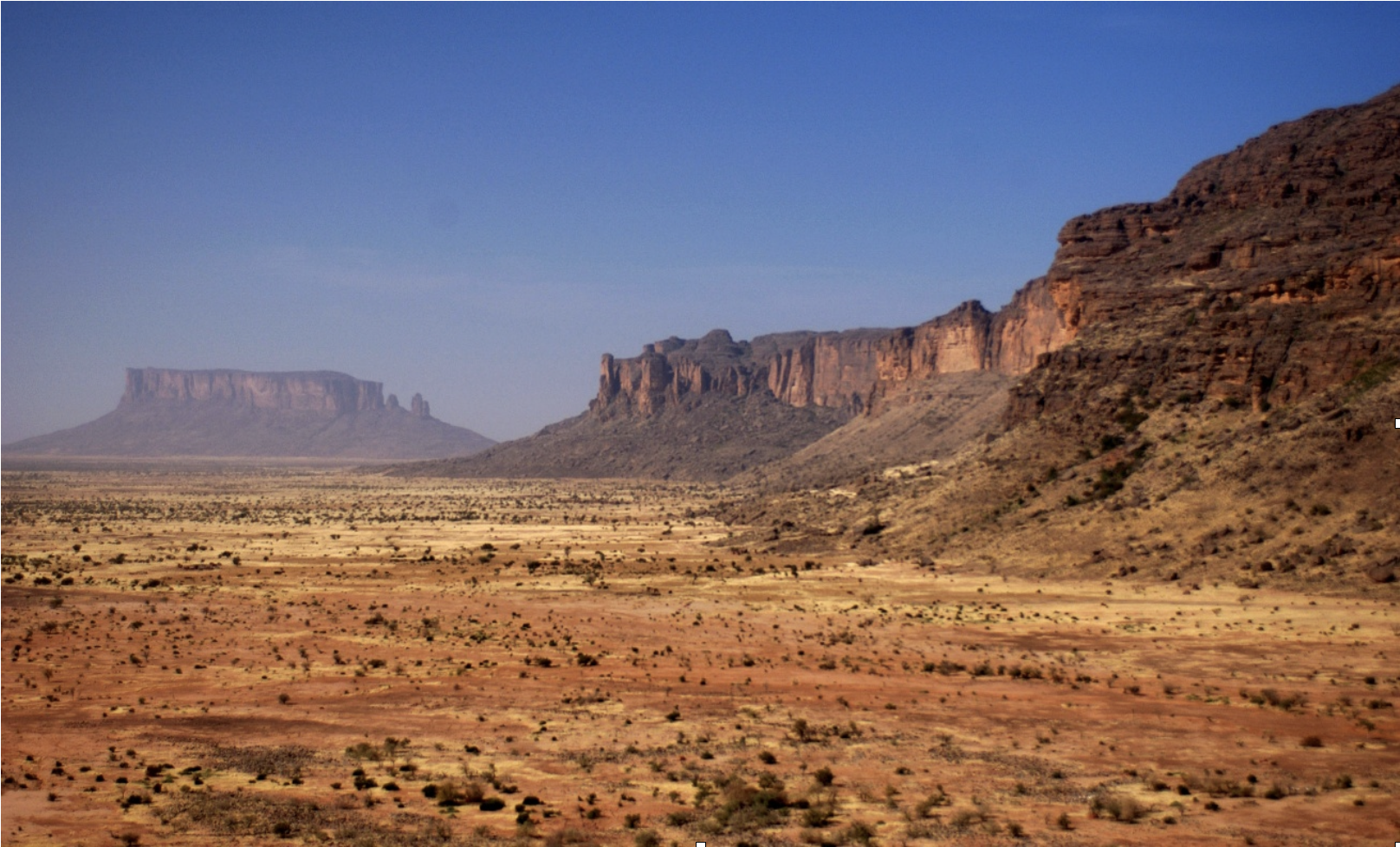
In the beginning when God was creating the world, he called all the animals to a meeting so that he could give them each their particular, special gift that would differentiate them and enable them to survive. The elephant arrived late to the meeting, by which time all the talents had been given out. At this time the elephant was a small animal and he cried out, “What am I to do without a talent?”. The other animals took pity on him and each gave him a piece of their own talent. With each talent he grew in size and cleverness and that is why elephants are so big and intelligent today.
-Creation story from the Gourma region of Mali
Fresh off the 11 hour bus from Bamako, I stumbled out into the searing, hair-dryer heat of central Mali in April that seemed to suck every drop of moisture from my body. It was 2007.
For the previous three years I had been working on using GPS collar data from Mali’s iconic, desert-adapted elephants to understand how this population had survived when all the others around it had disappeared.
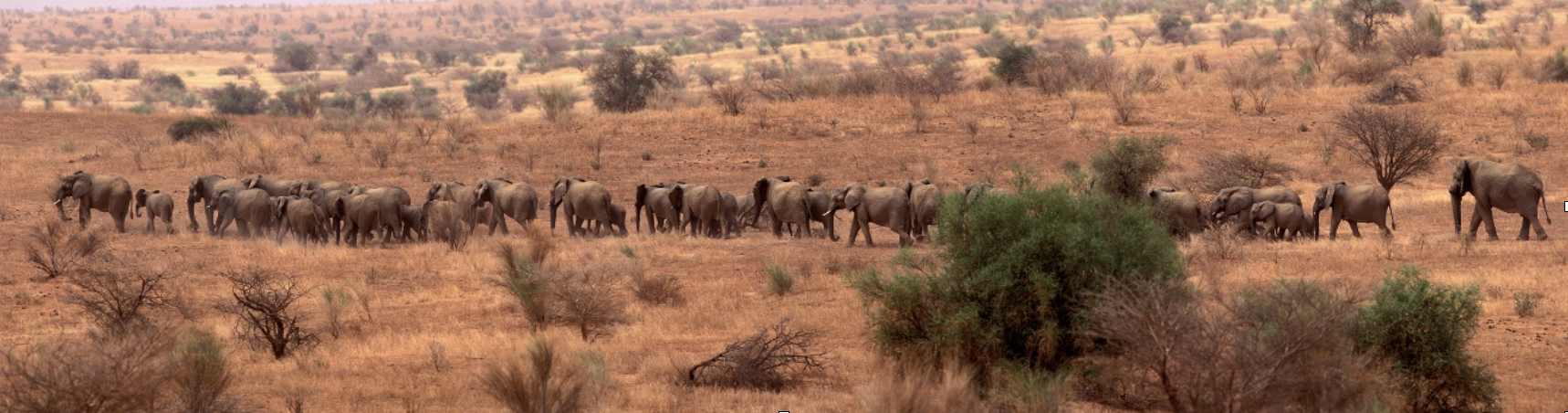
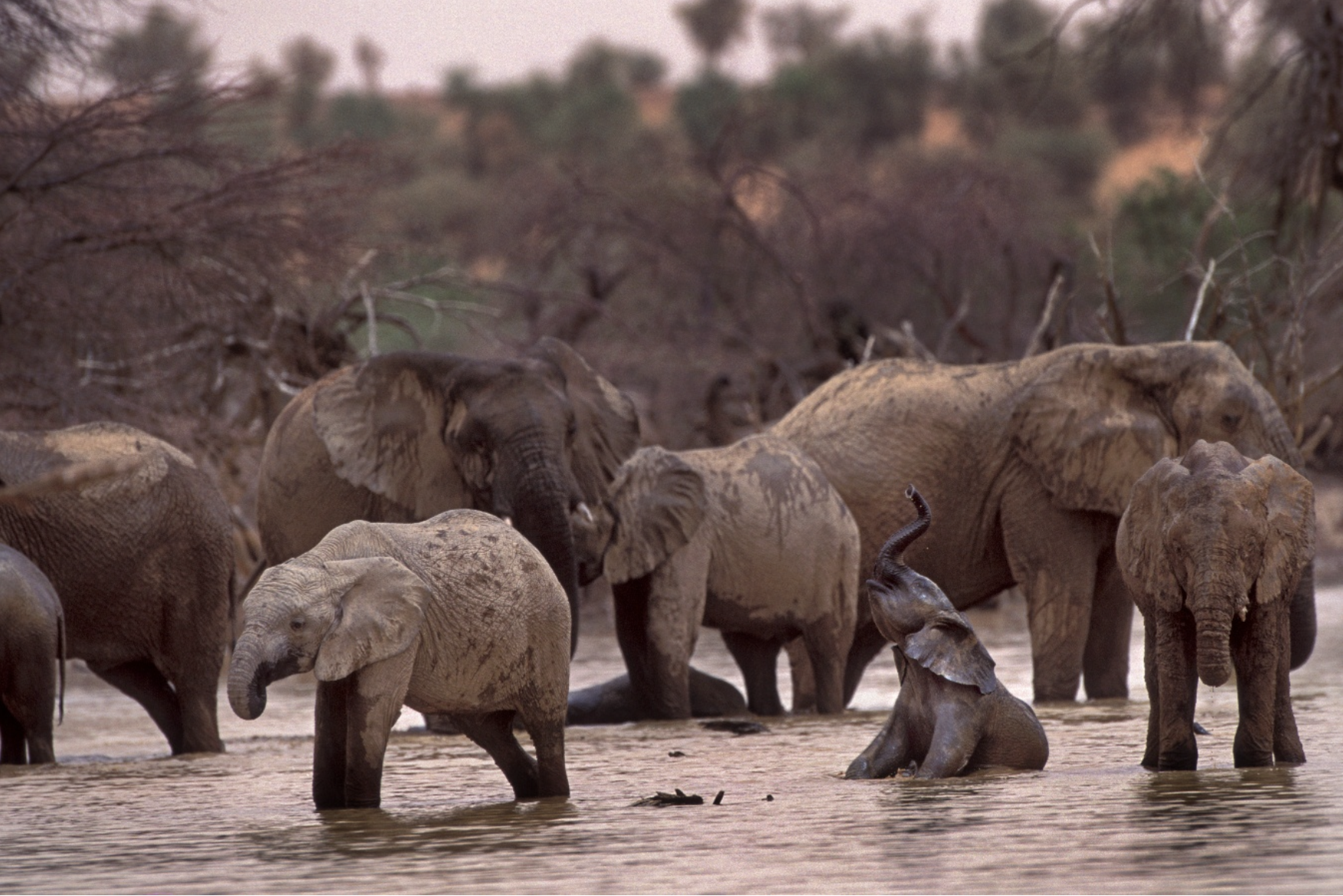
A key was their annual migration - the longest of all elephants -that enabled them to find water in the small ephemeral waterholes in the north during the dry season and food in the diverse vegetation of the south during the wet season, all the while finding refuge in patches of dry, thicket-forest and avoiding humans as much as possible. And there were the human factors. Some helpful, others not so helpful. A pastoralist village chief had prevented the clearance of habitat for agricultural fields in a key pass through the hills; while the relative quiet of the border area with Burkina Faso -which had been the focus of a war between the two countries in the 1980s – provided refuge. Conversely, forest clearance and settlement incentivised by international development funds blocked access to a large perennial lake, which meant the elephants became more reliant on other, more ephemeral, water holes which were also vulnerable to the same fate.
It was, however, not at all clear how best to secure a future for these elephants over 32,000km2 of an open, unprotected, populated landscape of rolling grassy dunes and plains, interspersed with patches of dry forest. Just two government rangers lived in the elephant range, one of whom had a motorbike. The other had no means of transport.
There were suggestions of rehabilitating one part of their range to entice them to stay put and not wander so far. Other suggestions included an African Parks style public-private partnership, but creating a protected area of sufficient size without people seemed unrealistic. And so I was in the Gourma to discuss the scientific findings with local leaders, to understand more about local attitudes to elephants and living with them, and hoping to get some ideas.
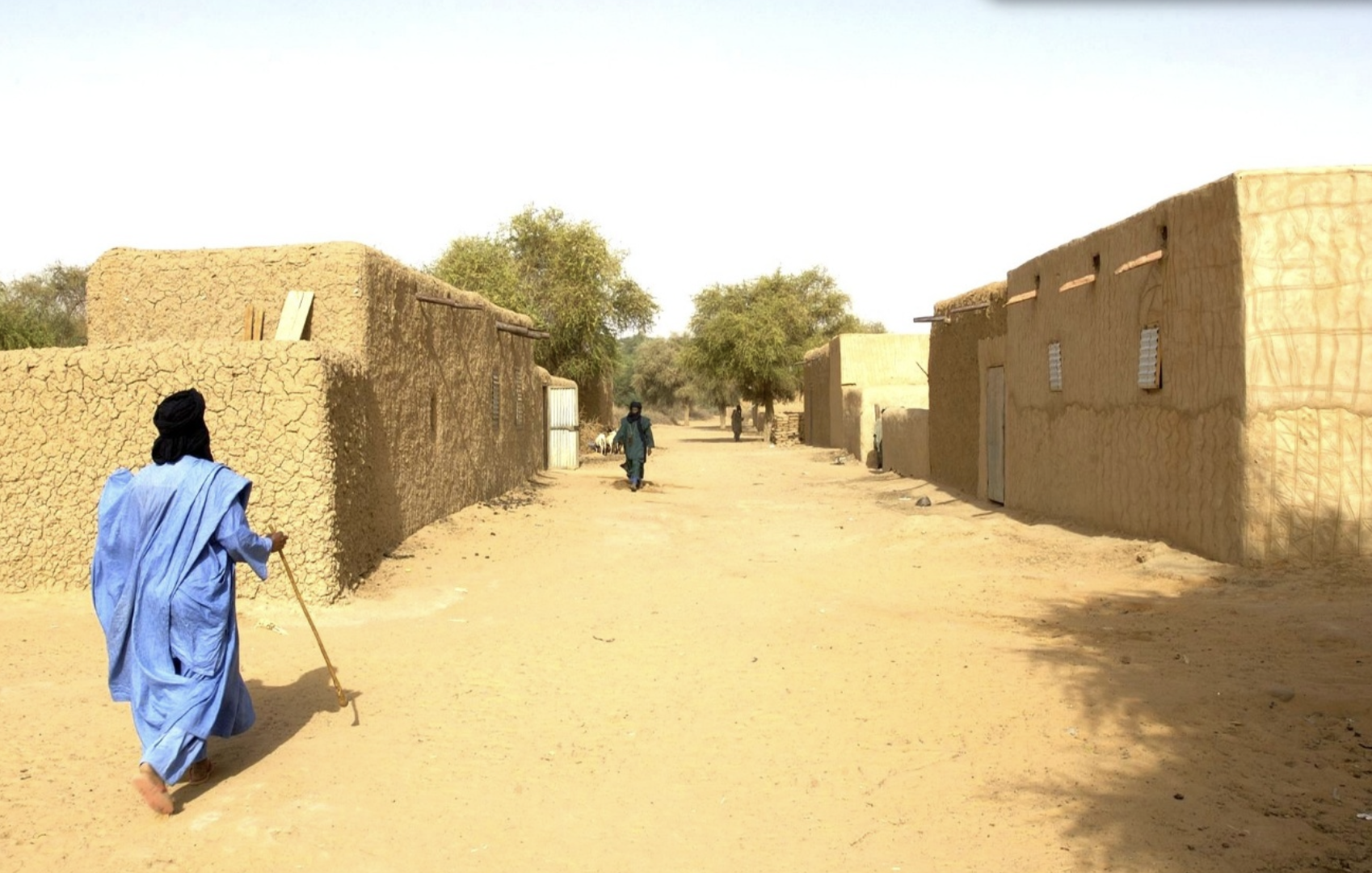
A few days later I was waiting to pay a courtesy visit to the chief of the village of Boni in the scorching quiet of the hot season afternoon, trying to press myself against the wall to take advantage of its sliver of shade. A man dressed in a dusty, blue, cotton robe walked very slowly past, eyeing me curiously. “Bonjour” I said. “Bonjour” he replied, and lingered. We began chatting and I asked him whether he would mind if the elephants disappeared. “Of course” he said, seemingly astonished by the question. “If elephants disappear it means the environment is no longer good for us”. This struck me forcibly as the kind of understanding conservationists try so hard to cultivate back in the industrialised world and yet here it was, articulated so clearly. “So you don’t think that humans and elephants compete for resources?” I ventured. “Elephants are part of this place like we are. Without them the forest will disappear and the place will become dry” was his reply.
Our Western minds might quibble that surely the desiccation and loss of forest causes the elephants to disappear, rather than the other way round but actually it amounts to the same thing. The forces causing the ecosystem degradation also threaten elephant survival.
At this point I was called. It was only subsequently that these ideas were fleshed out, through workshop discussions with local representatives and an attitude survey. Only 18% of those surveyed wouldn’t mind if elephants disappeared. It turned out that there were plenty of ideas about living with elephants, and plenty of stories about them.
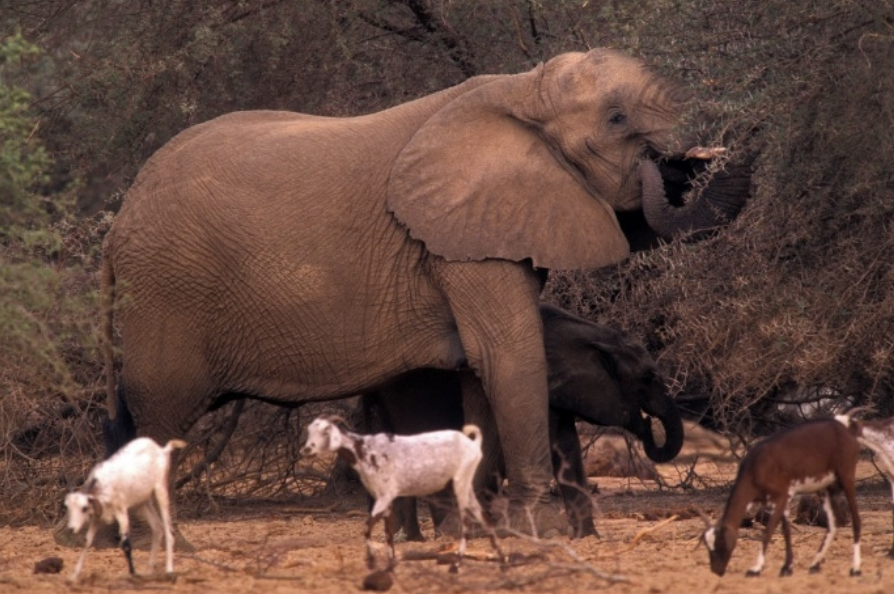
Elephants were regarded locally as an indicator of a healthy ecosystem that was fundamental to local livelihoods. They knew that elephants were instrumental in seed dispersal and forest regeneration. Elephants knocked down inaccessible fruits and seeds from high branches that the women gathered for food and sale. Dung was valued to help conjunctivitis, a widespread problem. And the list went on.
Particularly awe-inspiring for local people were the elephants’ social interactions and their range of emotions, their joy when groups reunite, their apparent care for each other and particularly for their young. Elephants were seen to stand vigil over their dead and cover them with soil and branches. They had even been seen breaking branches to make a causeway to rescue one of their compatriots who was stuck in mud.
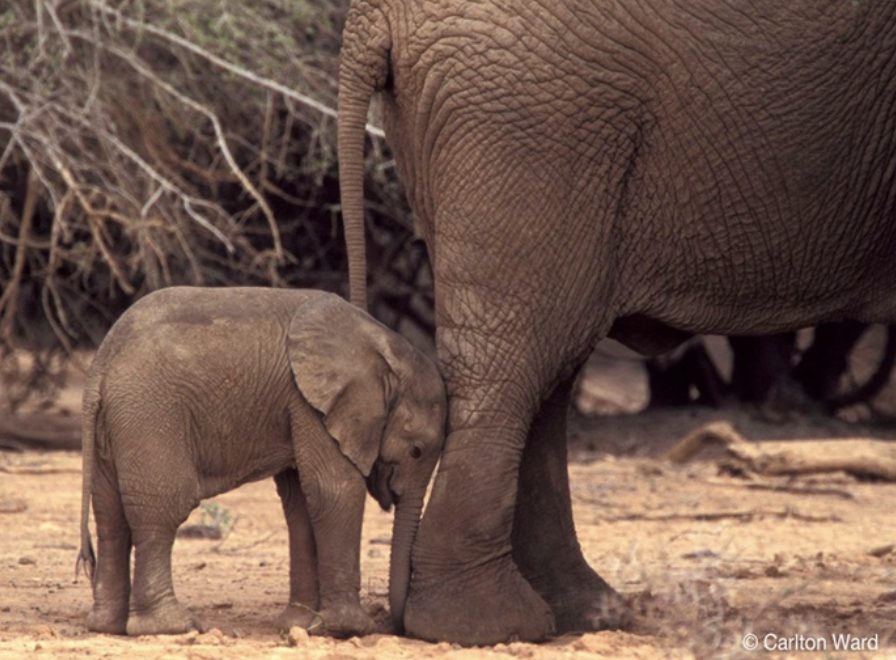
A common sentiment was that every species has a right to exist and that it contributes something to the ecosystem that is unique to it, a notion that was described as being encapsulated in the word baraka or blessing. Each species has its own baraka, and if a species is lost, the ecosystem is irretrievably diminished, and poorer in its ability to sustain life.
This struck me as fertile ground. What seeds could we plant, how should we cultivate them and how could we maintain and even enhance this fertility?