Lower Omo Valley
Ethiopia (SouthWest) 2023
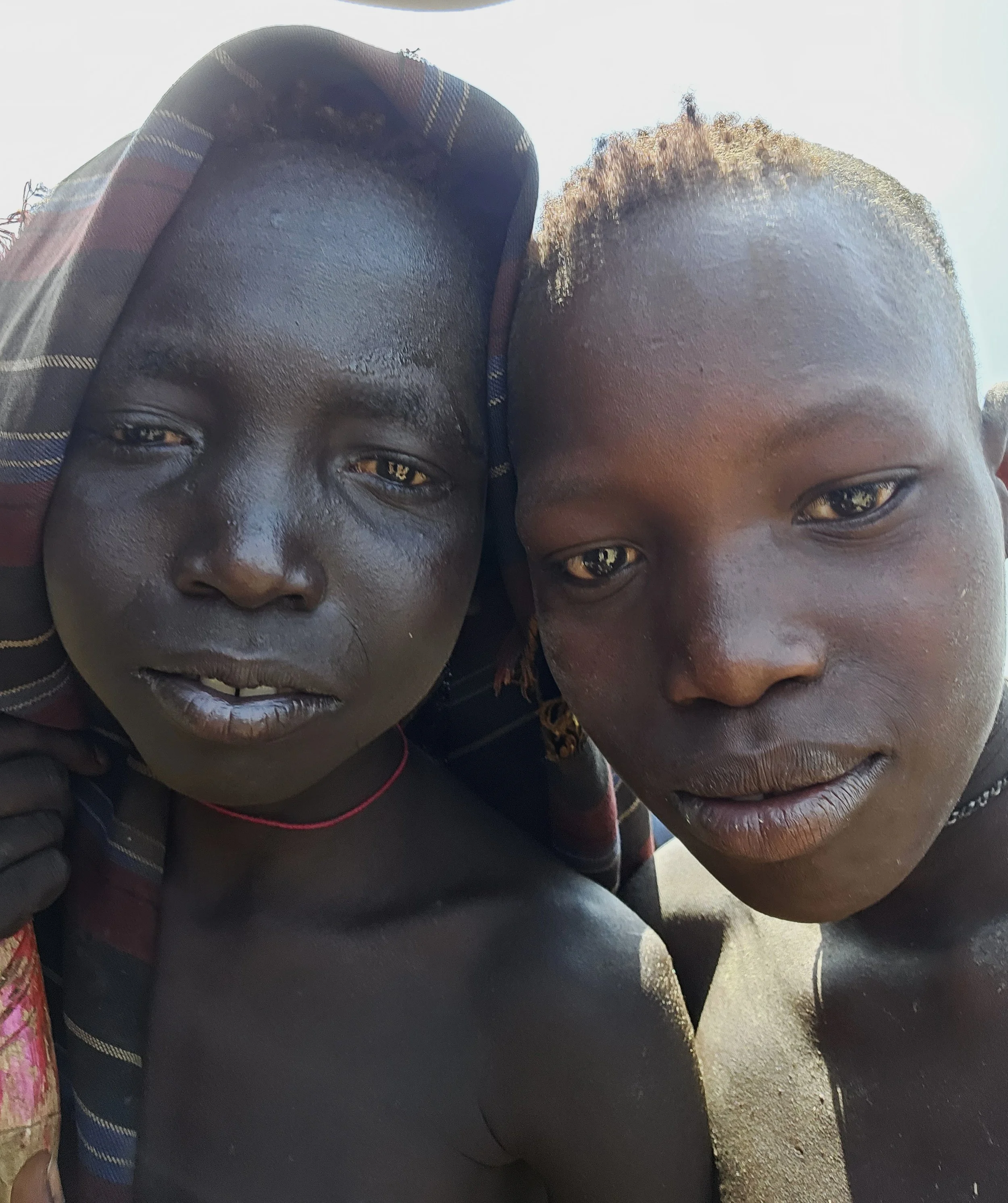
The Mursi People
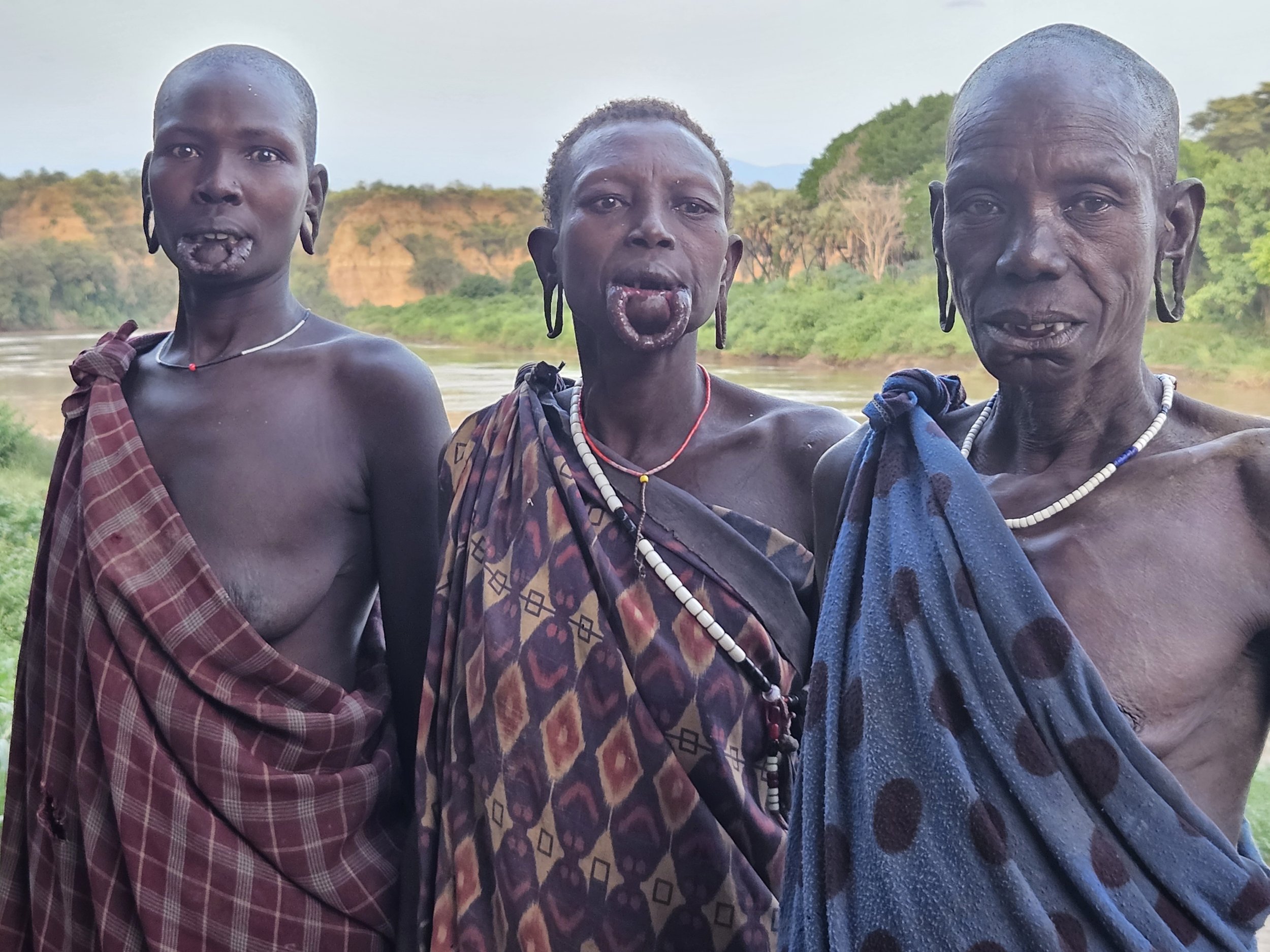
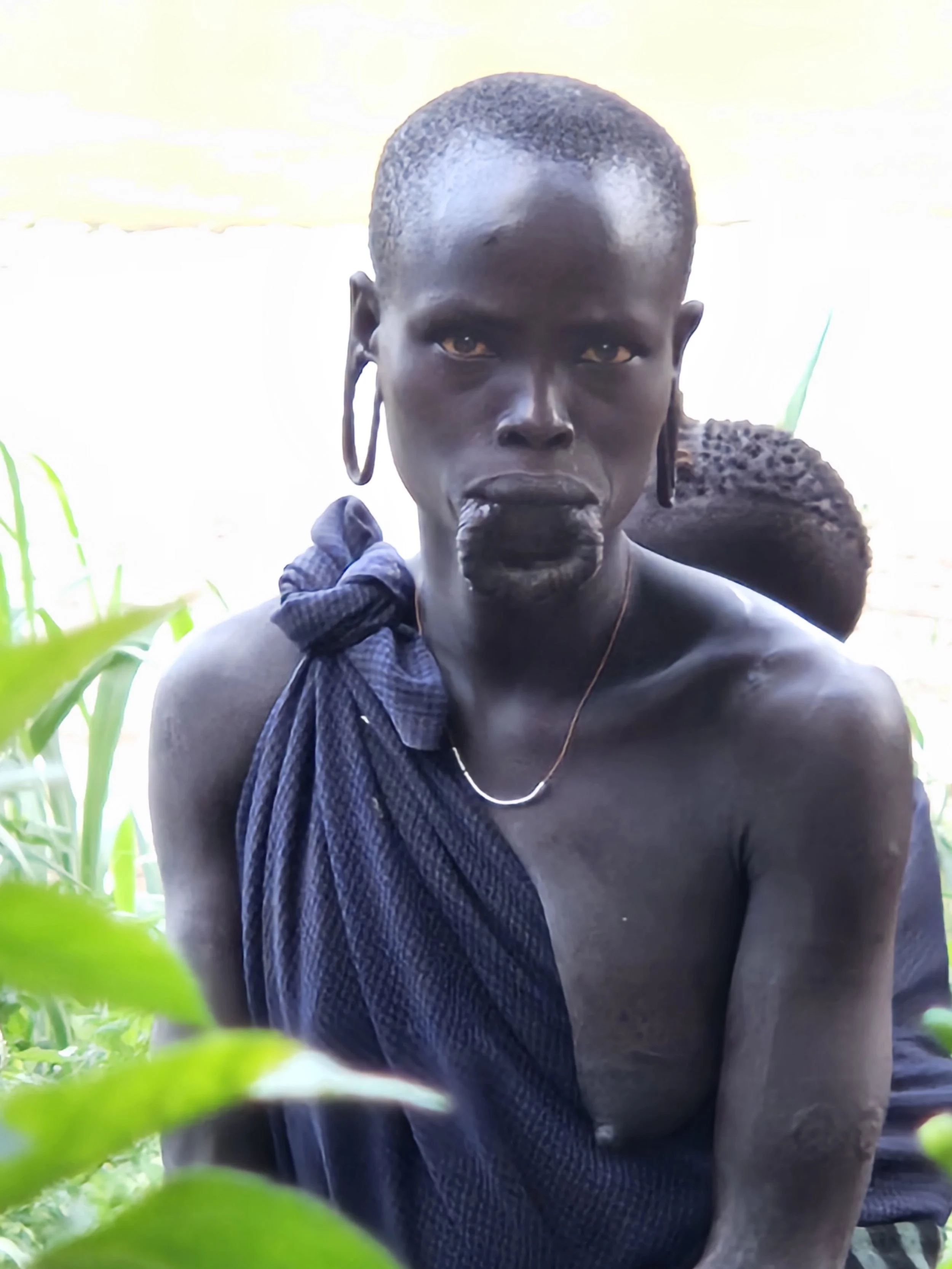
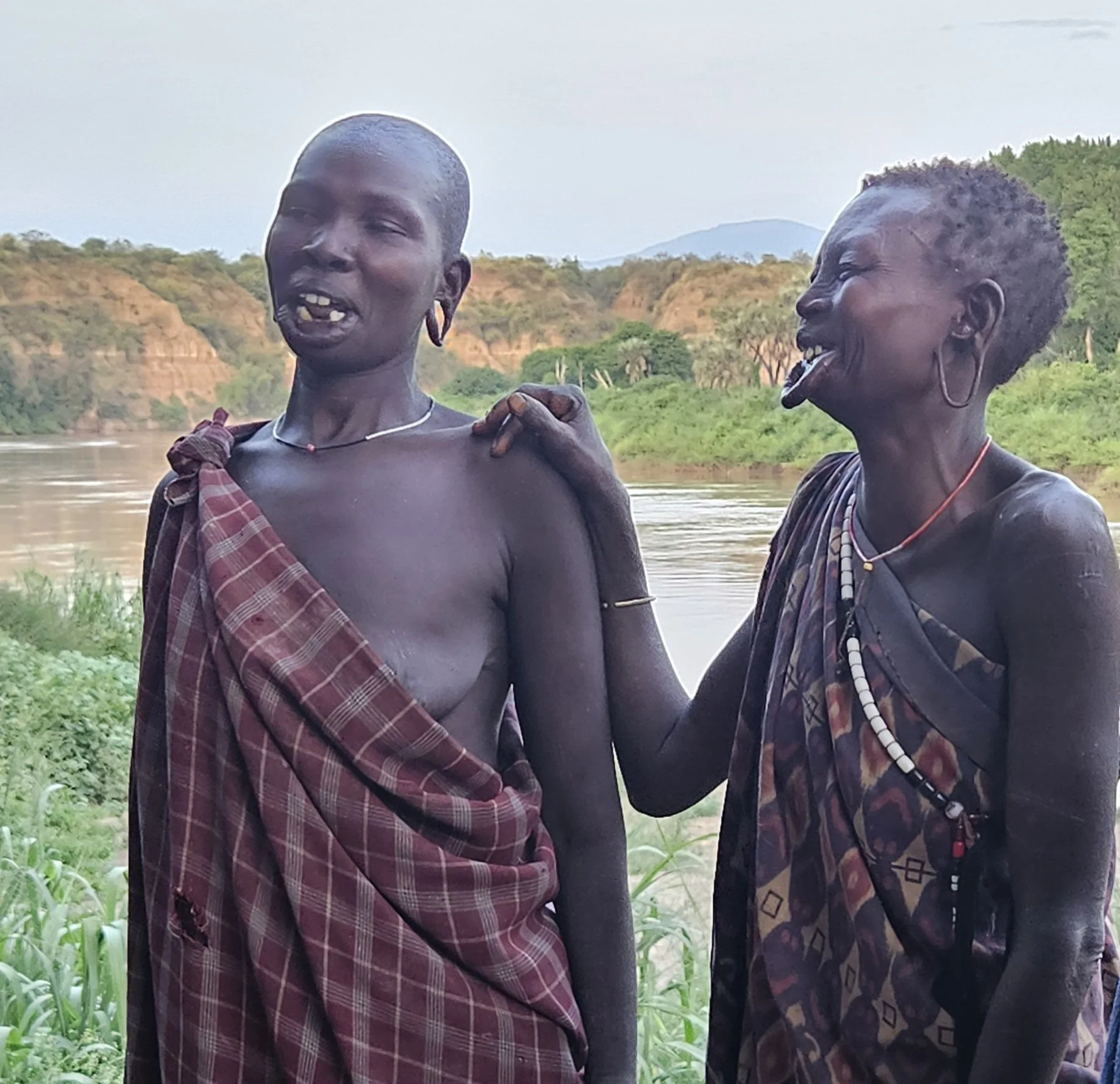
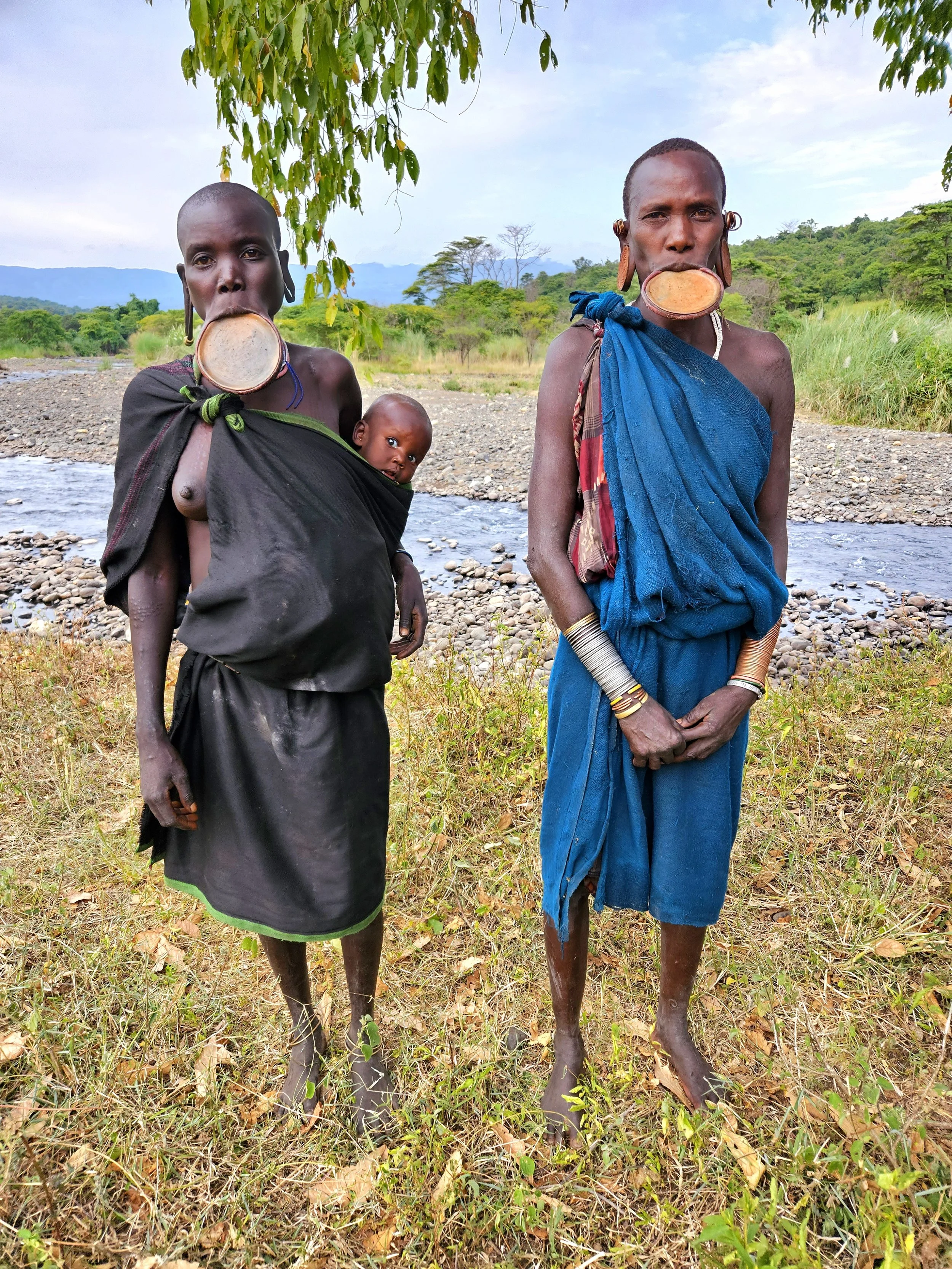
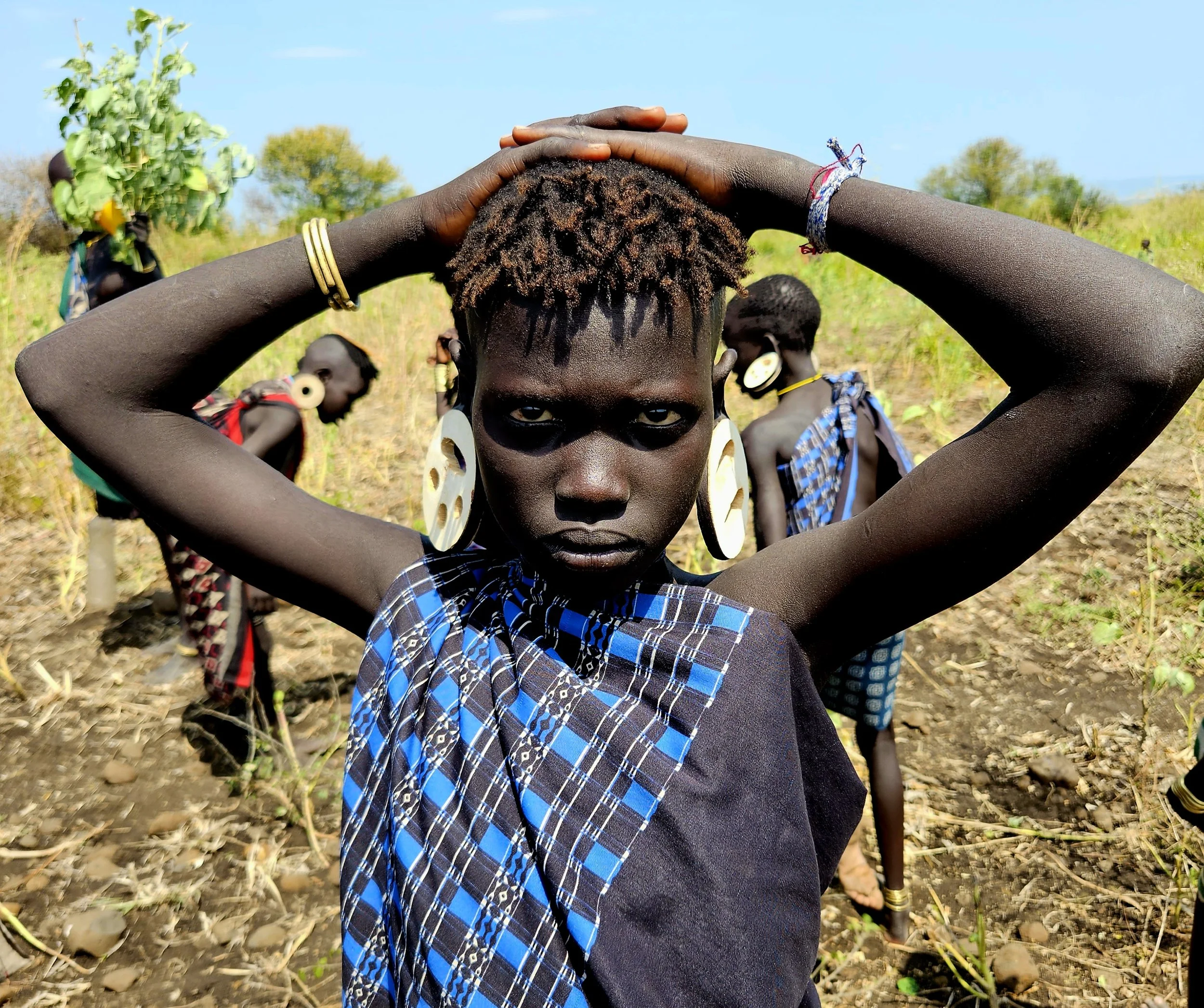
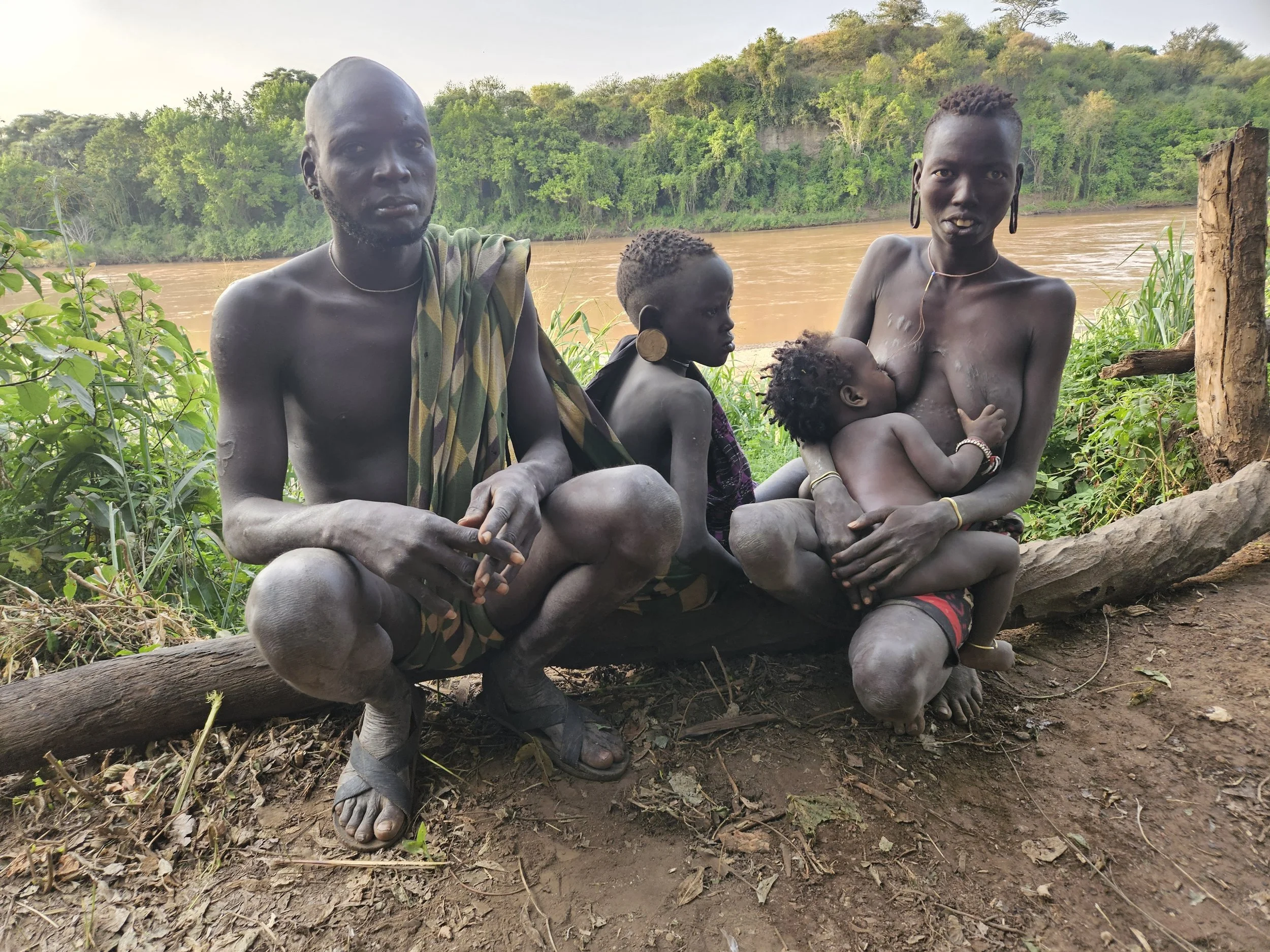
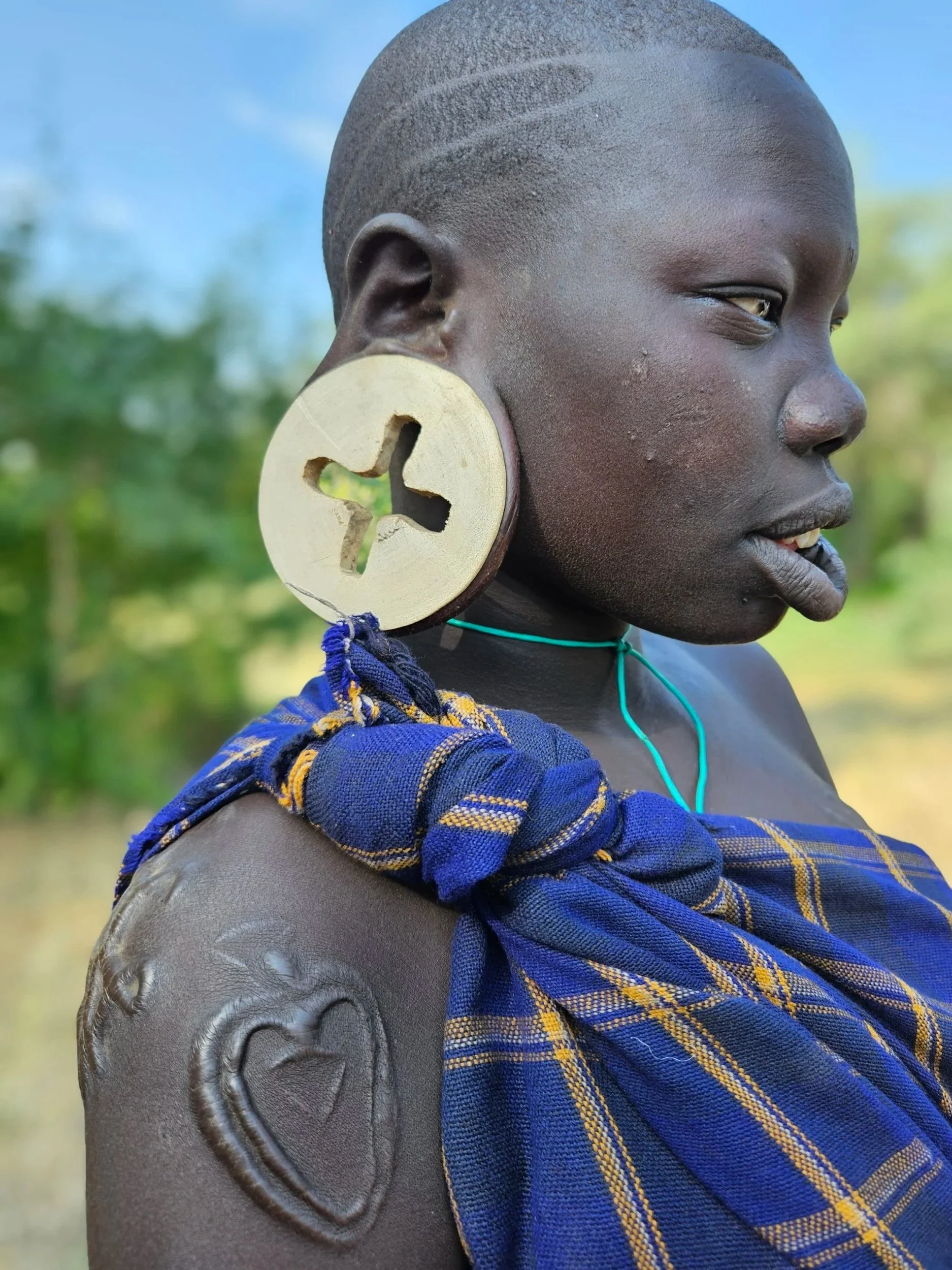
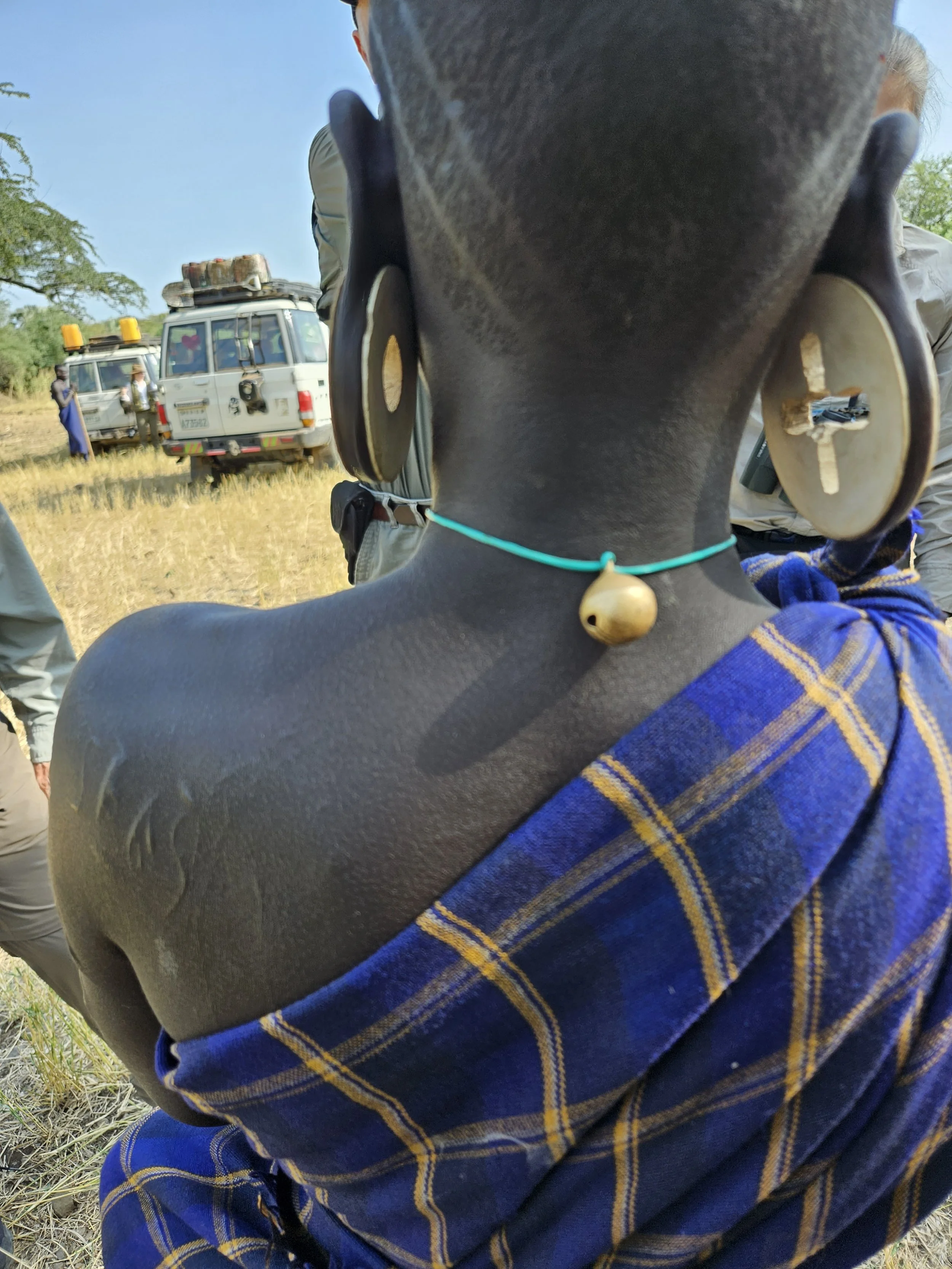
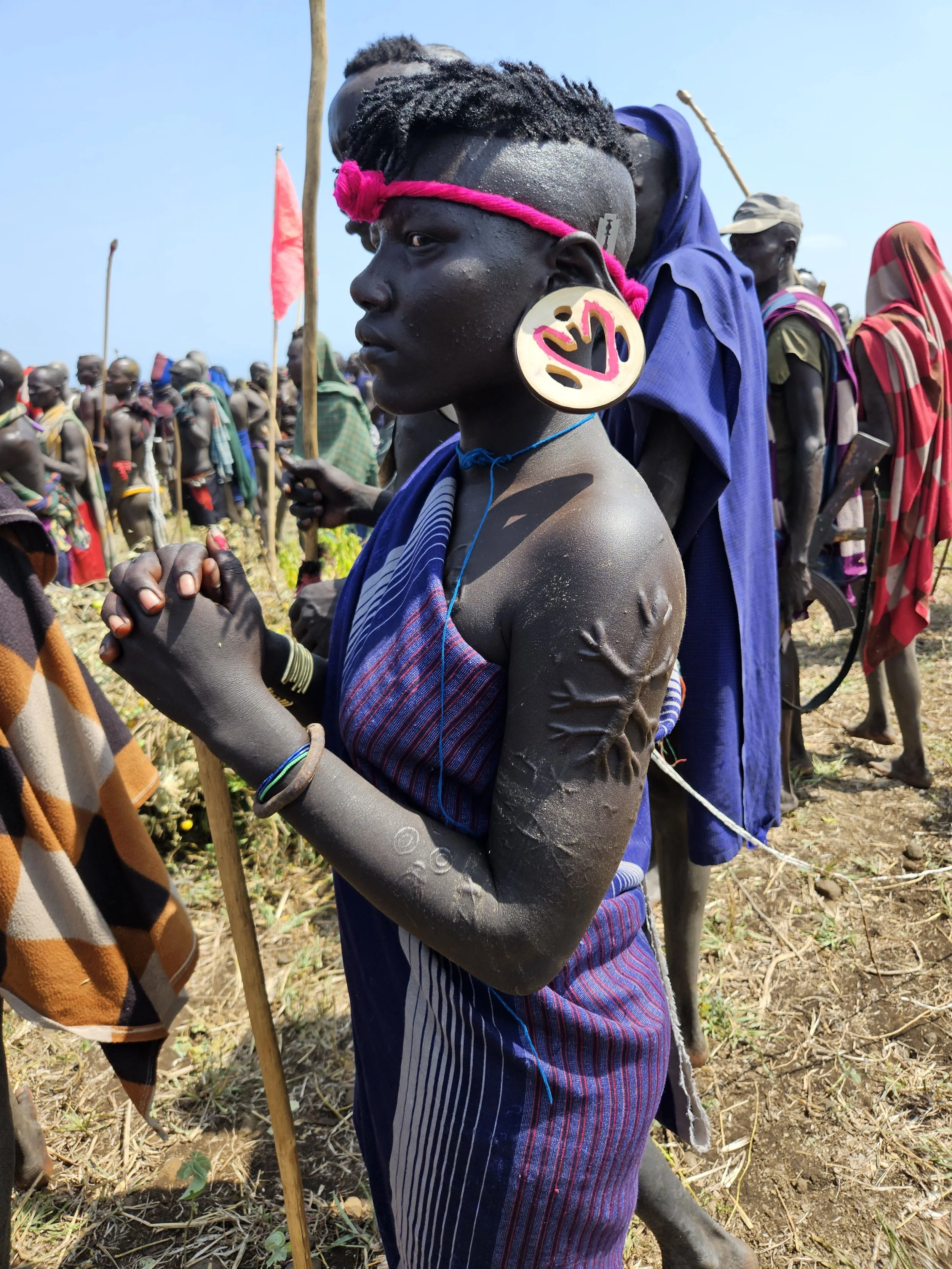
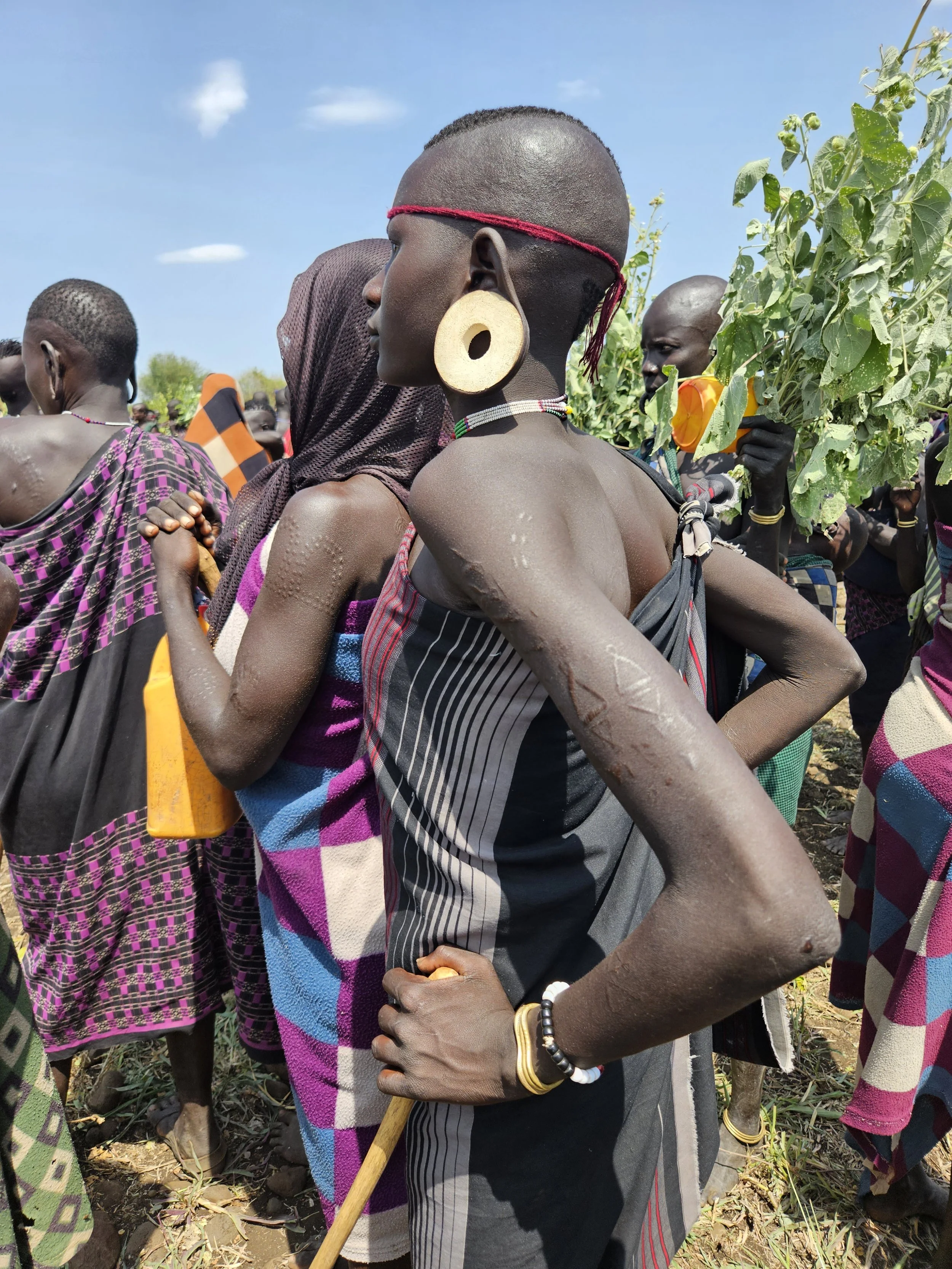
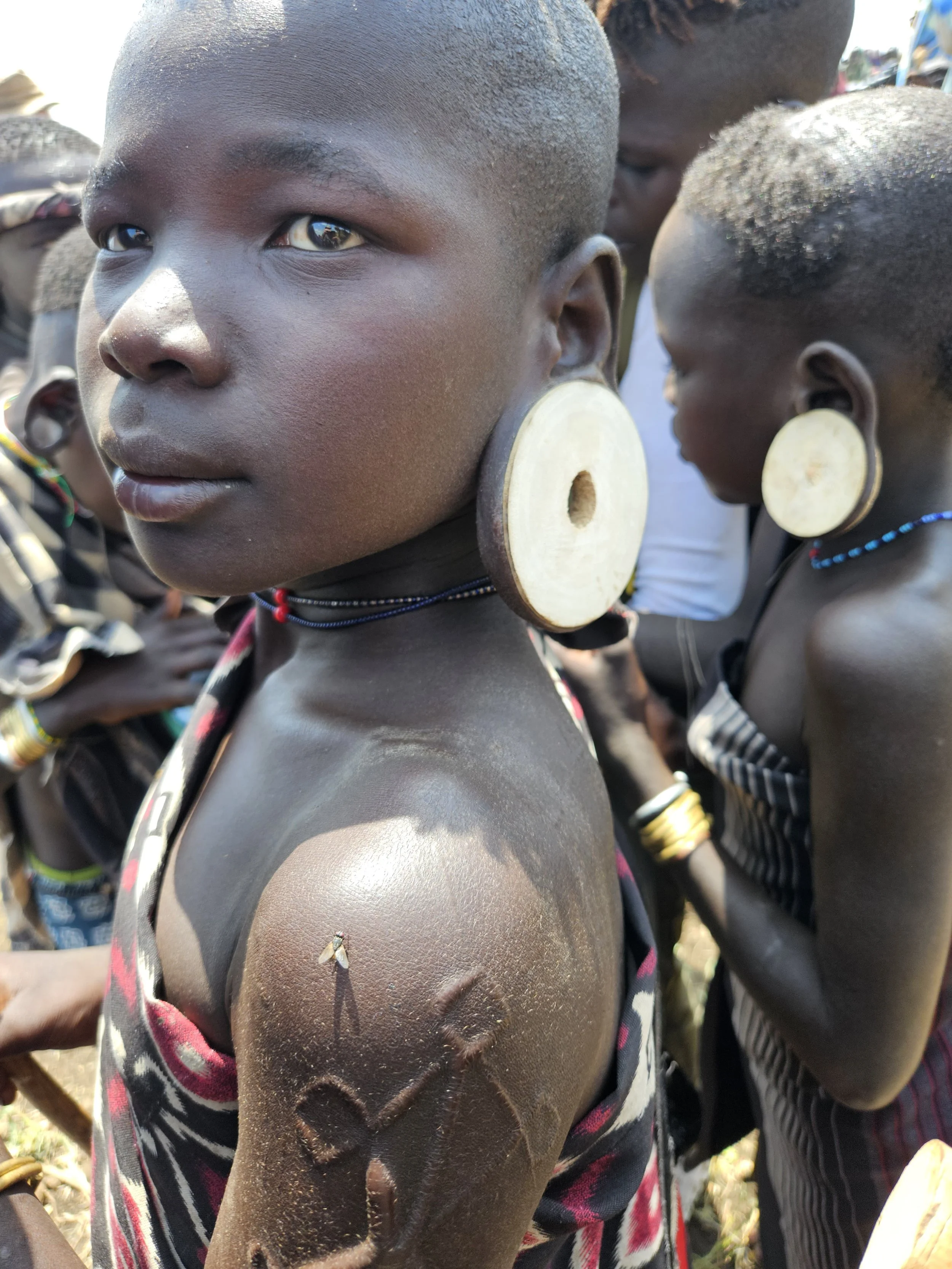
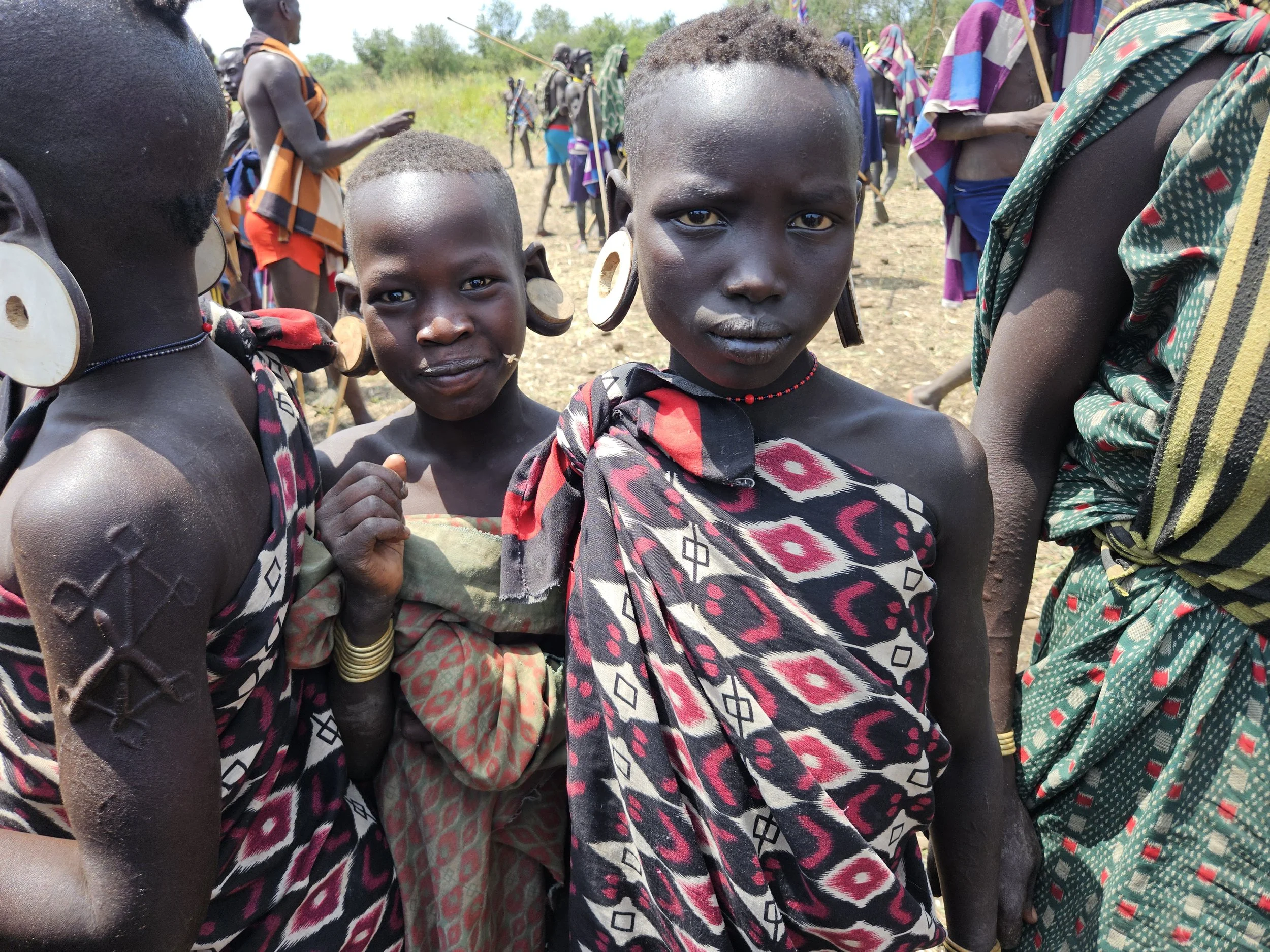
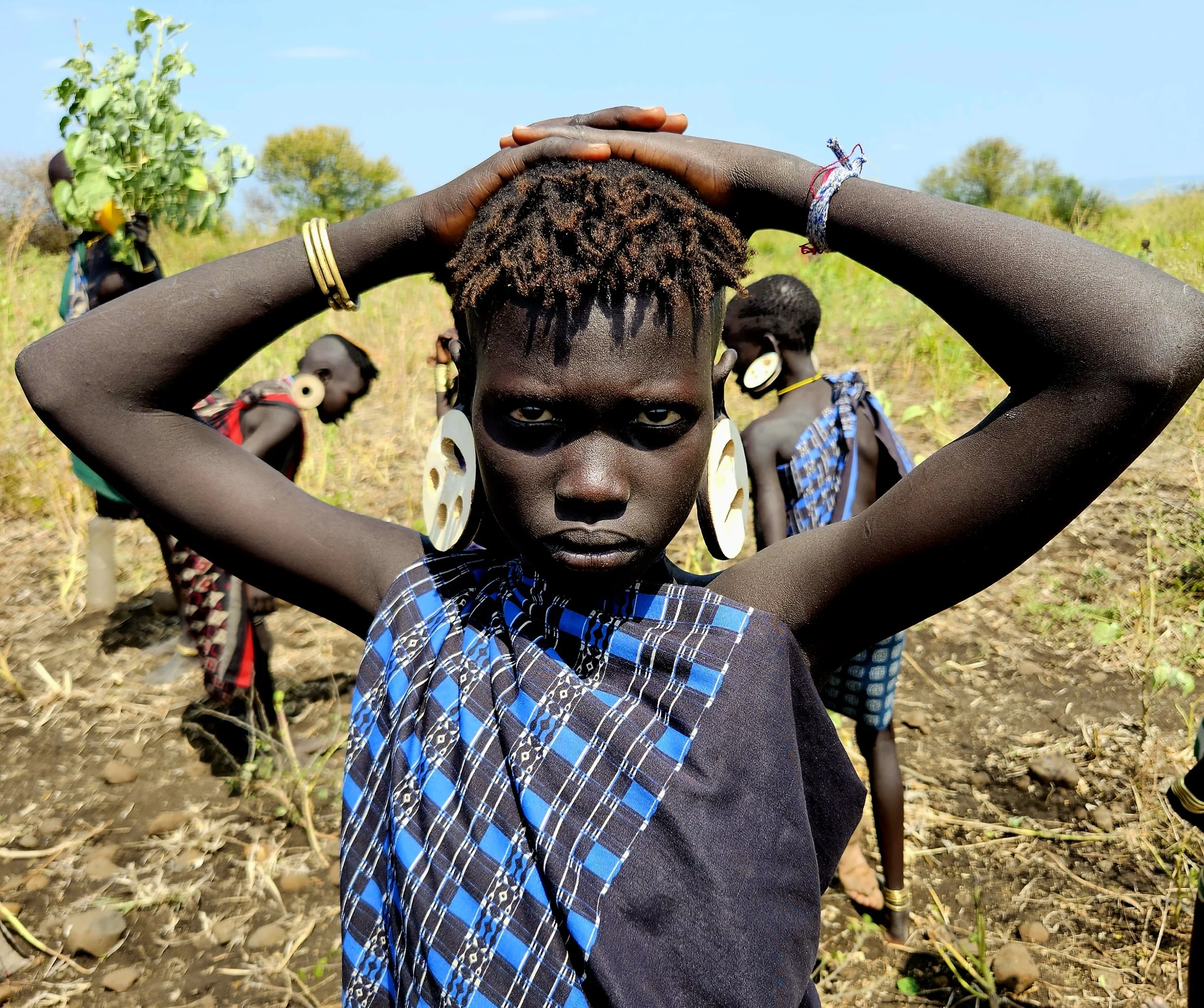
Mursi women often wear large clay or wooden discs in their lower lips, often taking them out to leave a large, hanging lower lip. At puberty, a young girl's lip is pierced, and increasingly larger plugs stretch the tissue over months. The plates symbolize beauty, maturity, and cultural identity, though many modern educated young girls opt out of the custom.
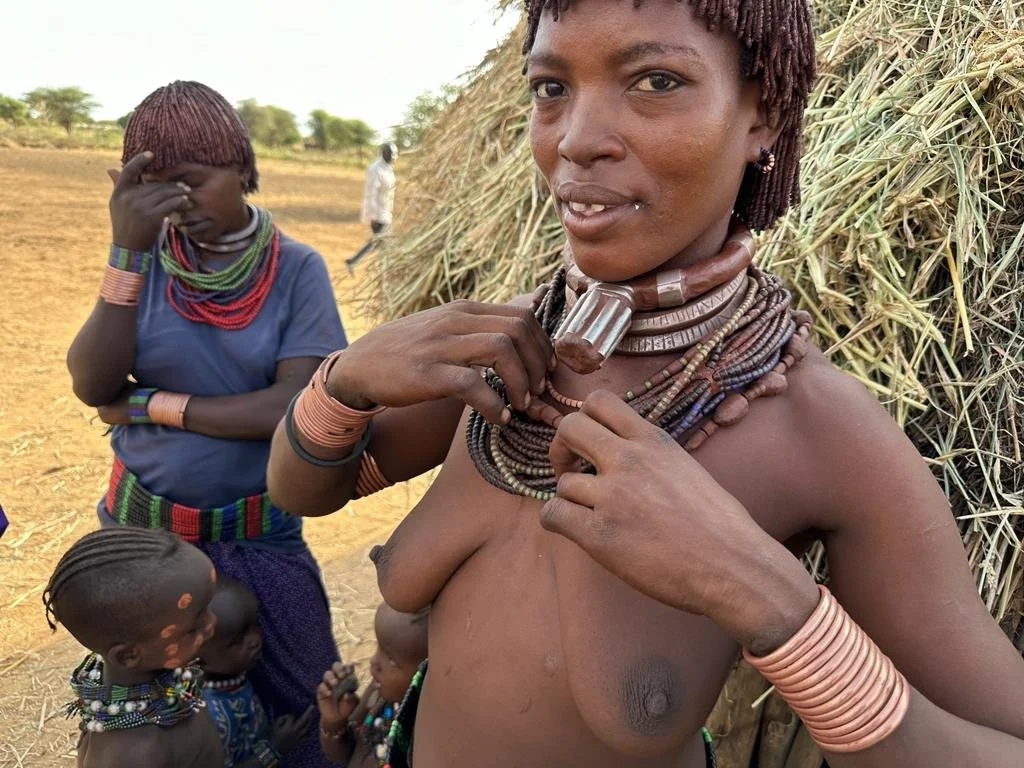
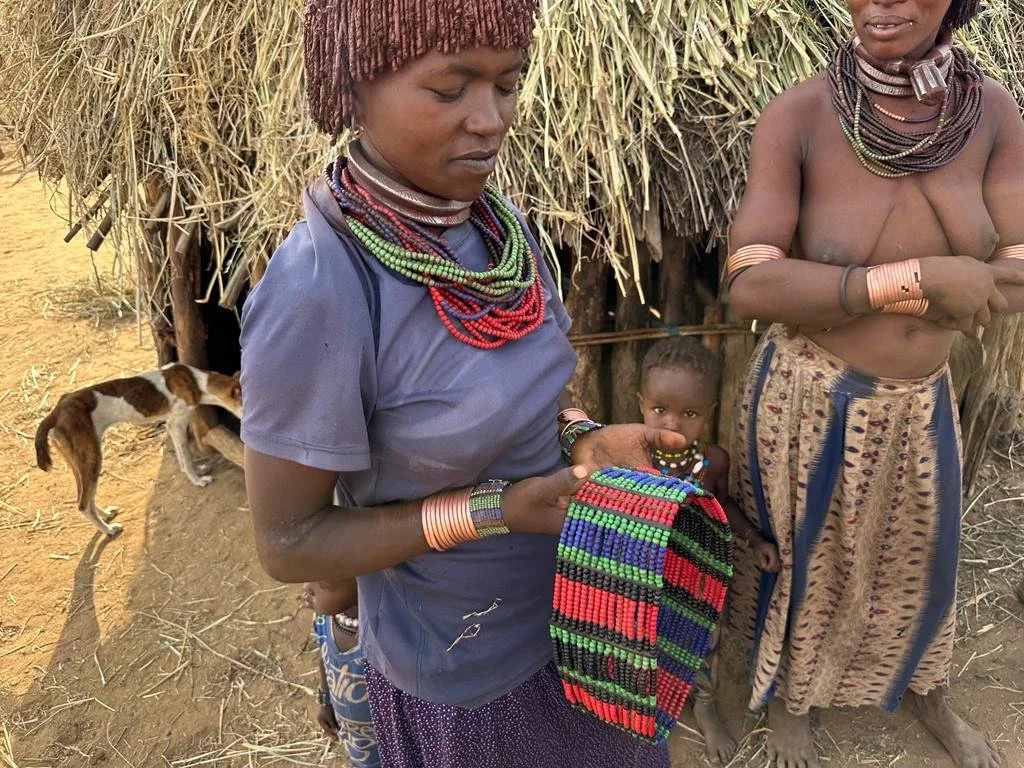
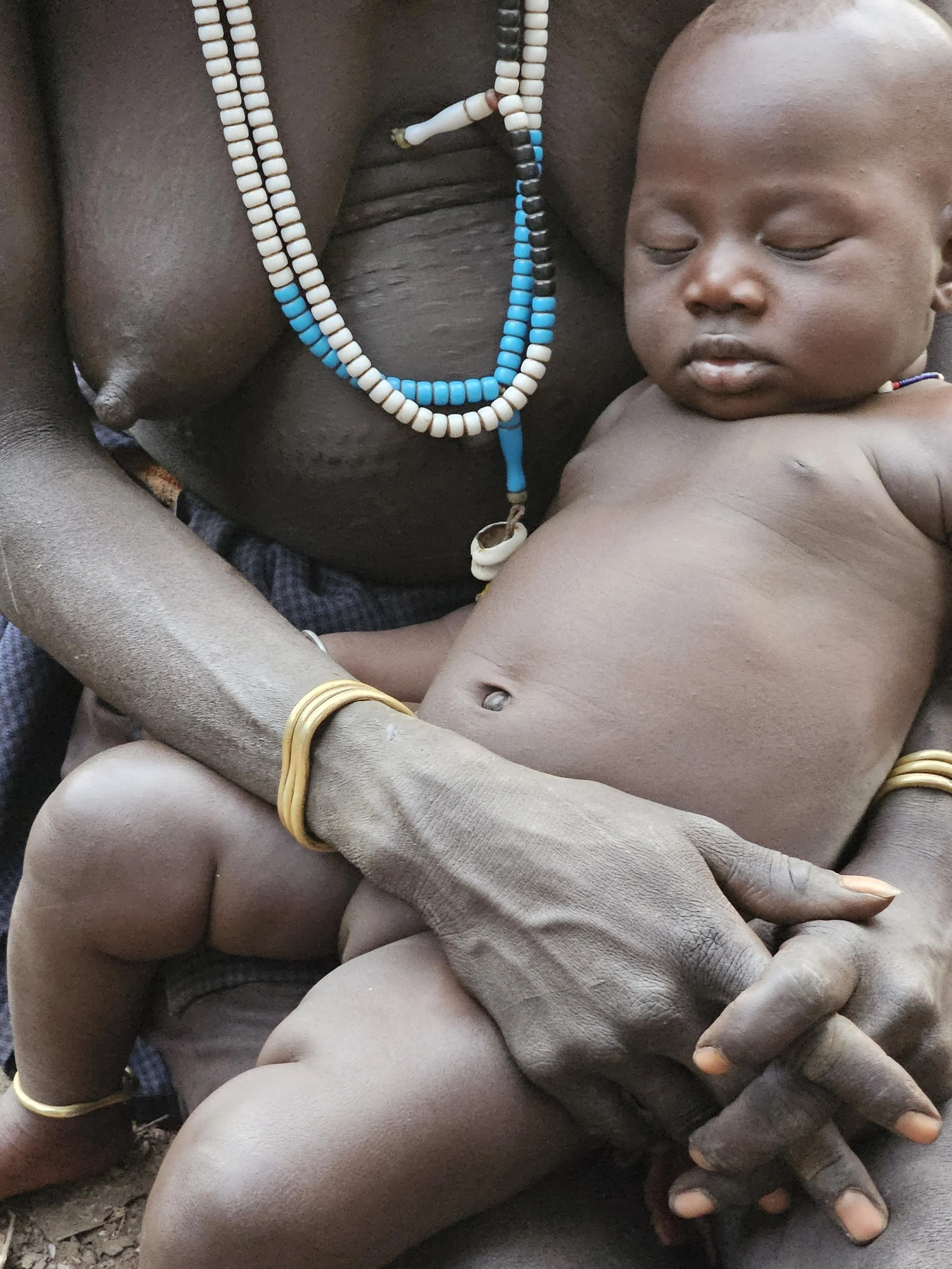
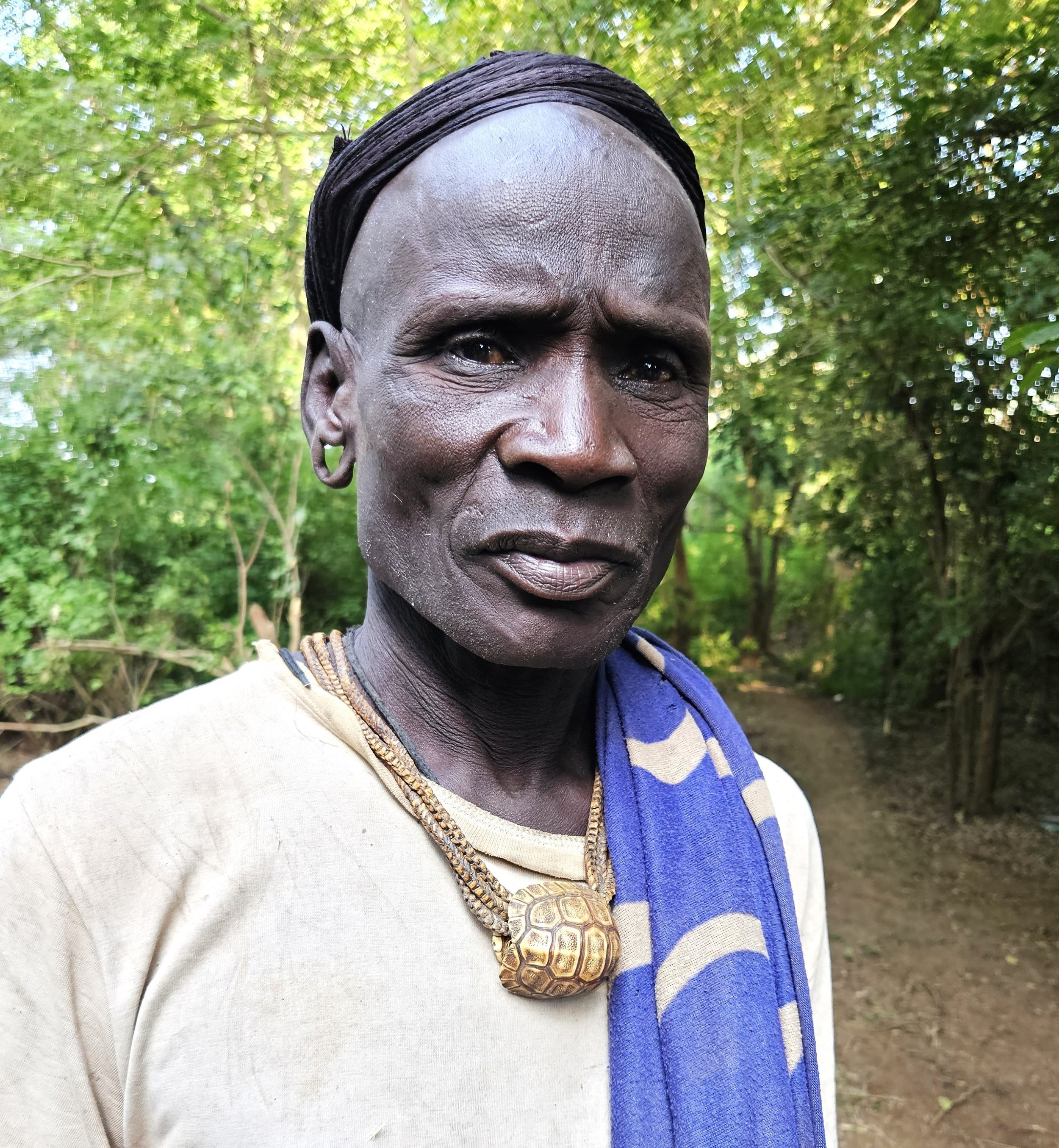
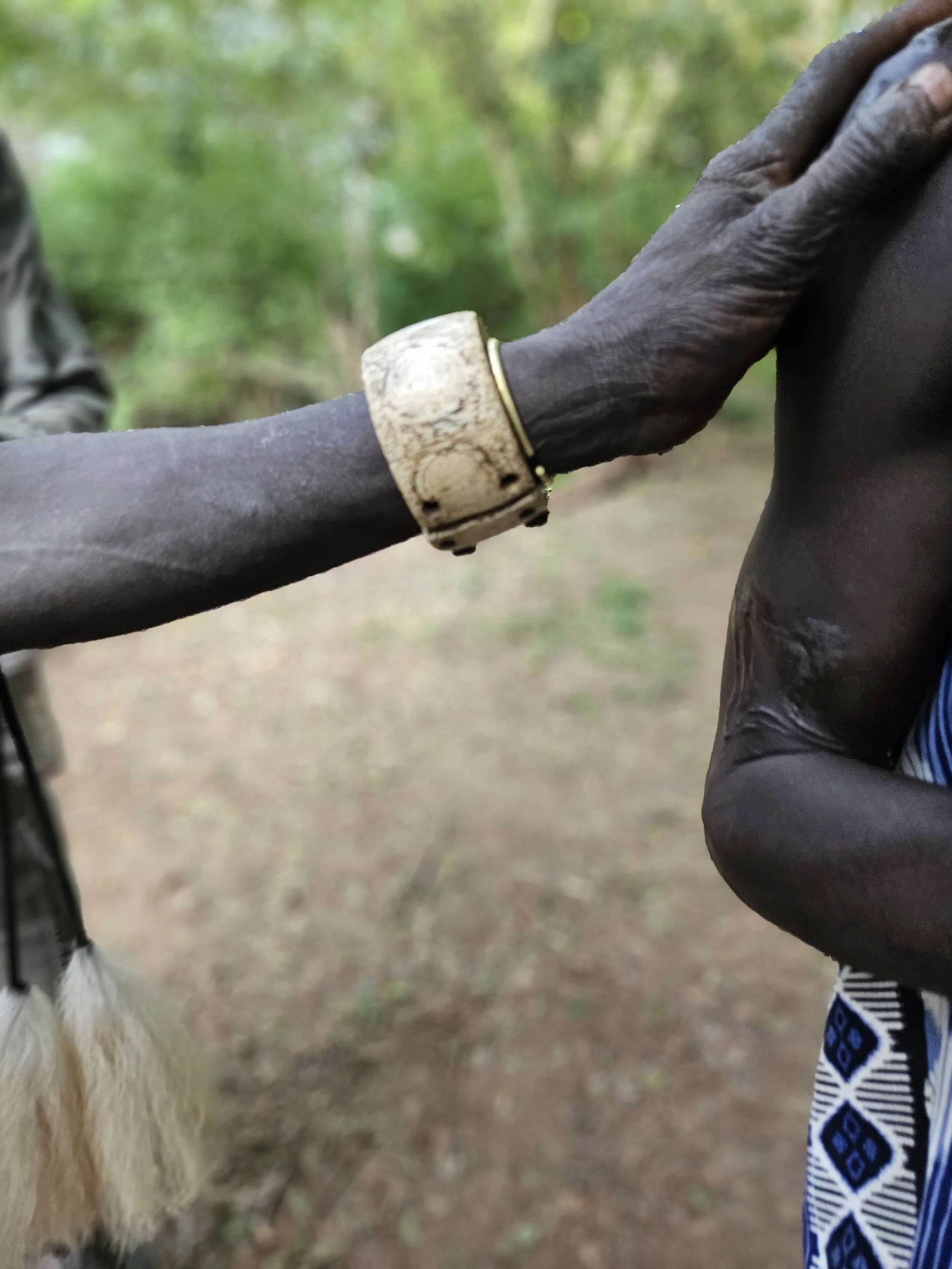
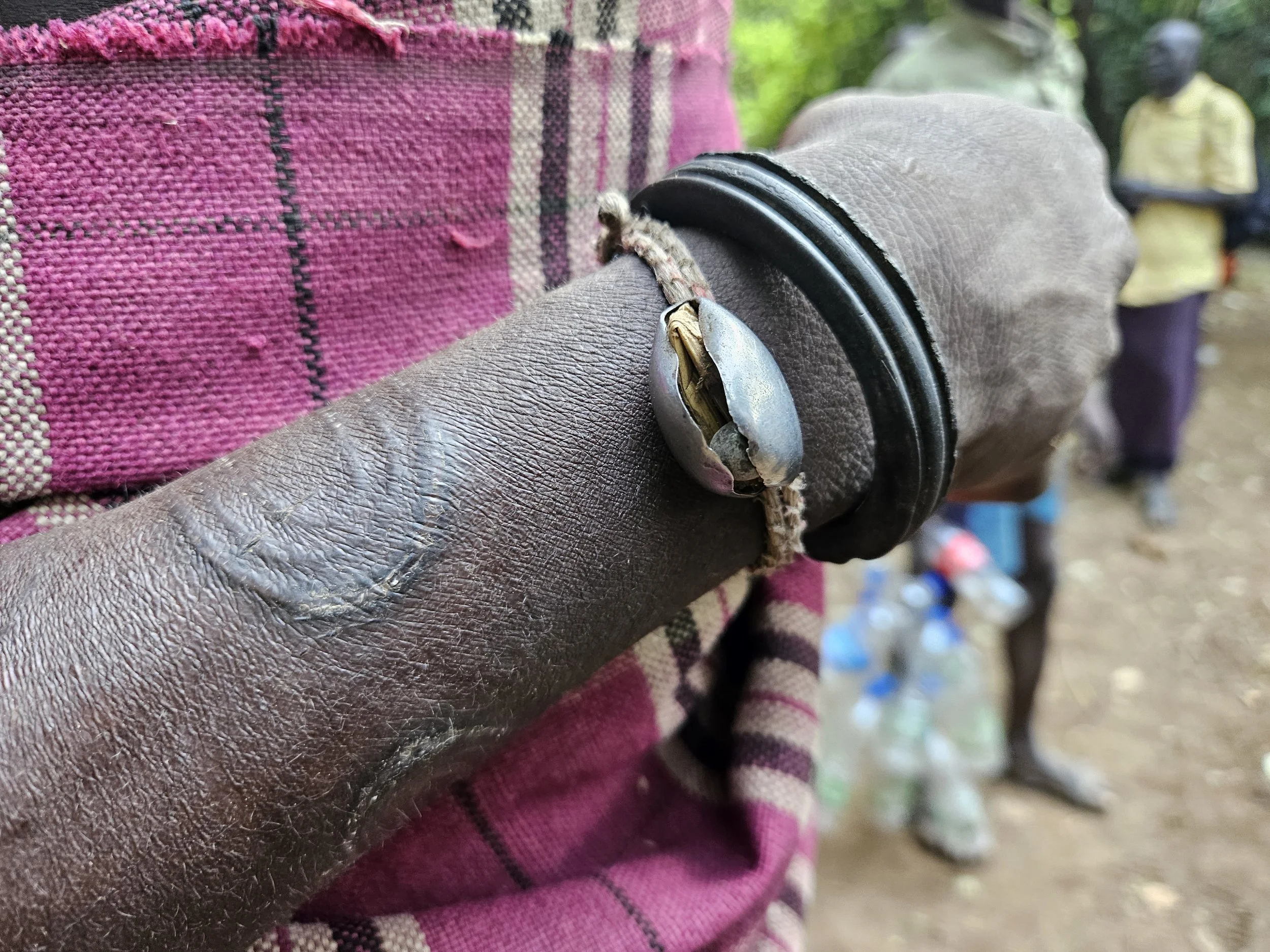
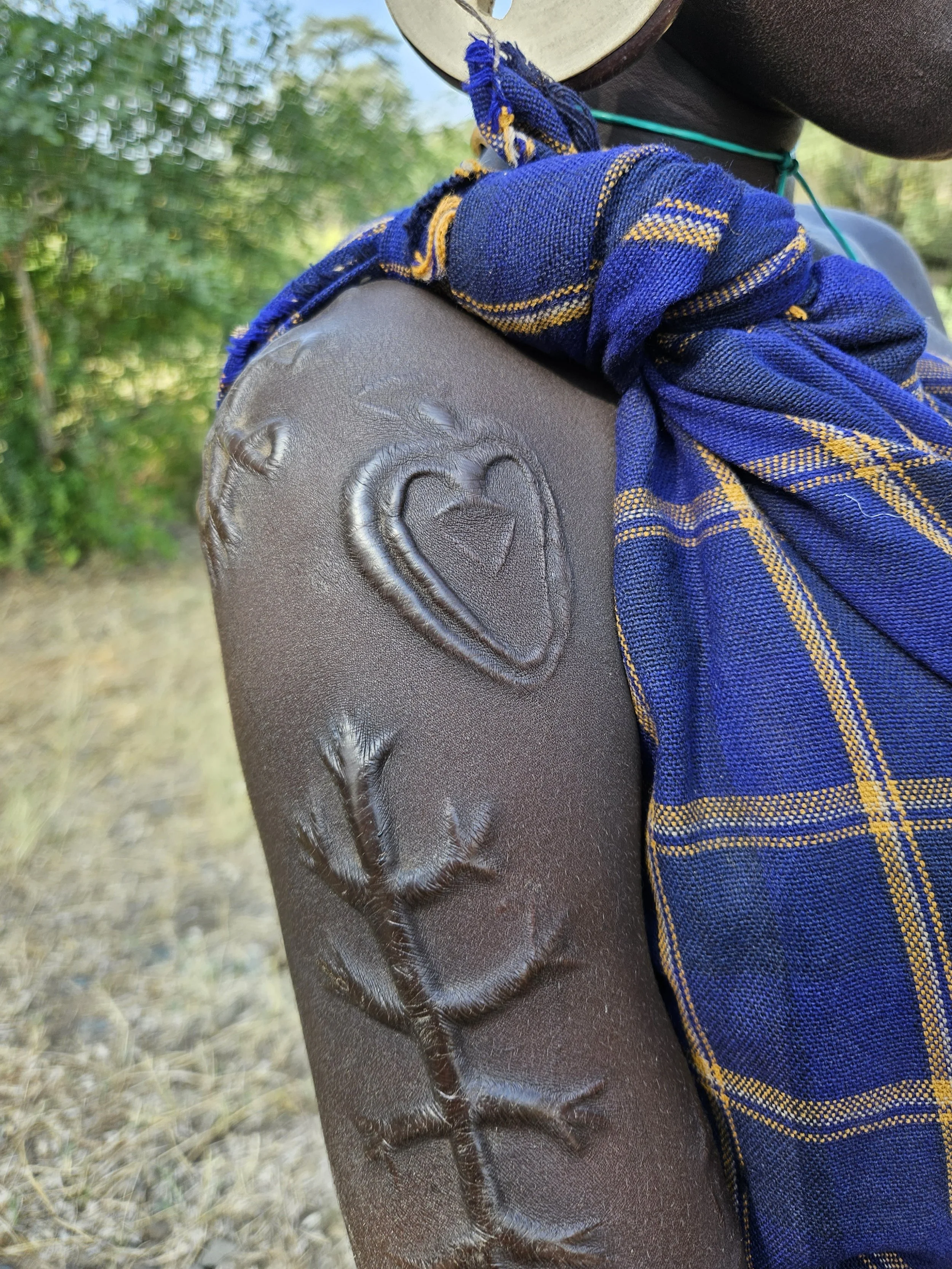
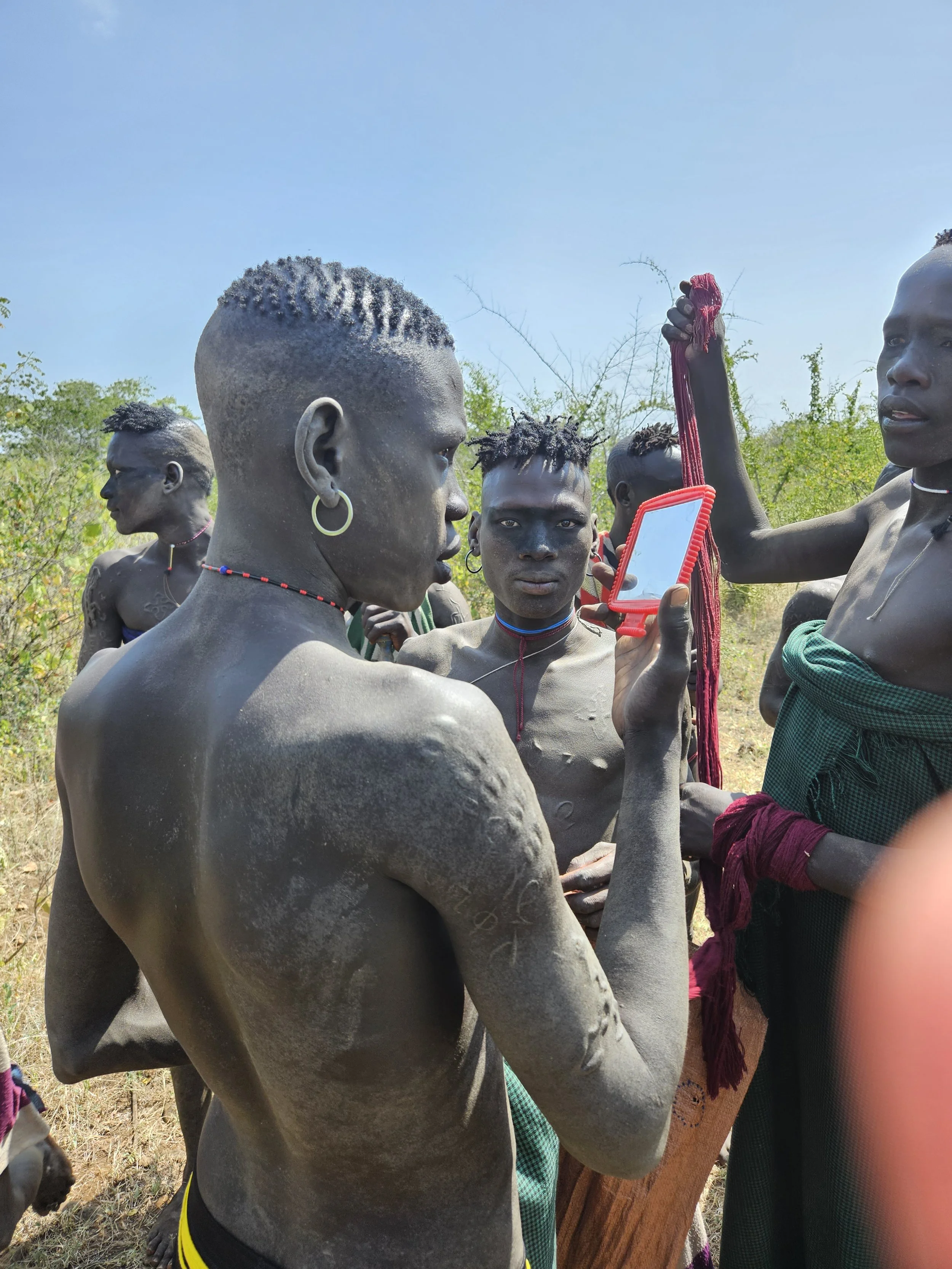
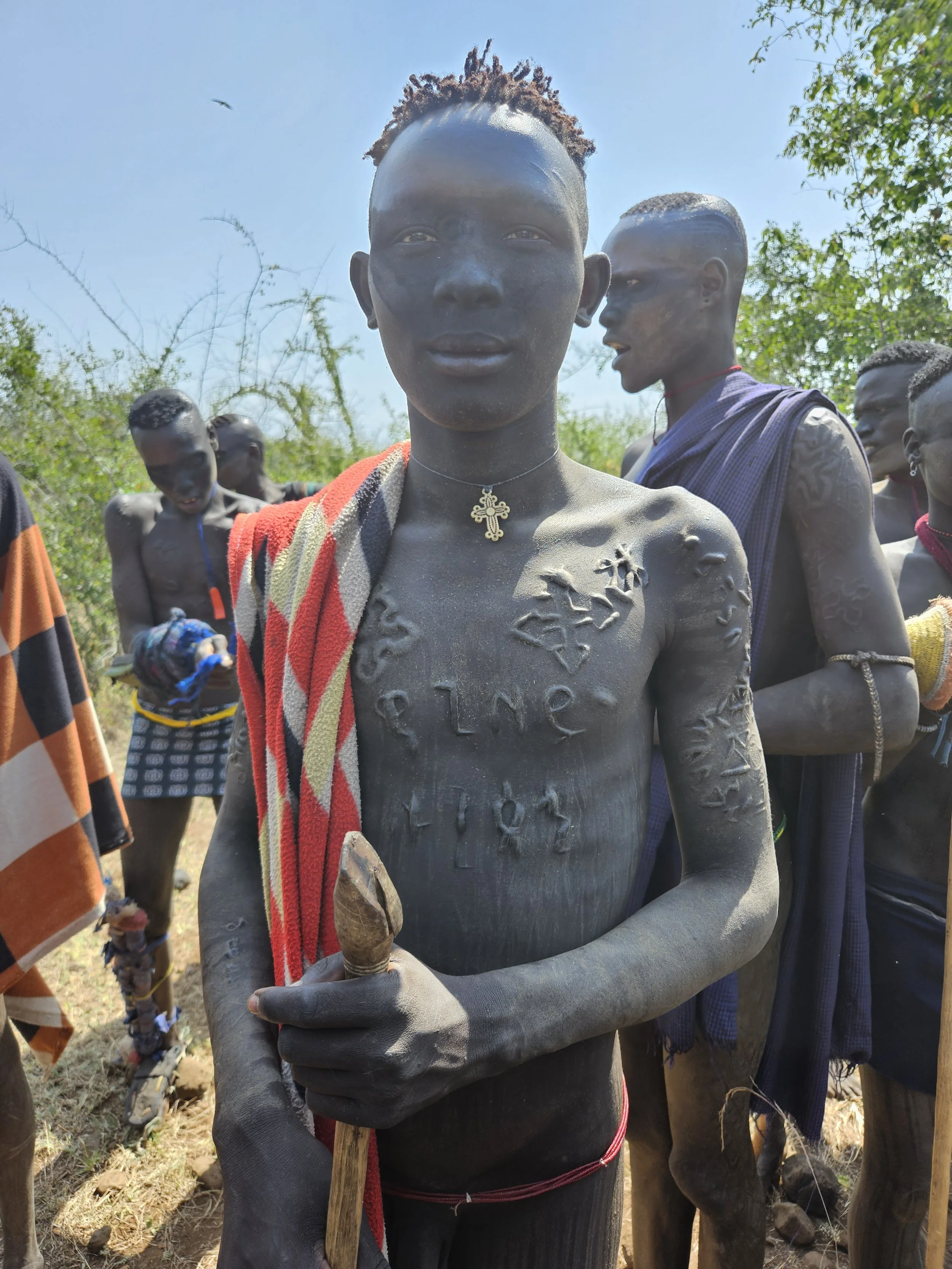
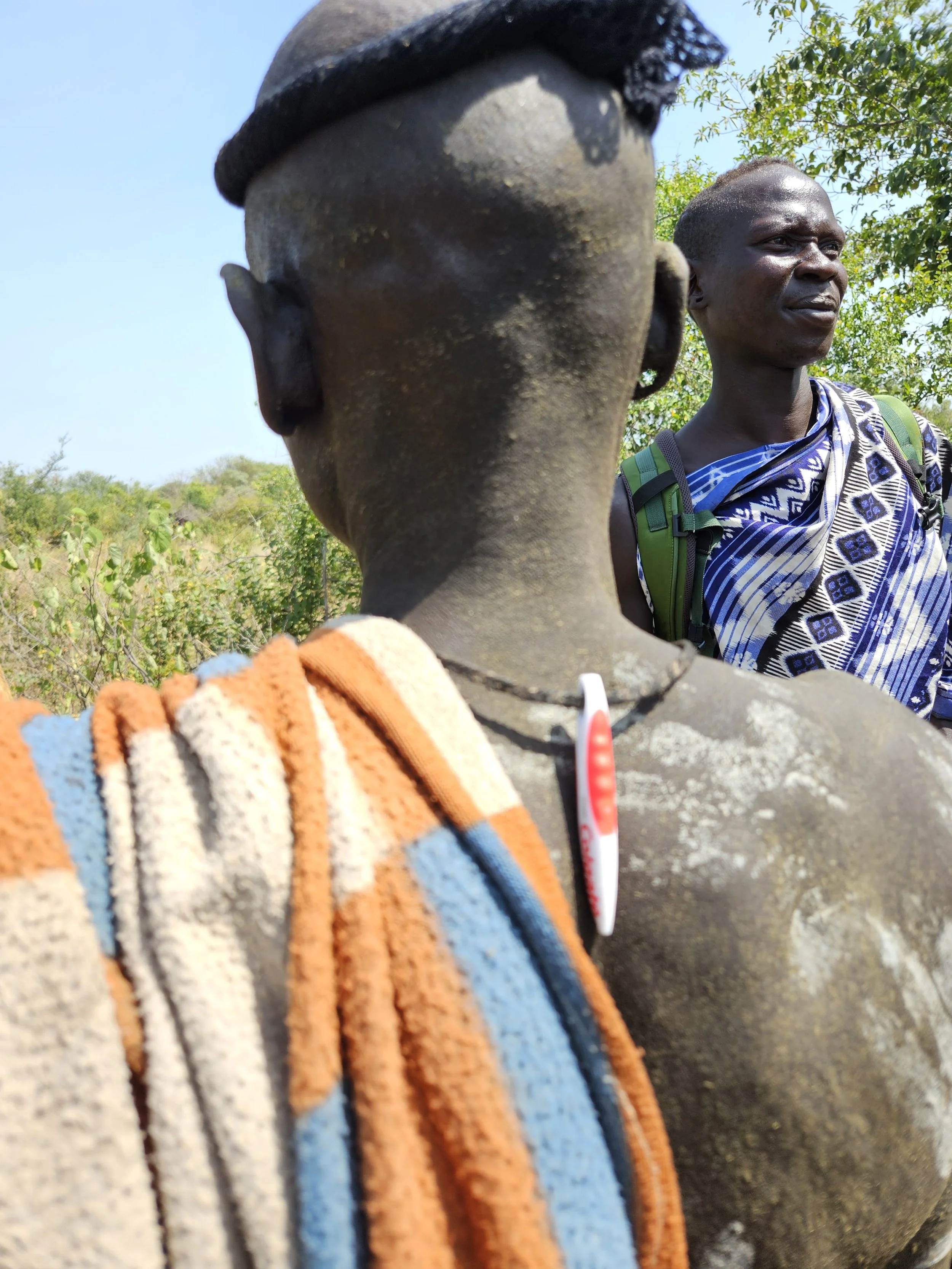
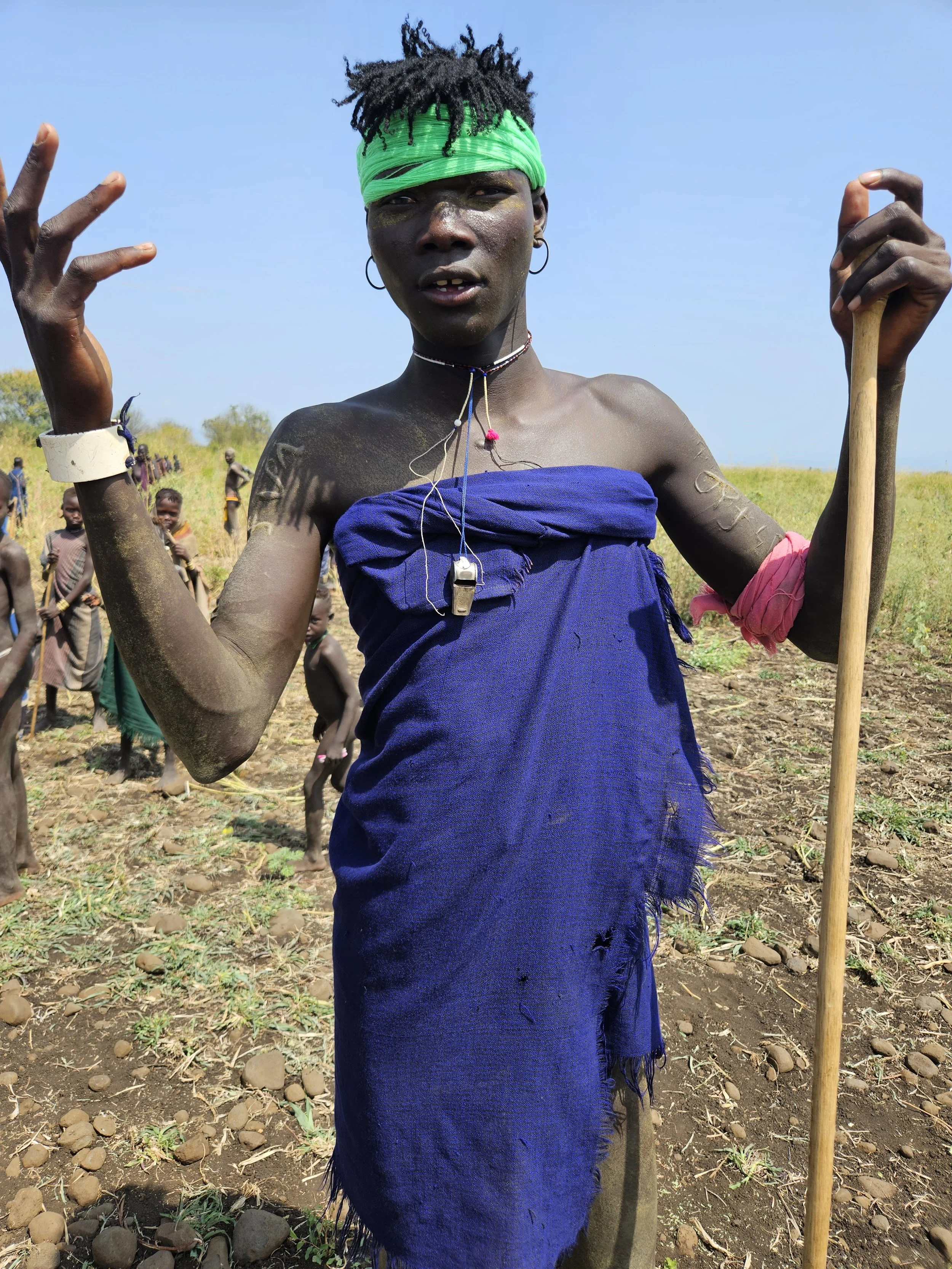
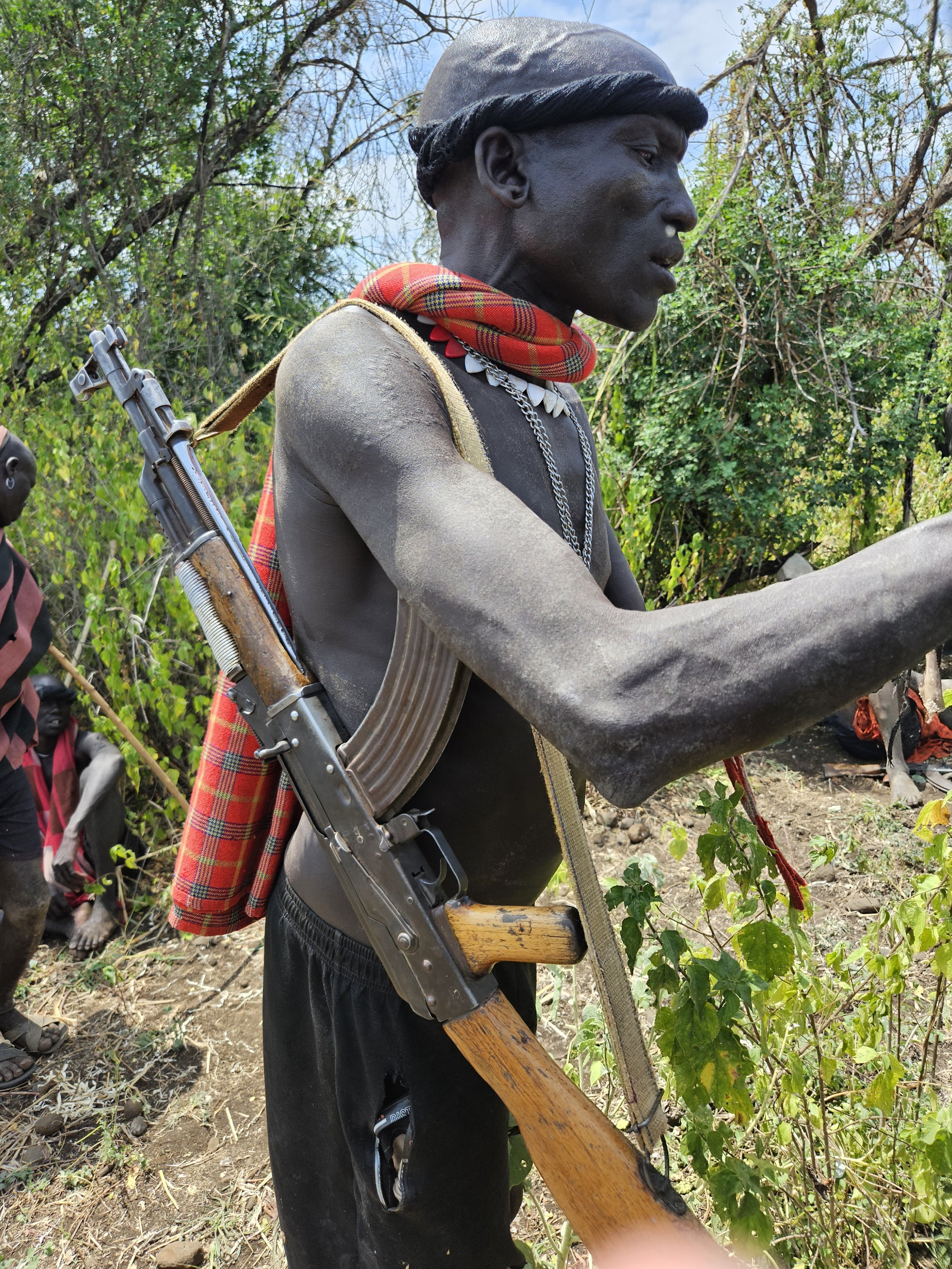
Both men and women use lots of beads (mostly imported through local traders); have scarification (patterns sliced into the skin with razor blades); and body paint made from ash, chalk, and dung for social status, protection from the sun, and beauty.
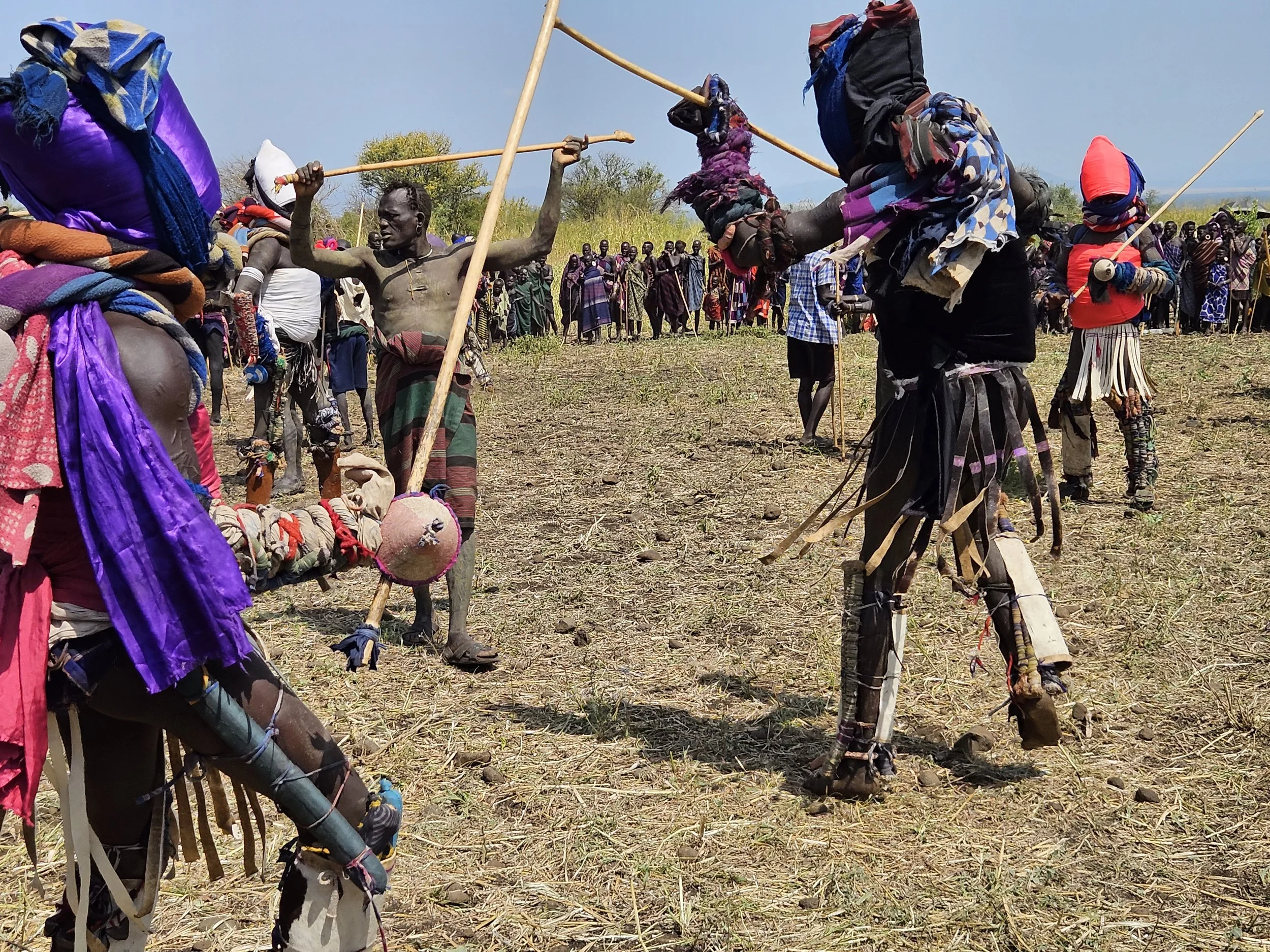
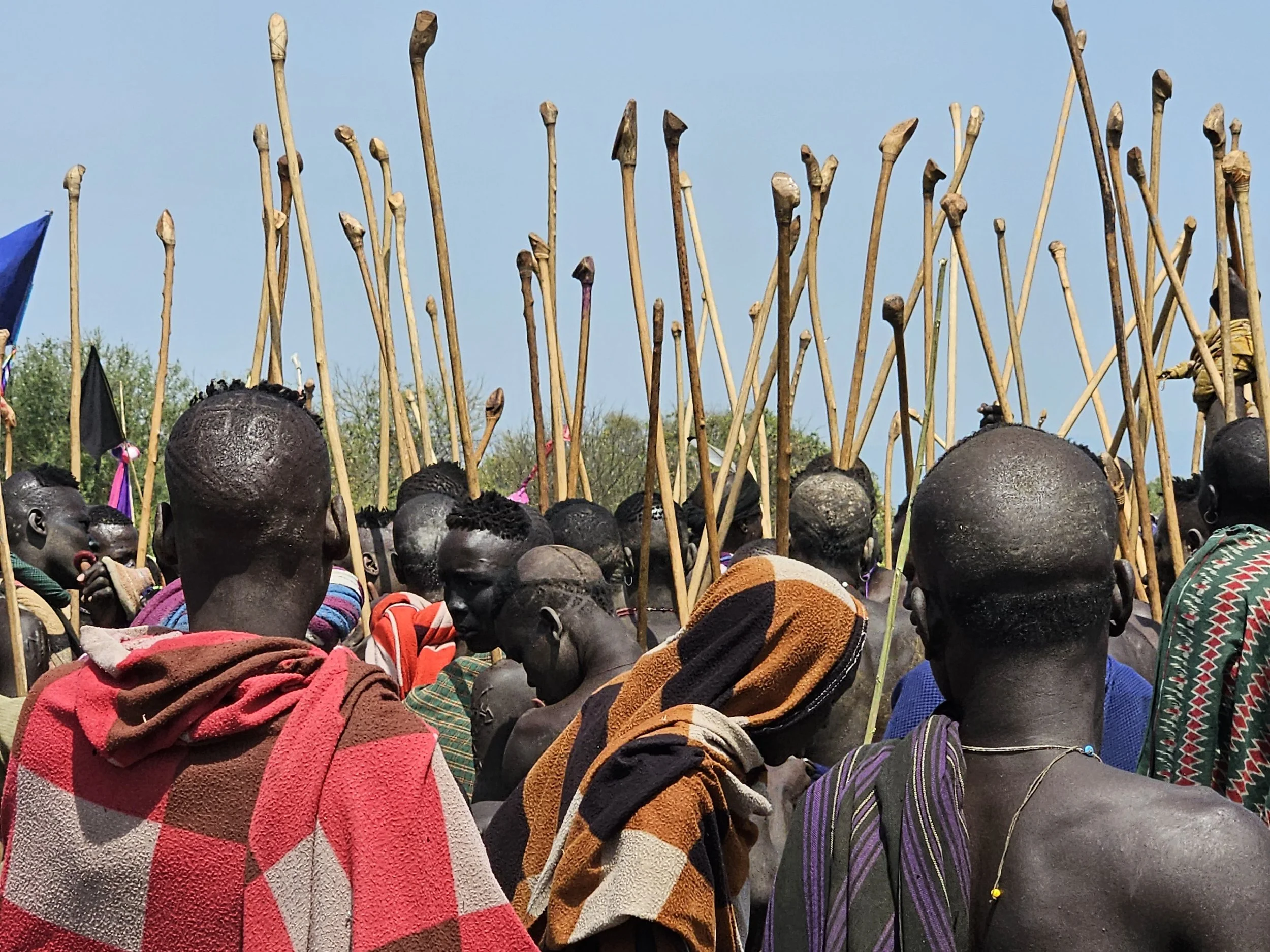
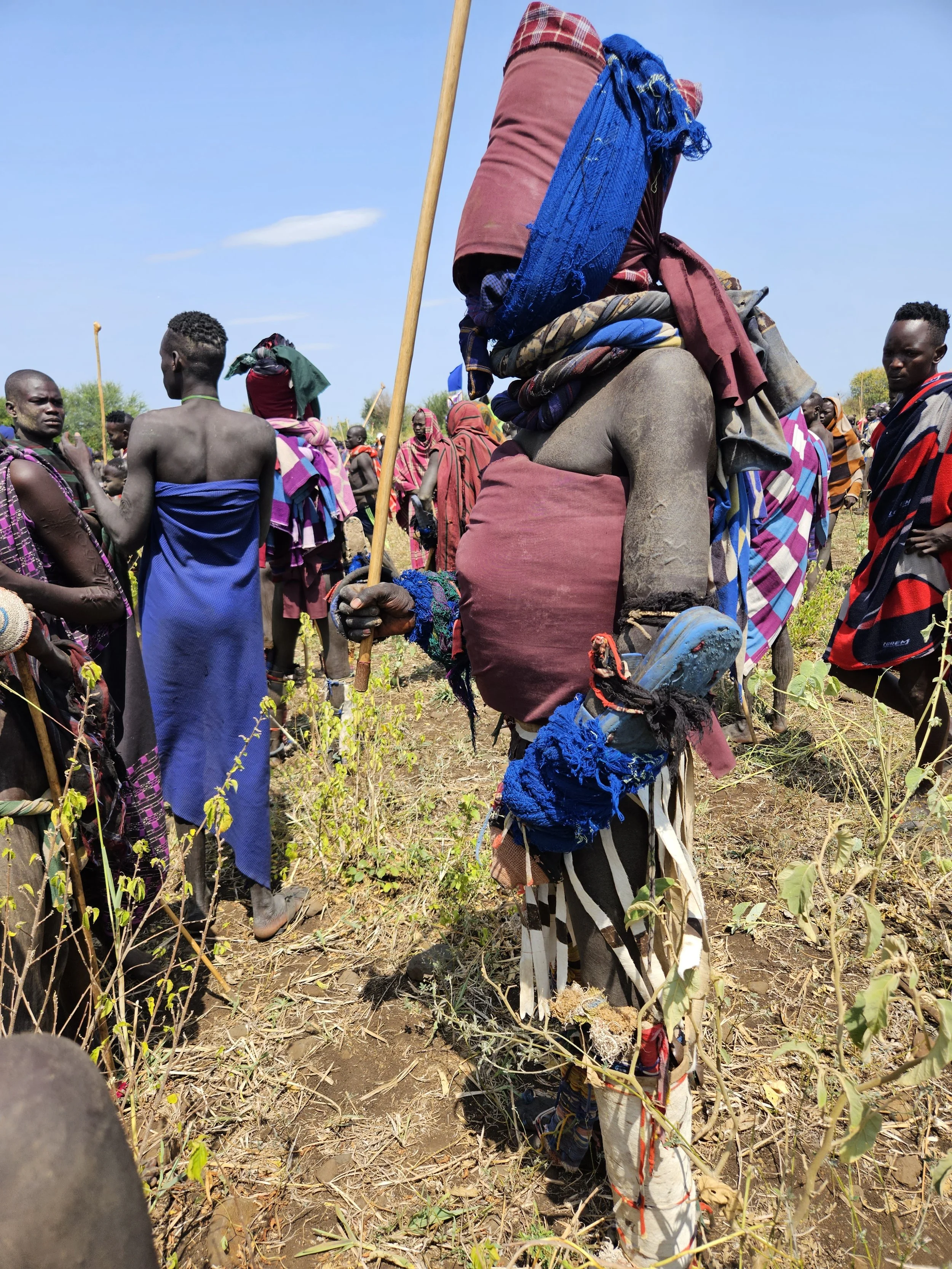
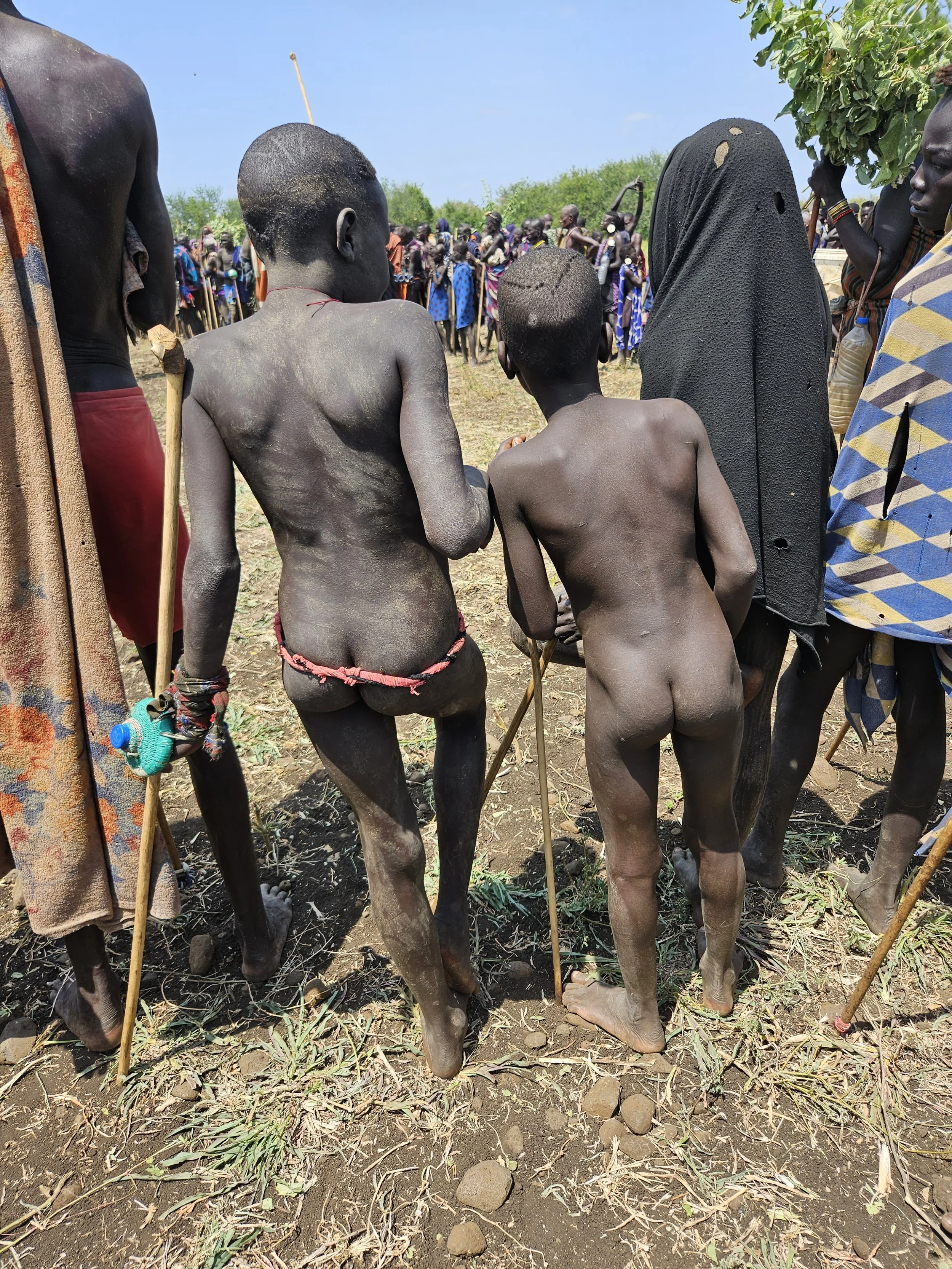
Men participate in stick-fighting, or donga, a highly competitive, ritualistic martial art utilizing two-meter-long wooden poles. Winners prove their strength and earn the respect of the community.
Livestock…especially cattle… represents the ultimate measure of wealth, prestige, and social standing. Cows are vital for bridewealth (dowry) payments during marriages, and trading for essential items (transport, guns, etc.)
As with many traditional cultures, the Mursi face mounting pressures from government infrastructure (dams, roads, commercial agriculture) The Mursi traditional way of life faces immense pressure, altering the flooding patterns of the Omo River and disrupting their farming. This loss of resources has heightened ethnic tensions and cattle raids with neighboring tribes, leading many Mursi men to carry Kalashnikov rifles for self-defense and to guard their cattle against raids from tribes in South Sudan.