West Omo Bank
Ethiopia (SouthWest) 2023
The Suri People
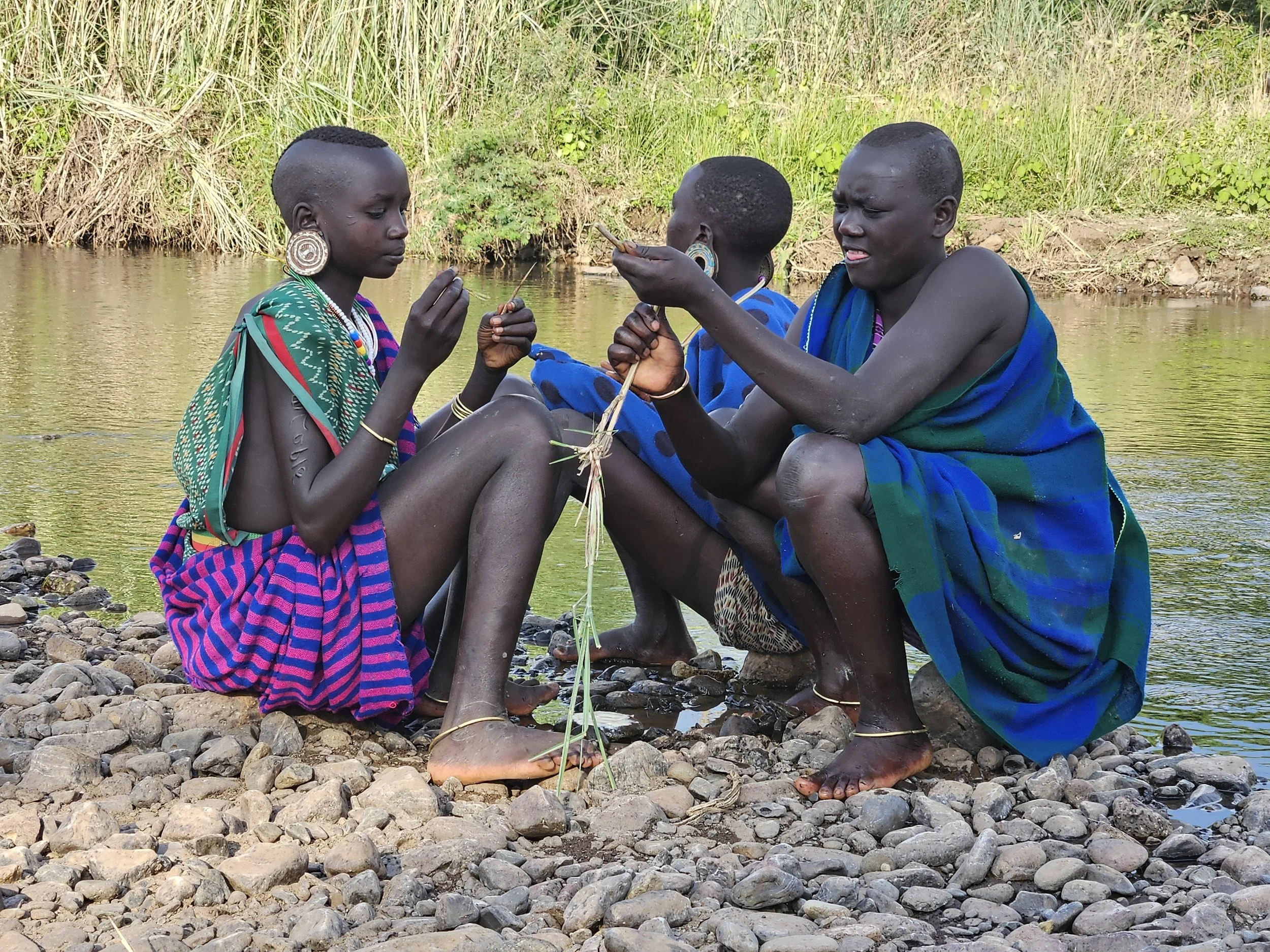
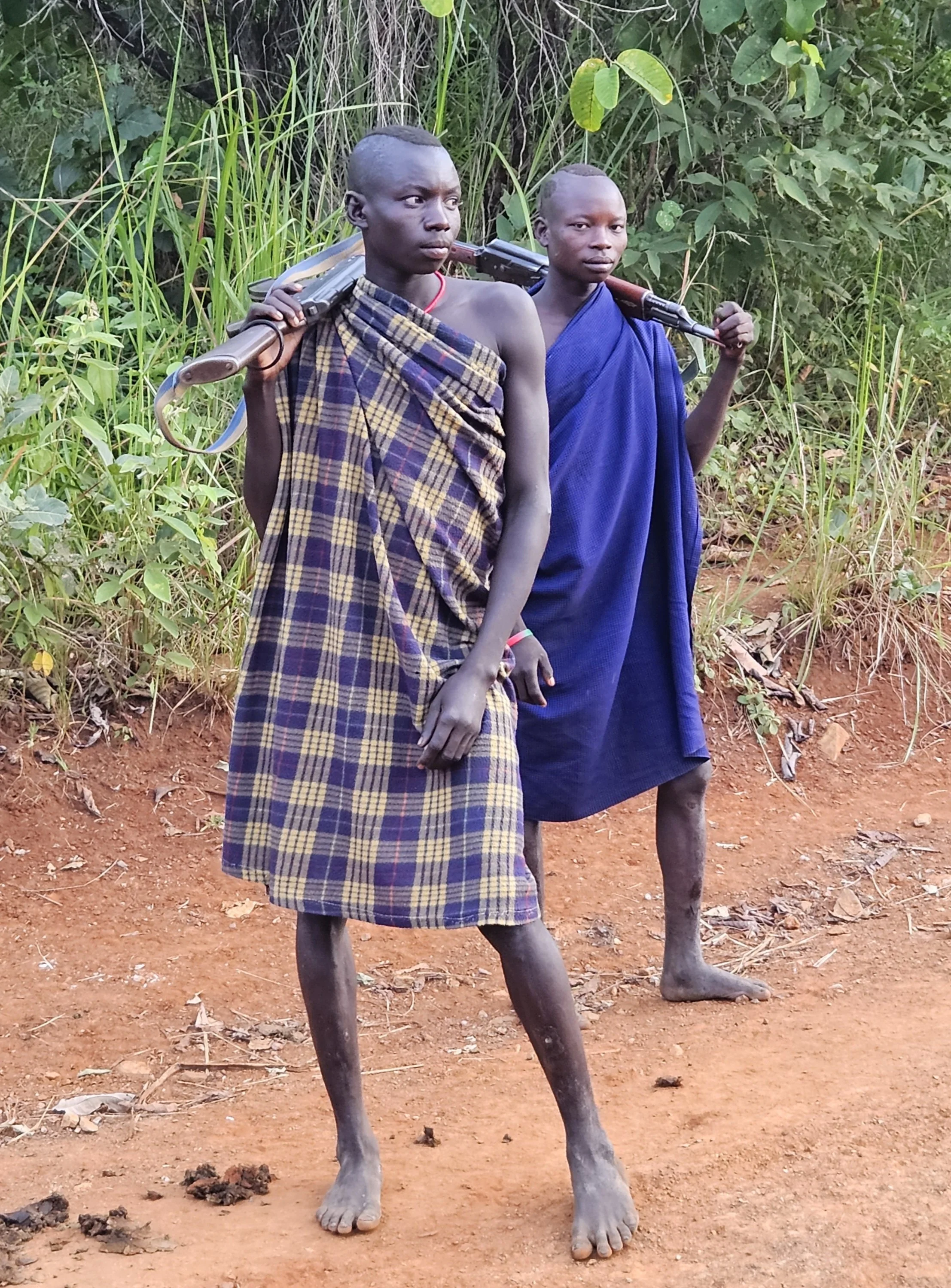
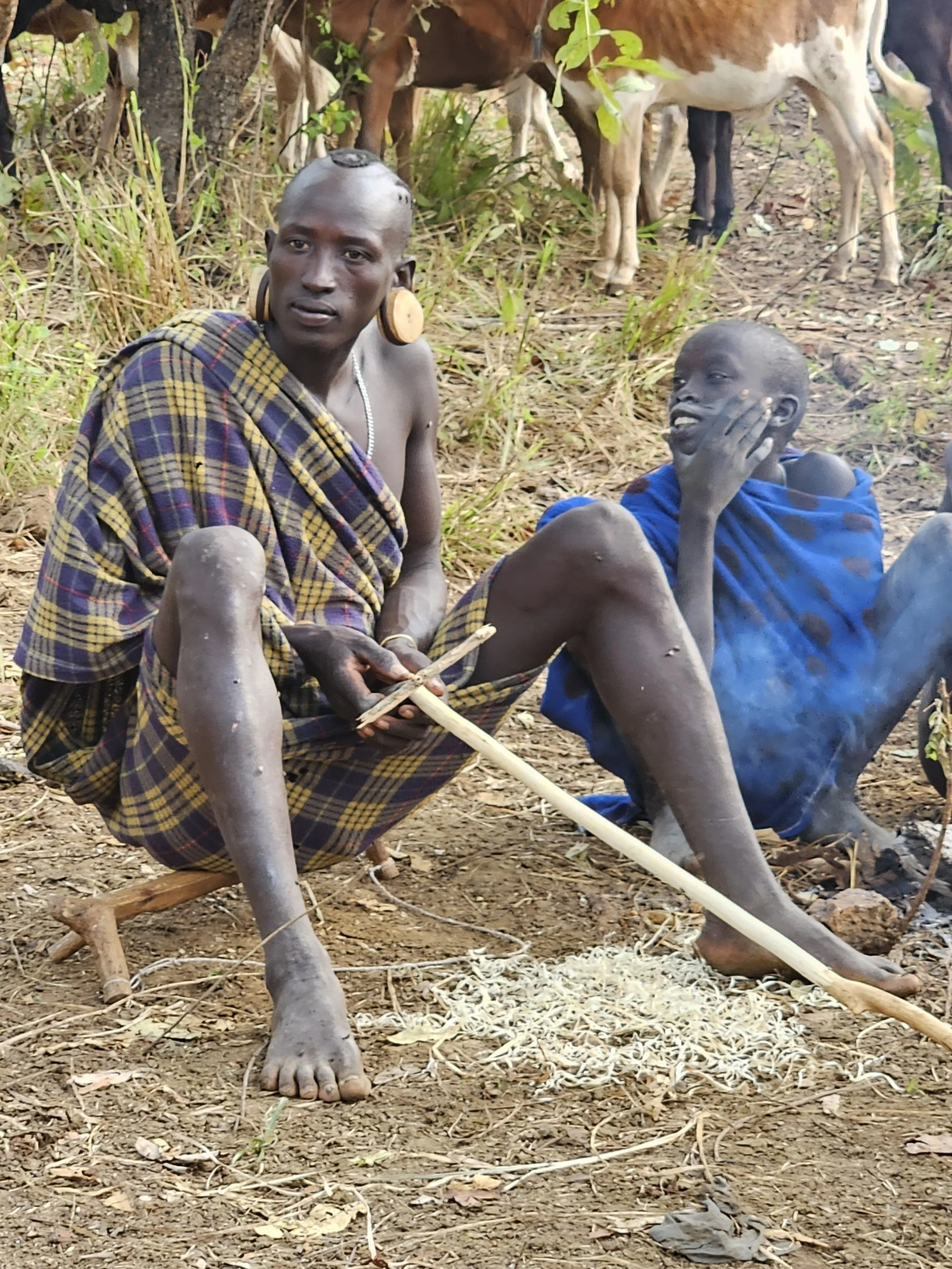
The Suri tribe is an indigenous, agro-pastoralist ethnic community living in the highly remote West Omo Zone of southwestern Ethiopia and parts of neighboring South Sudan. Numbering around 34,000, they are known globally for their fiercely preserved traditions, complex body modifications, and a deeply cattle-centered way of life.
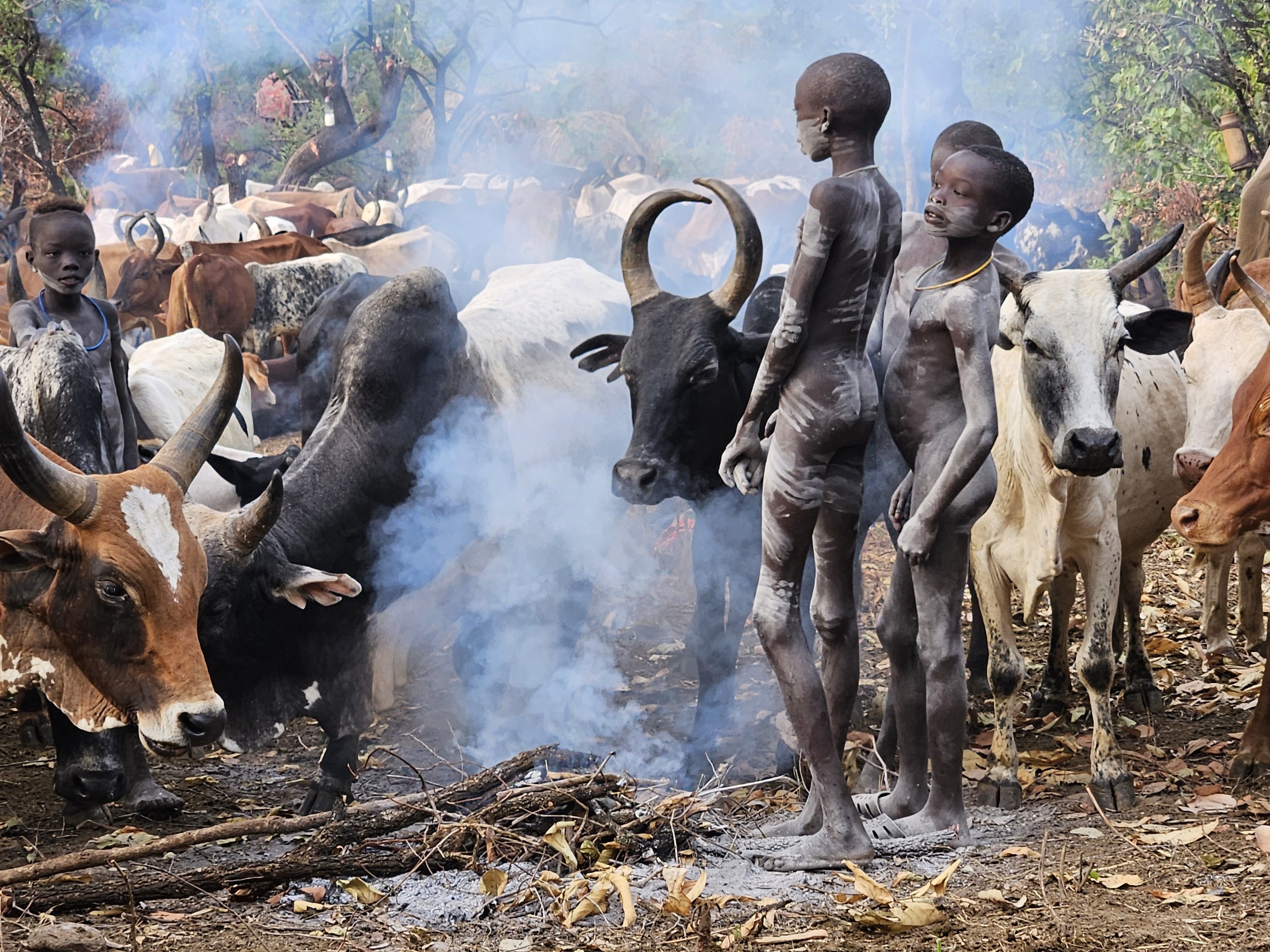
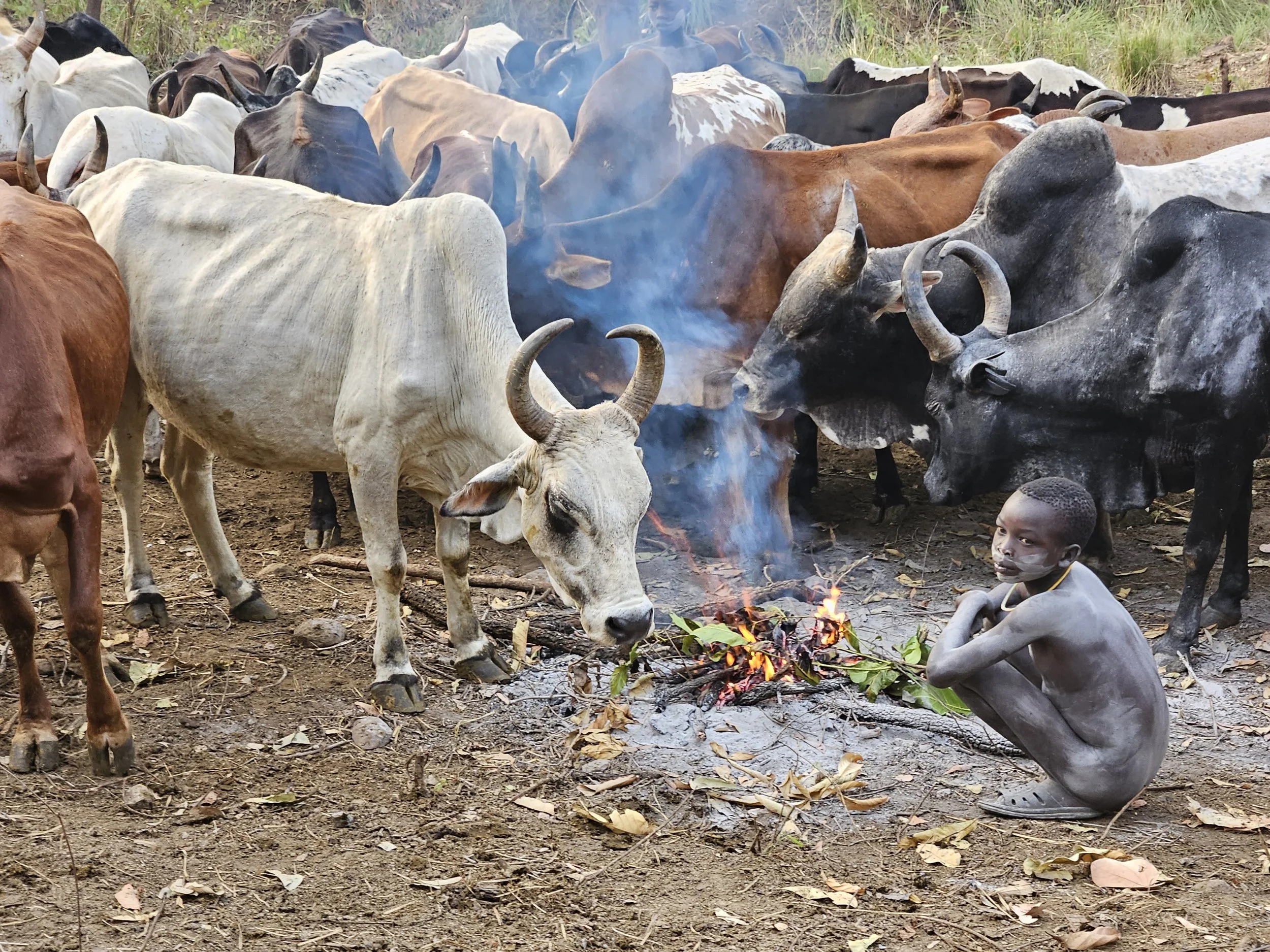
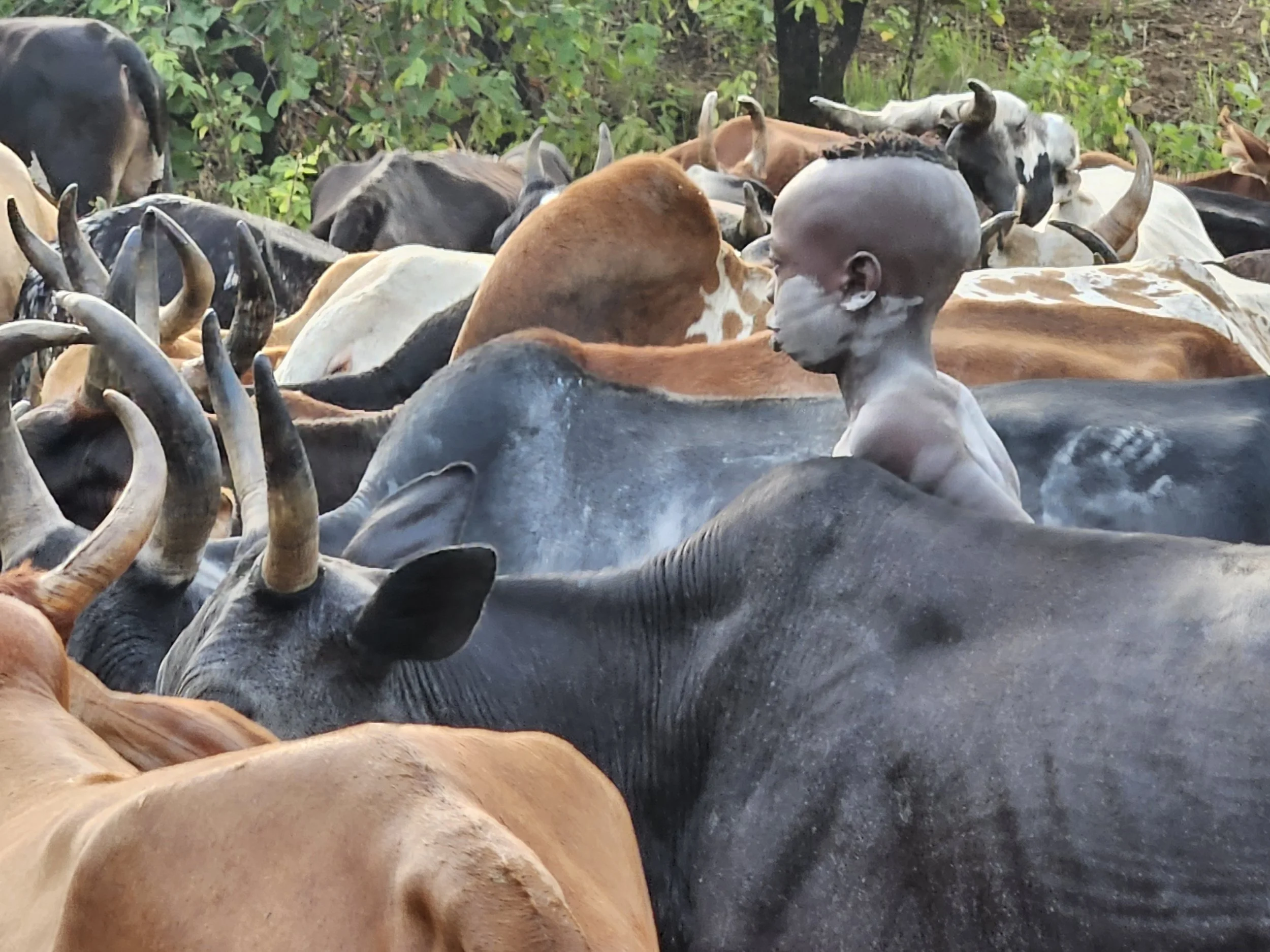
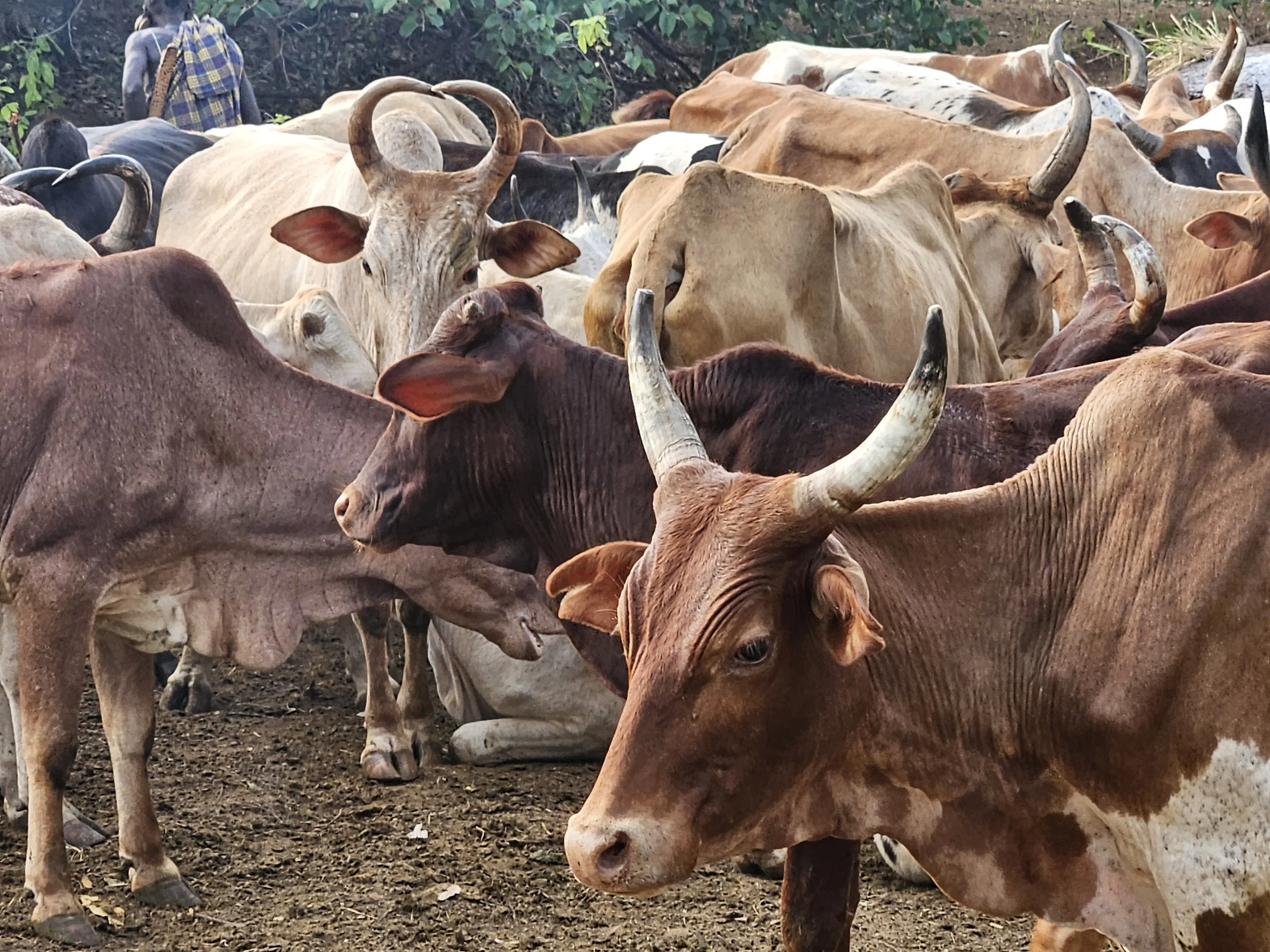
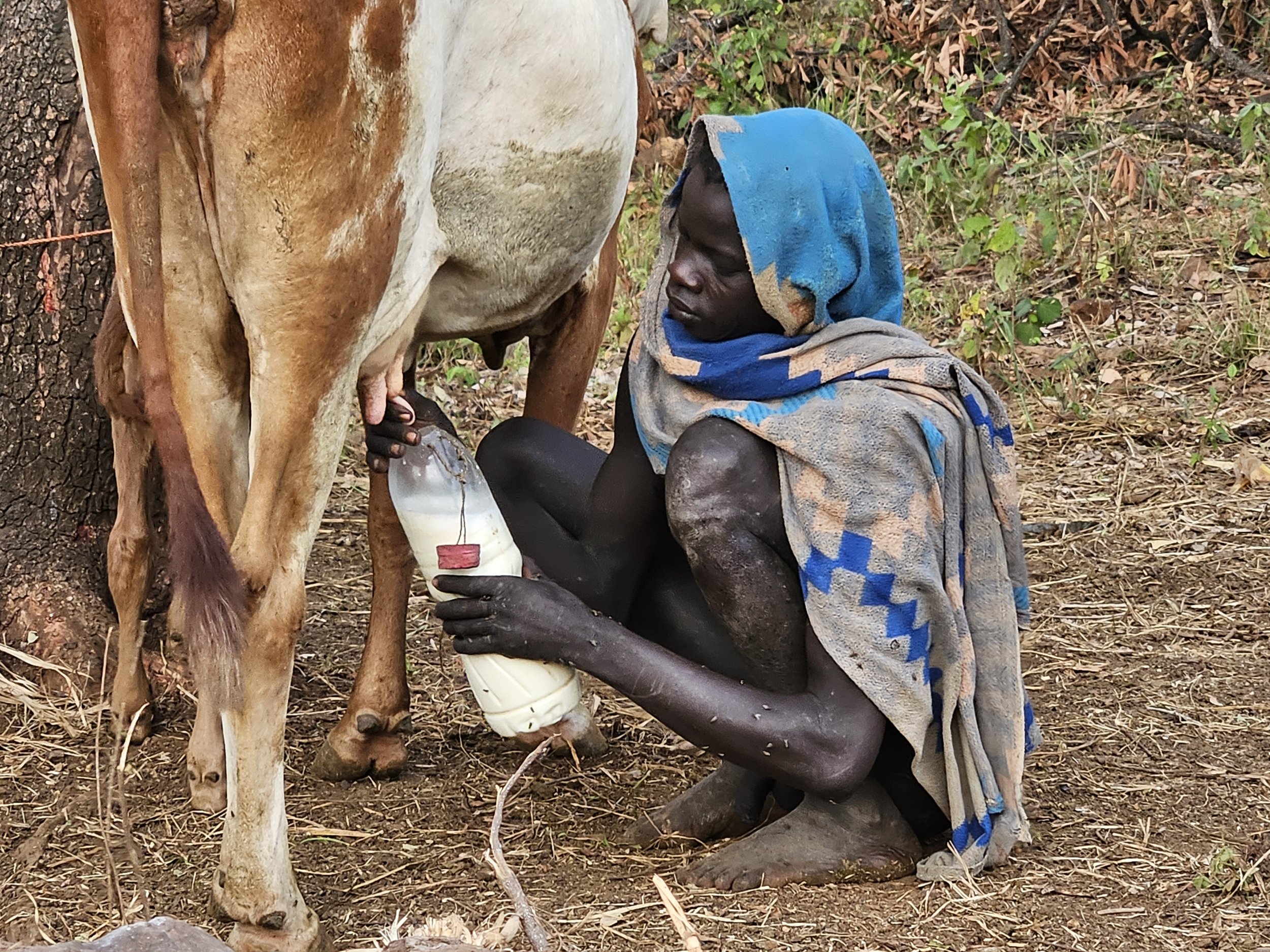
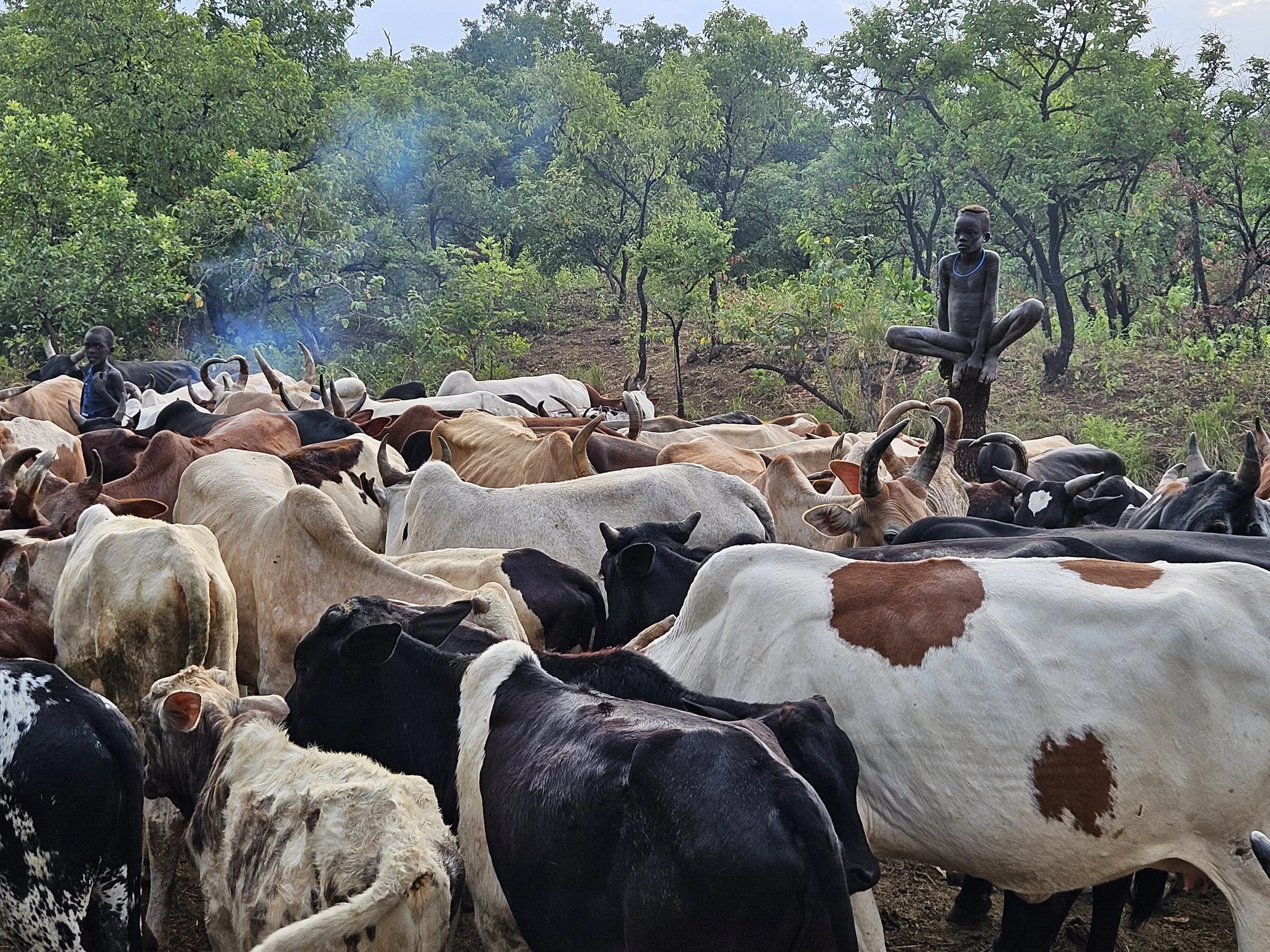
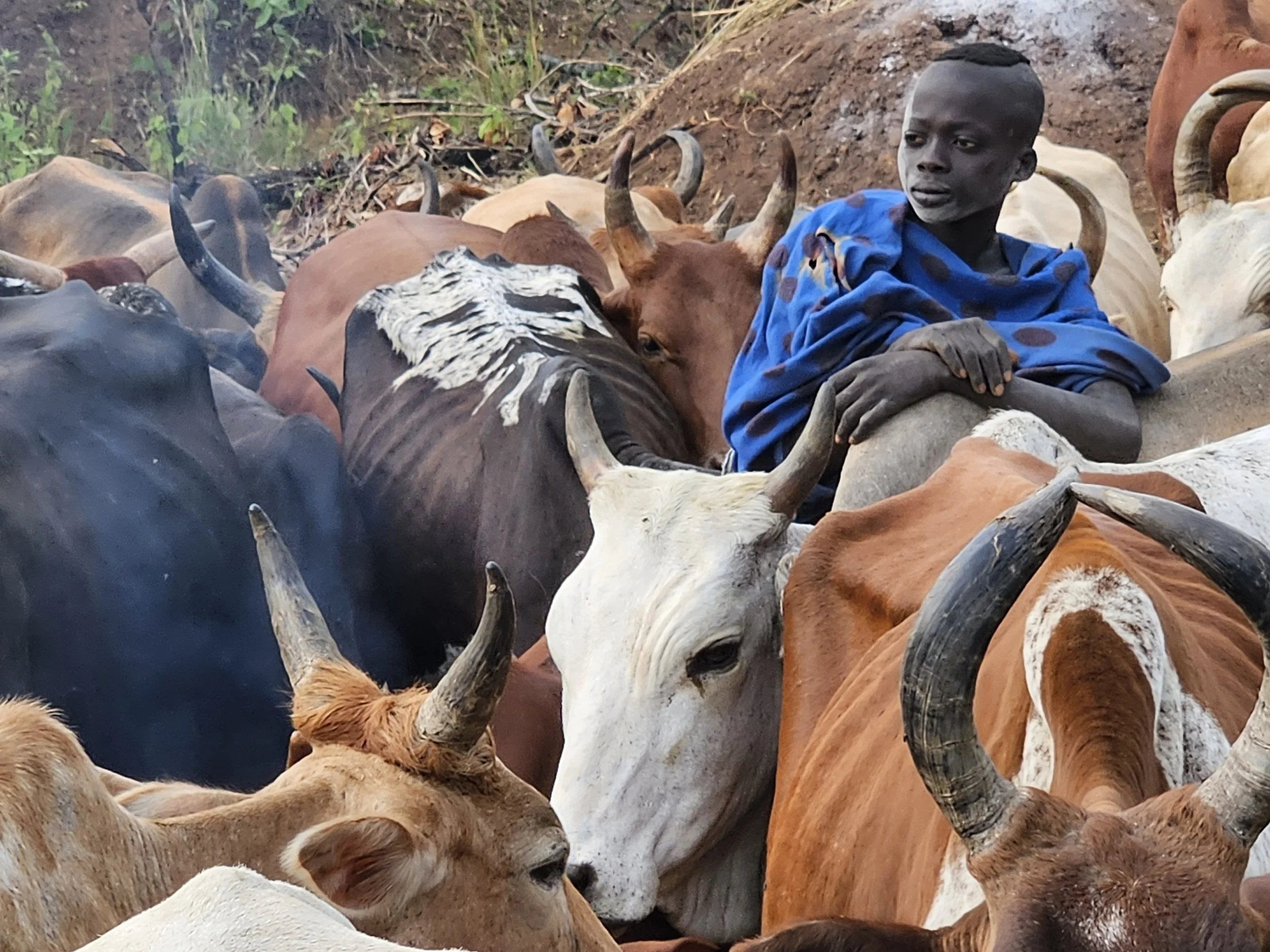
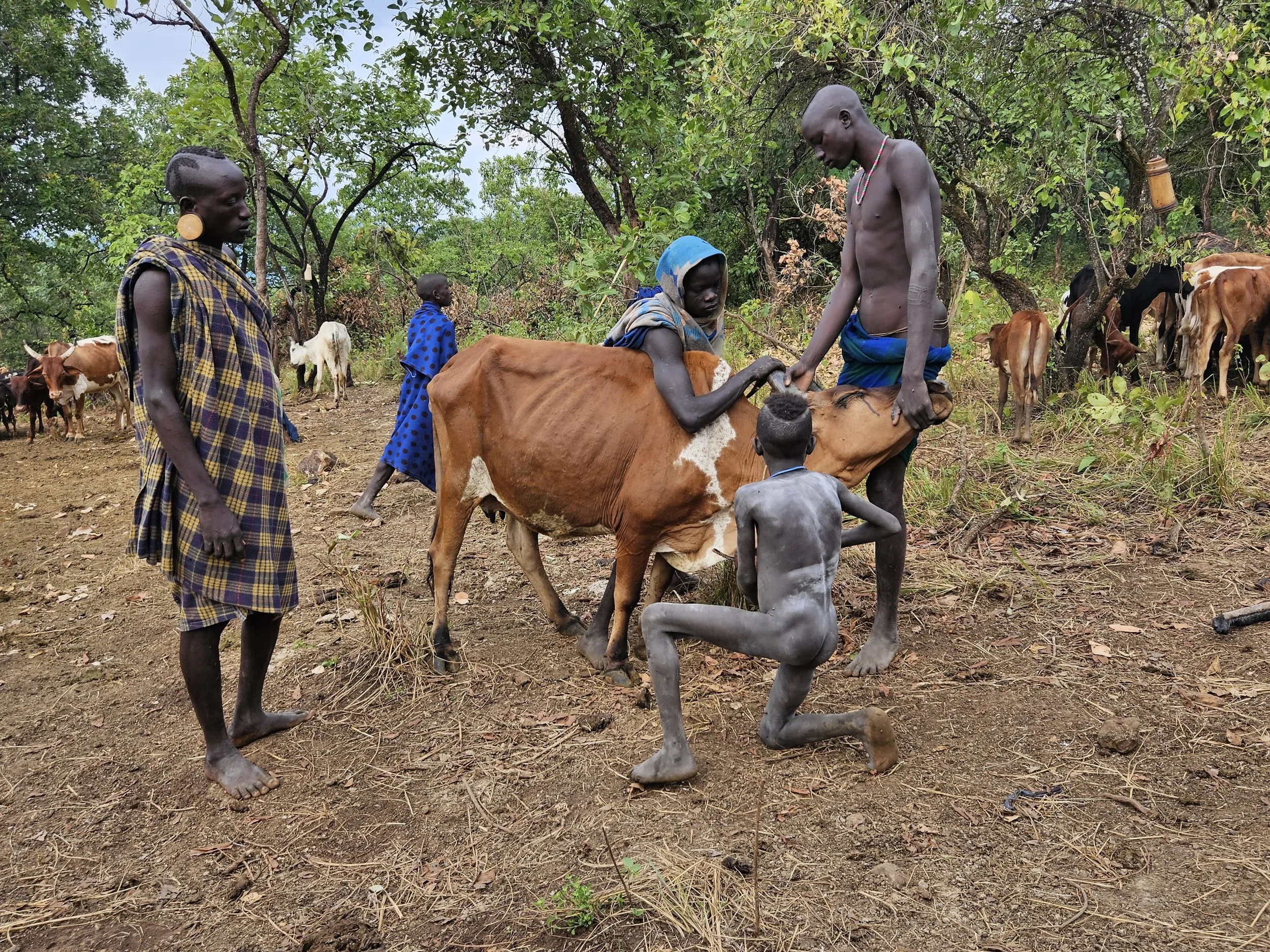
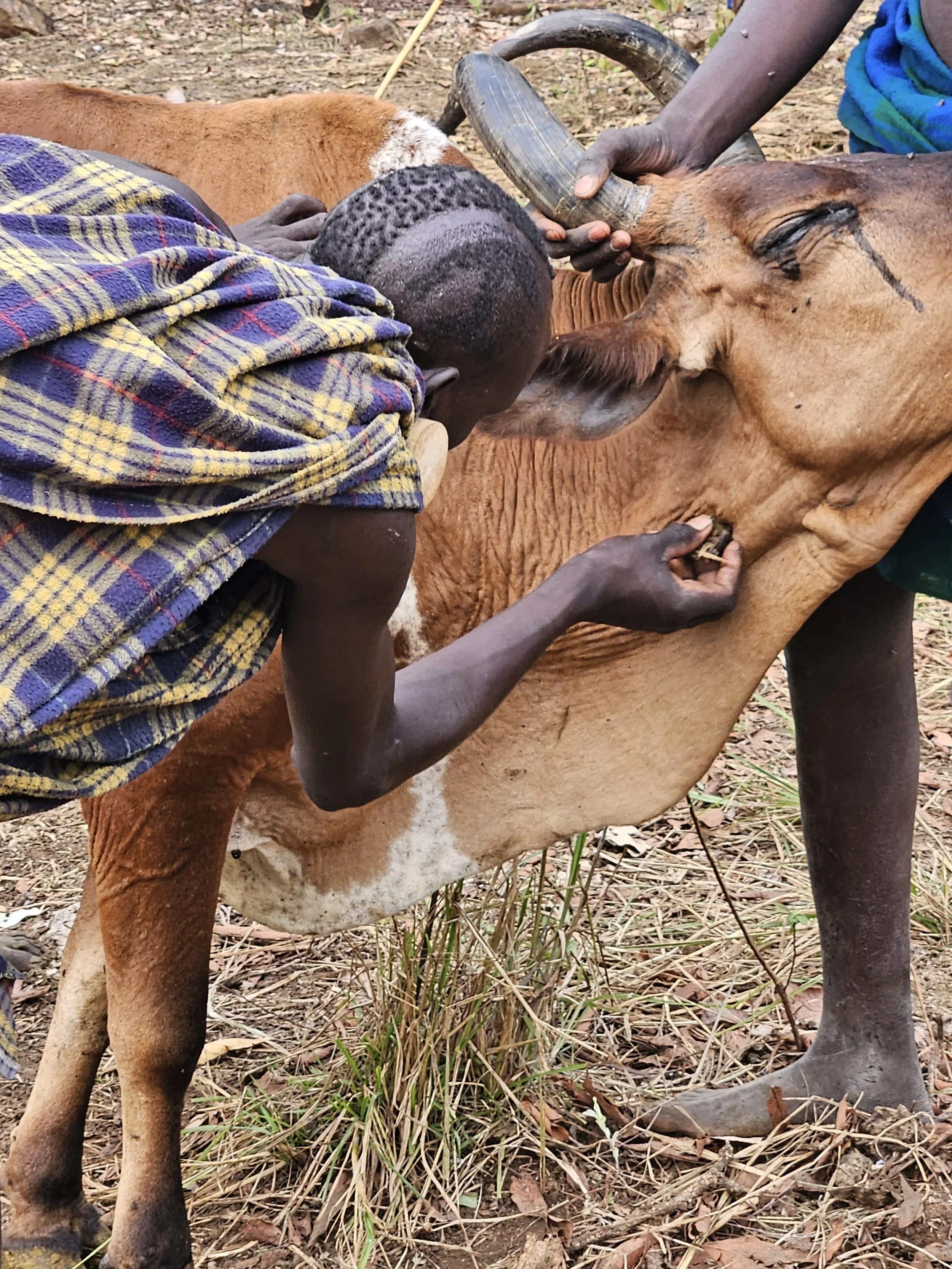
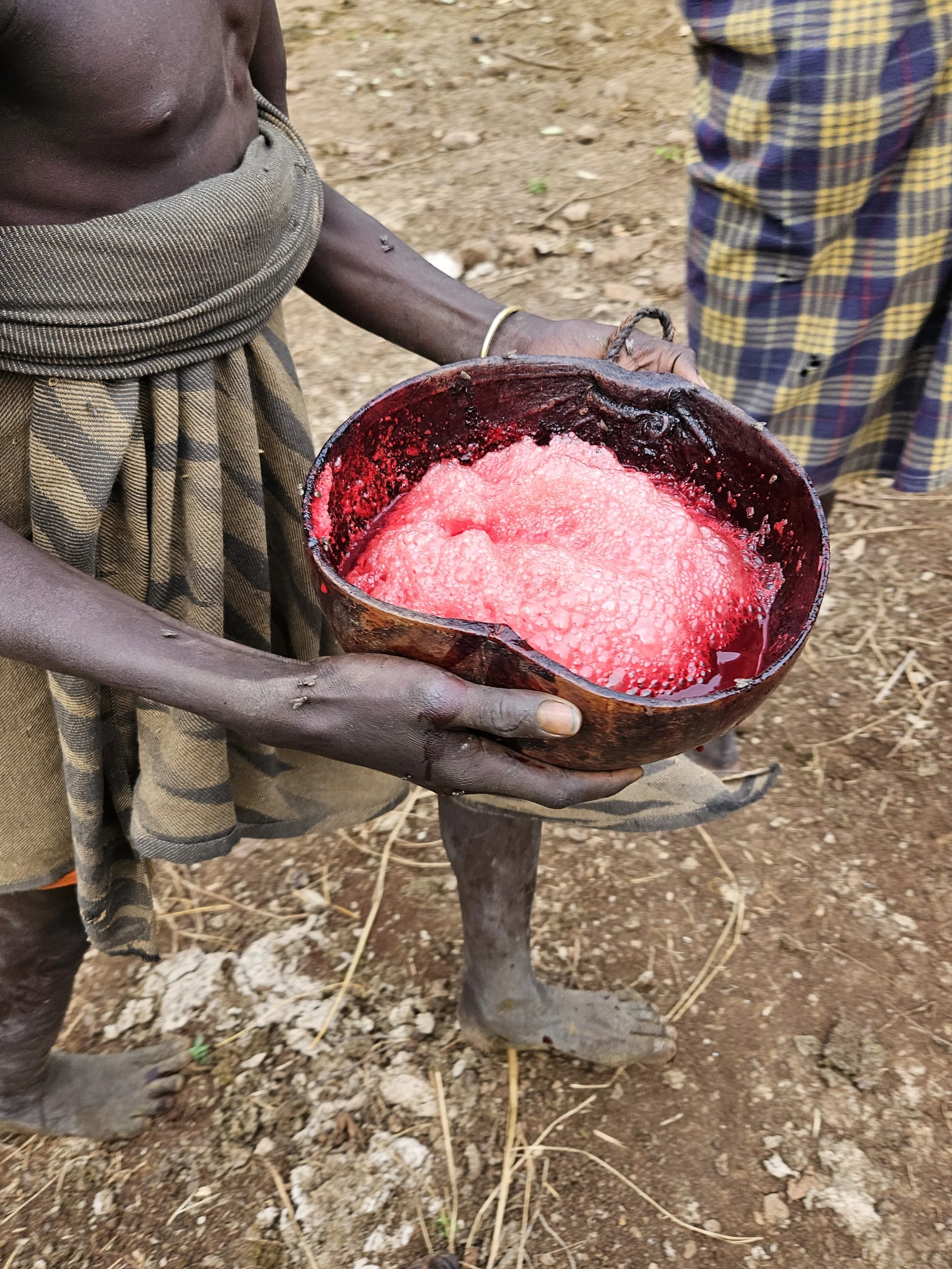
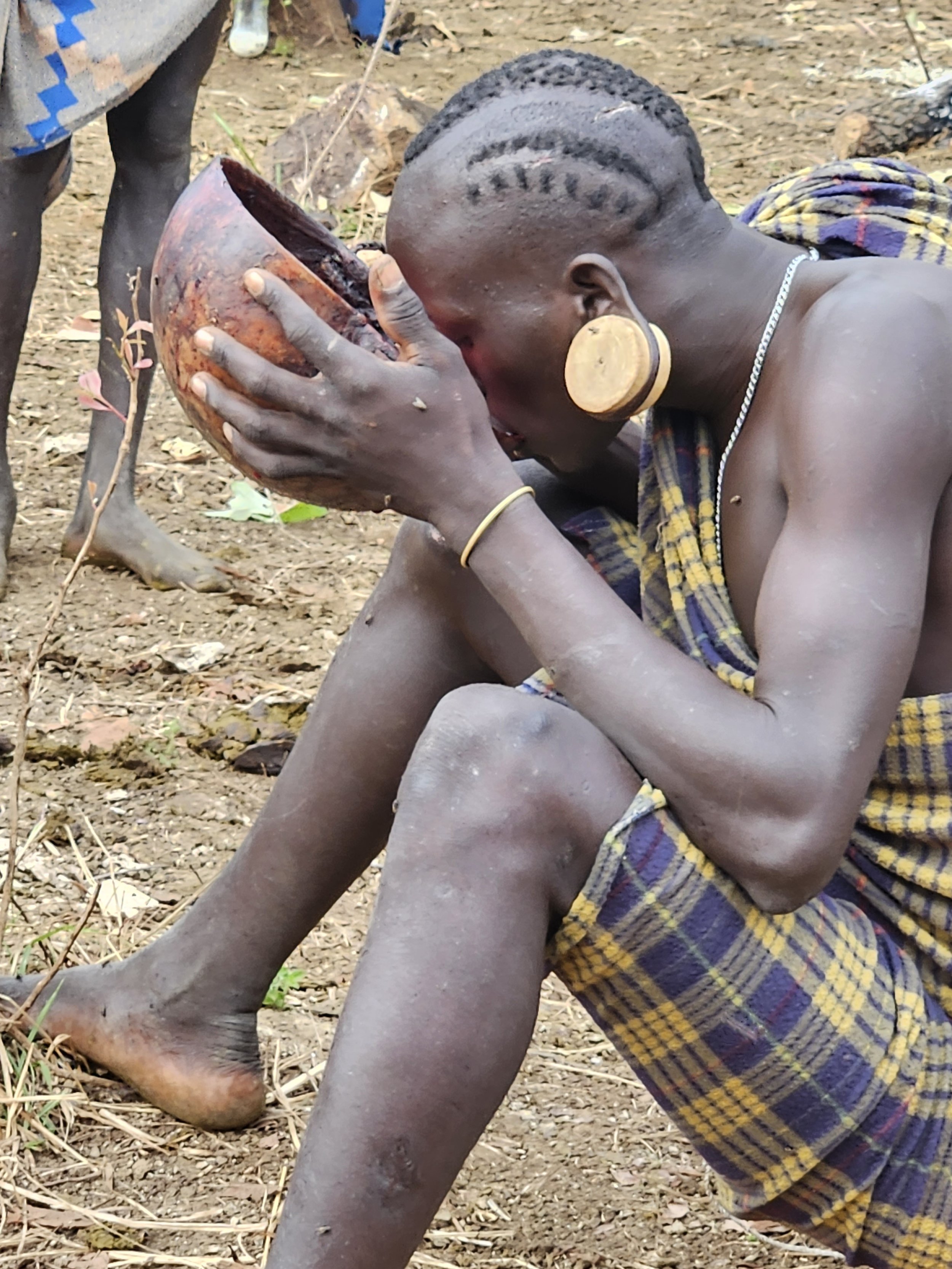
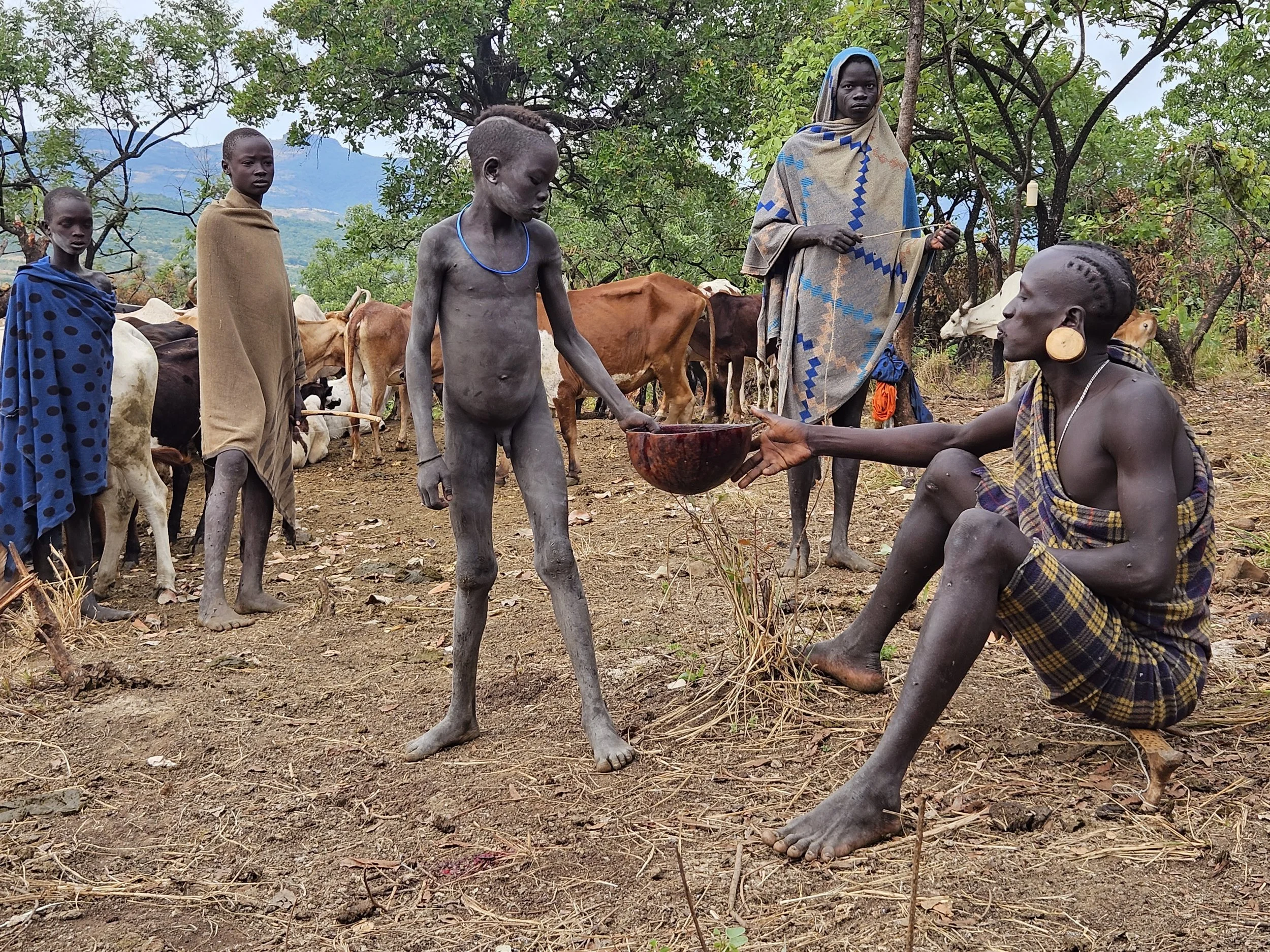
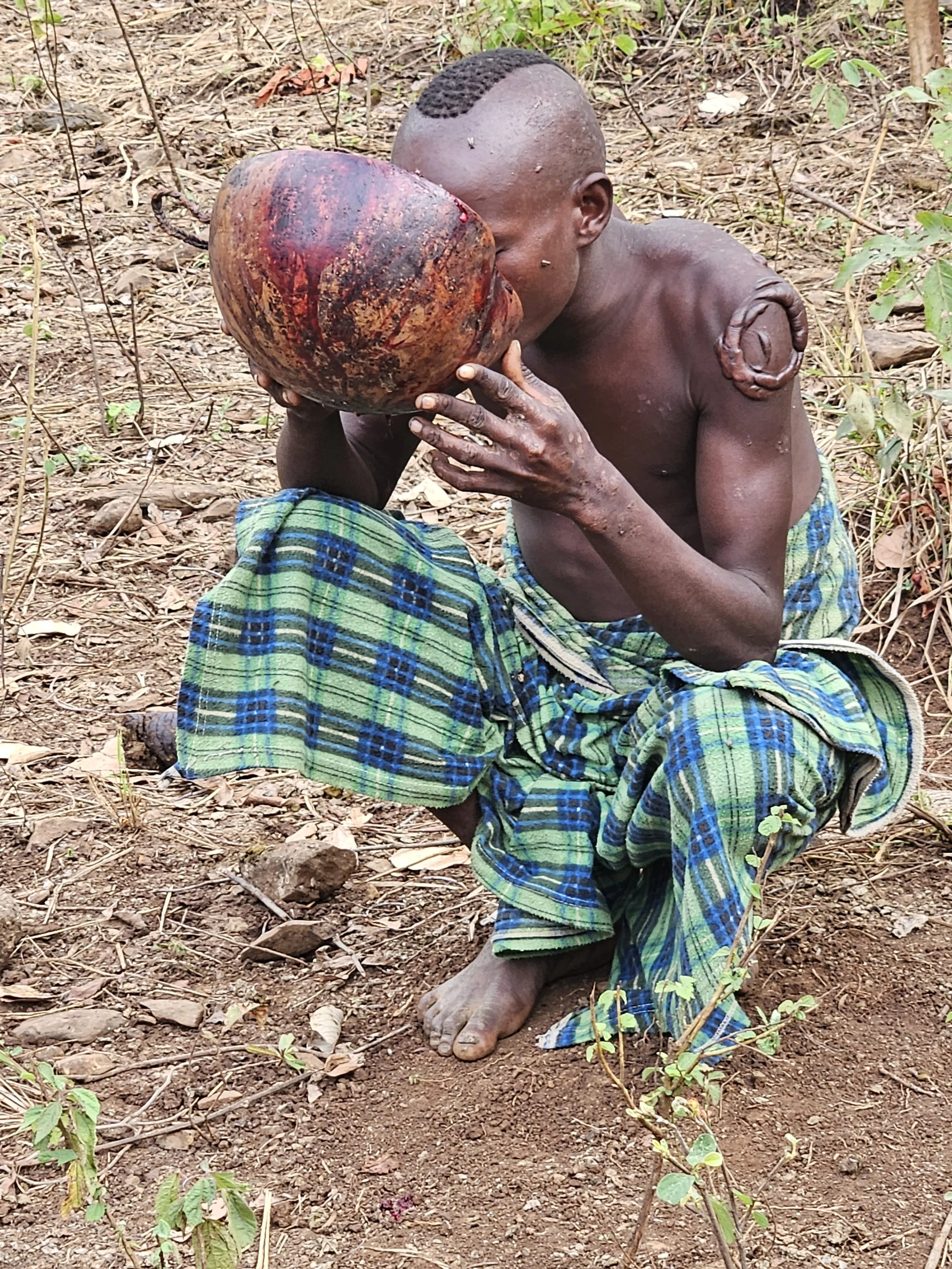
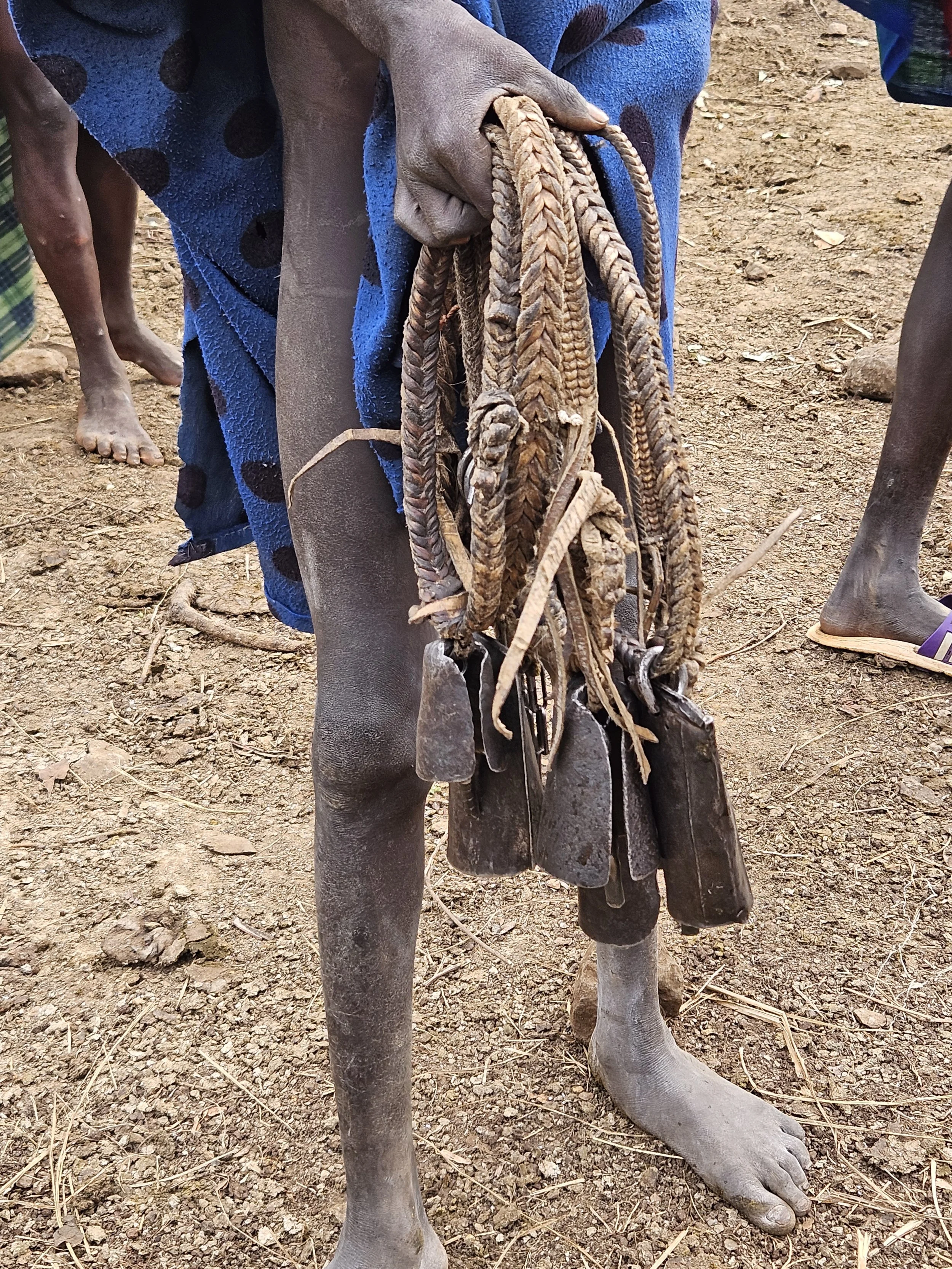
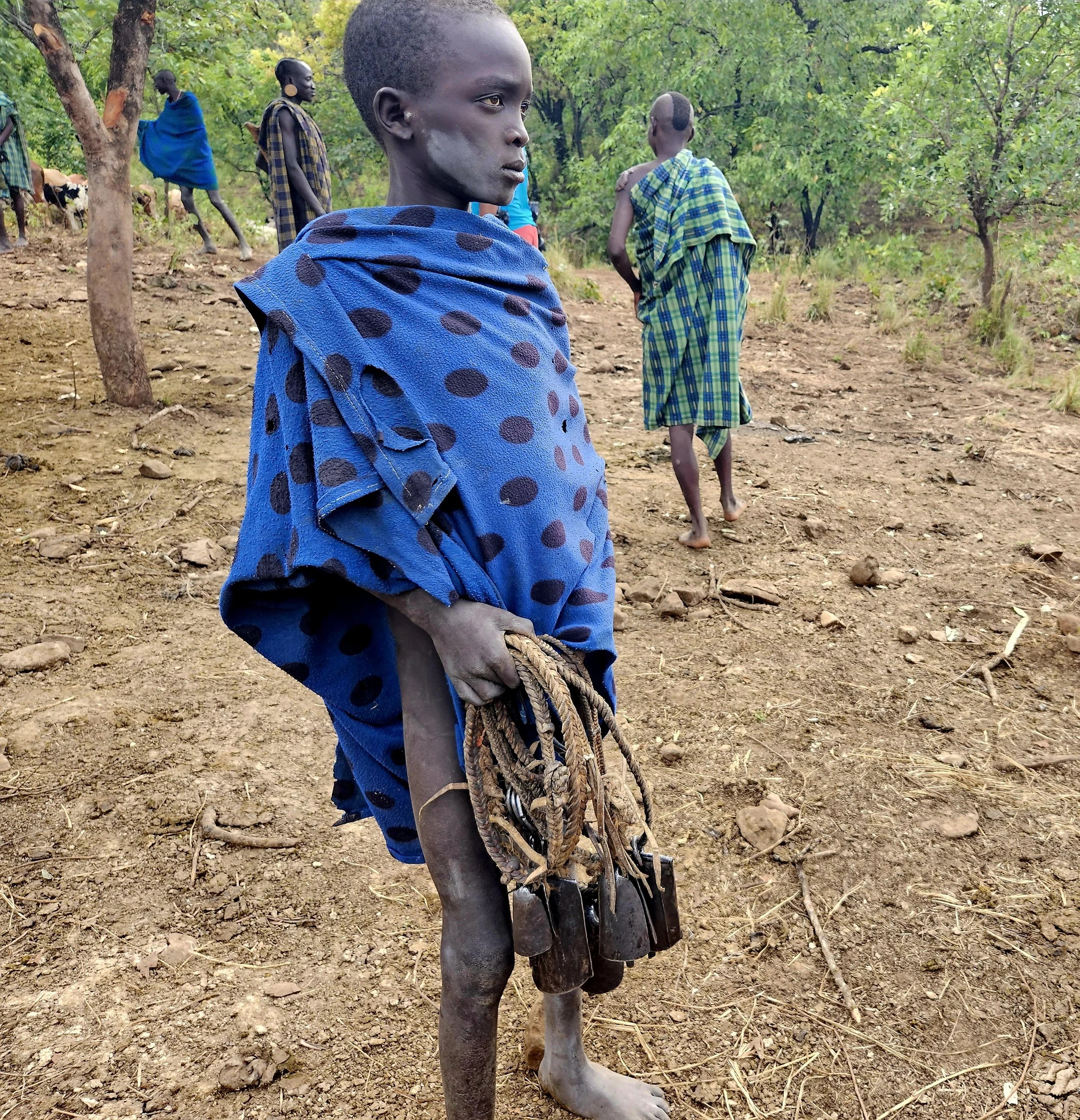
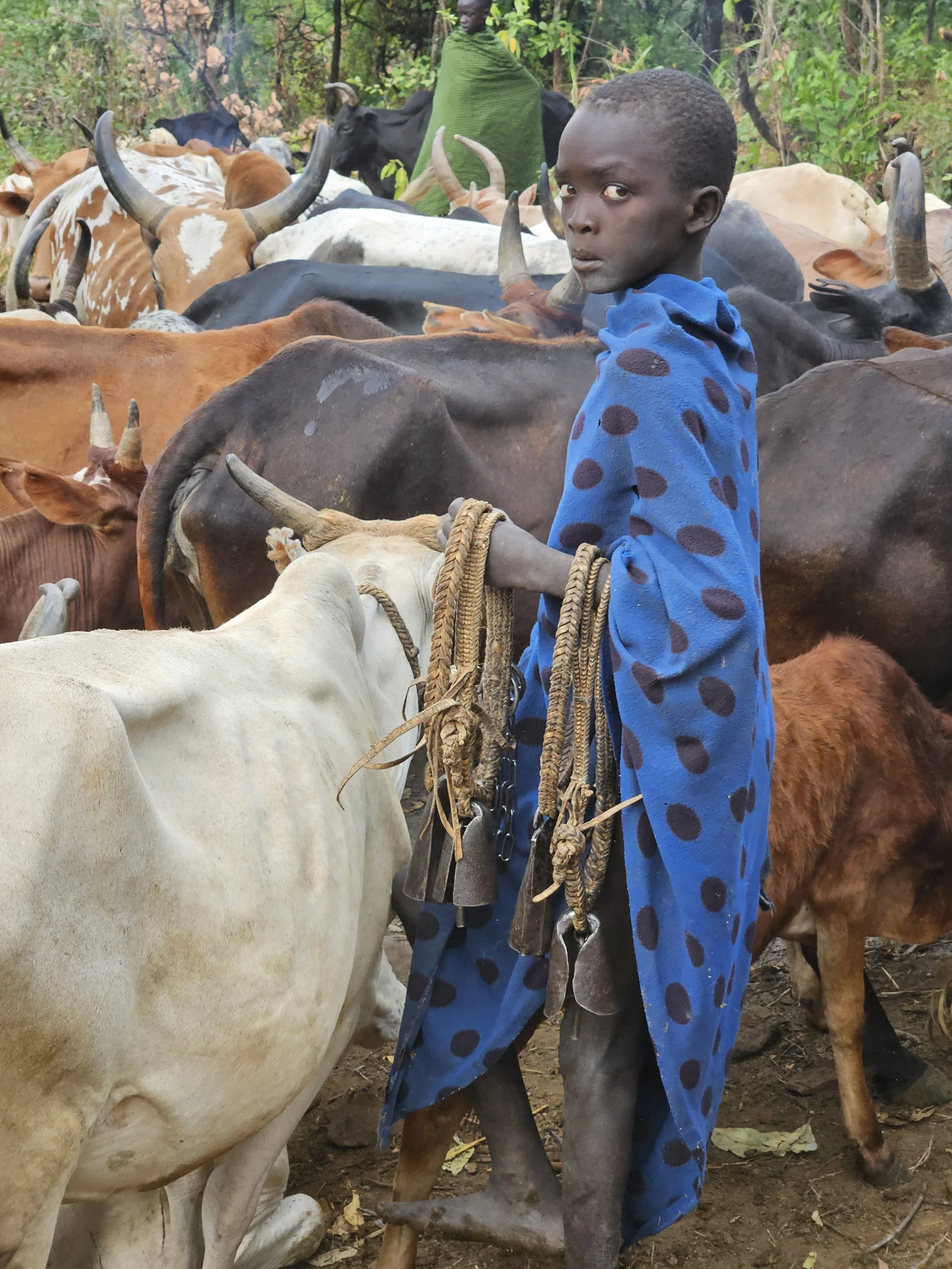
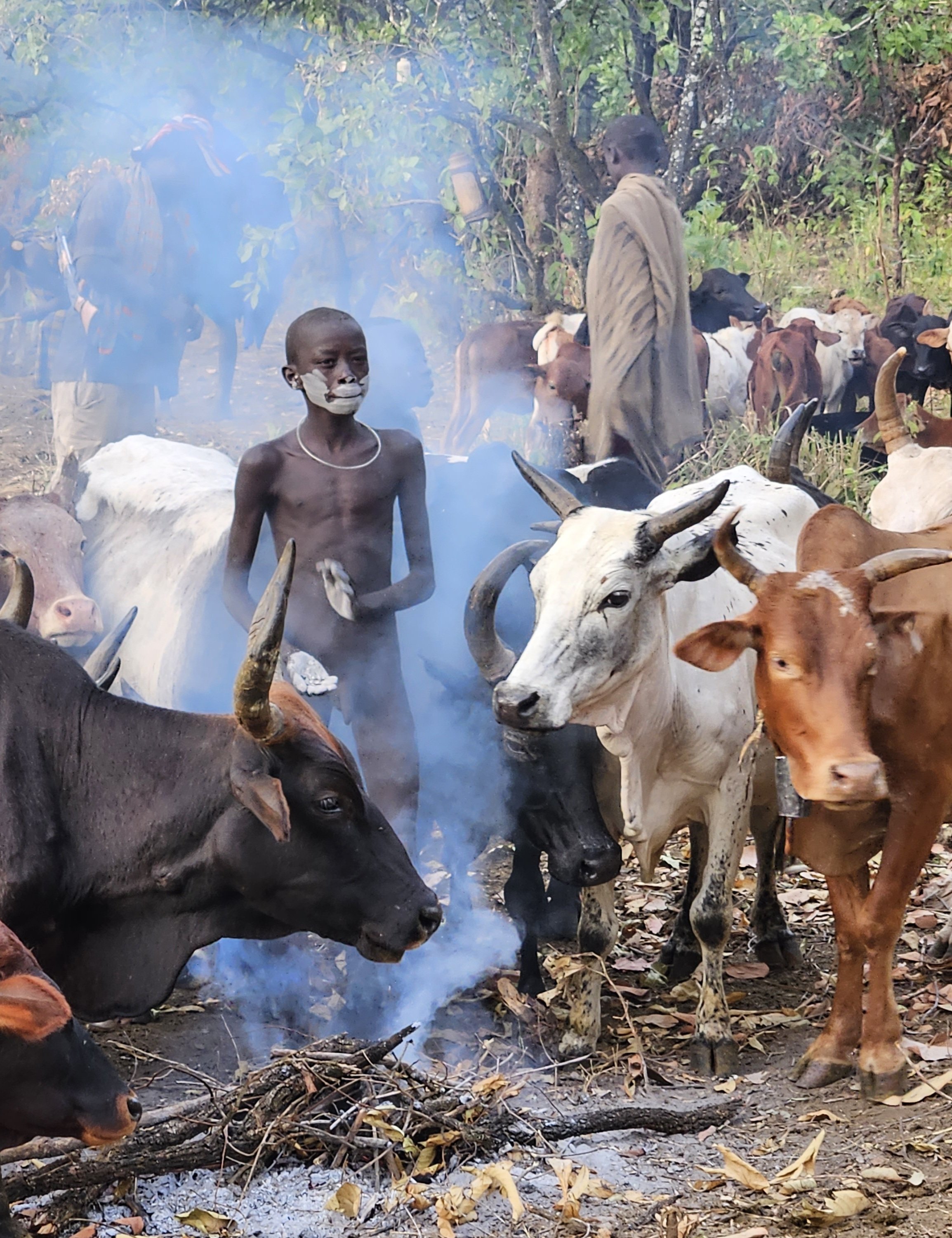
Livestock forms the economic and cultural foundation of their society. A family's wealth and social stature are directly measured by the number of animals they own. Cattle are rarely consumed for meat; instead, they provide milk and blood, which are primary dietary staples.
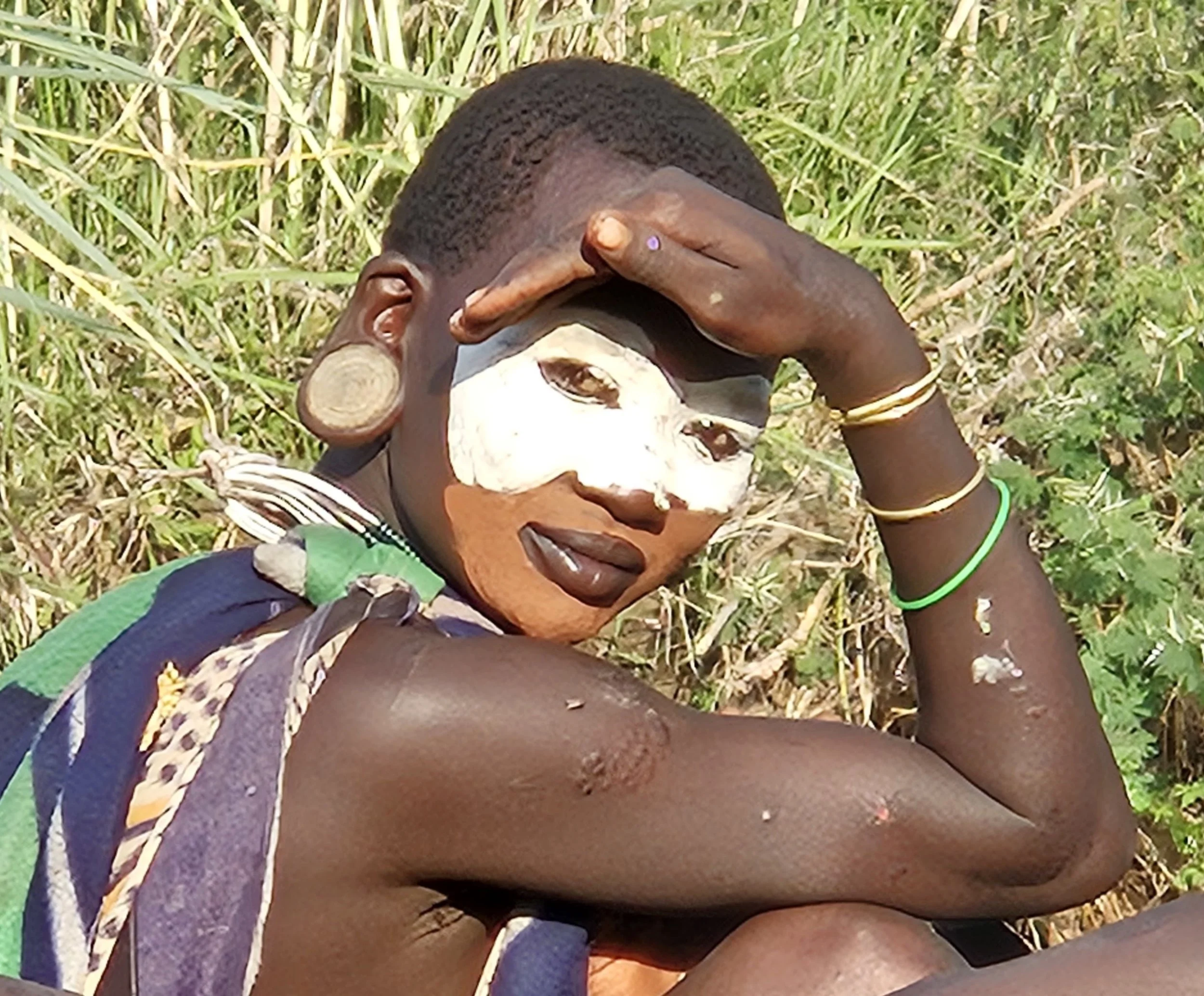
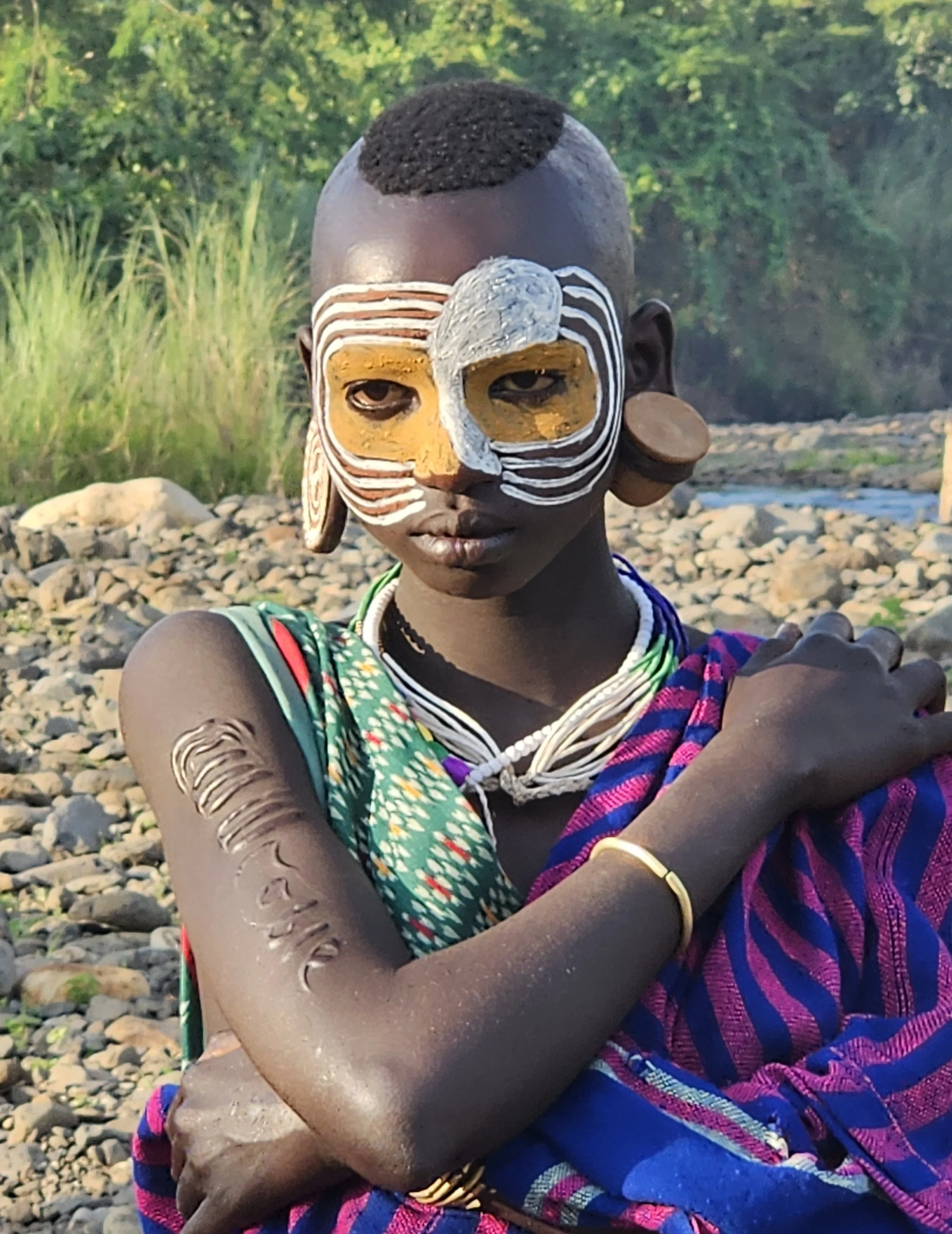
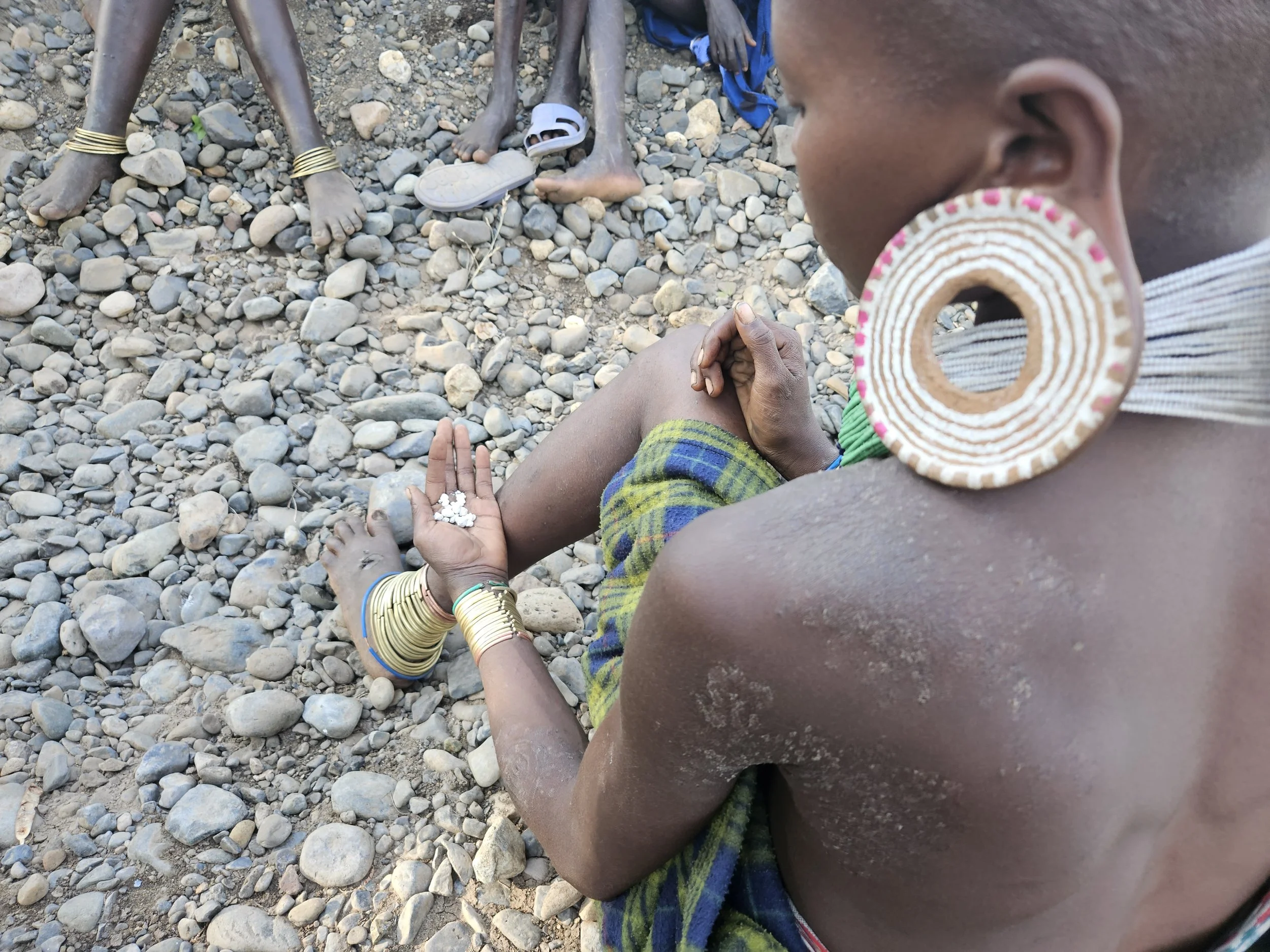
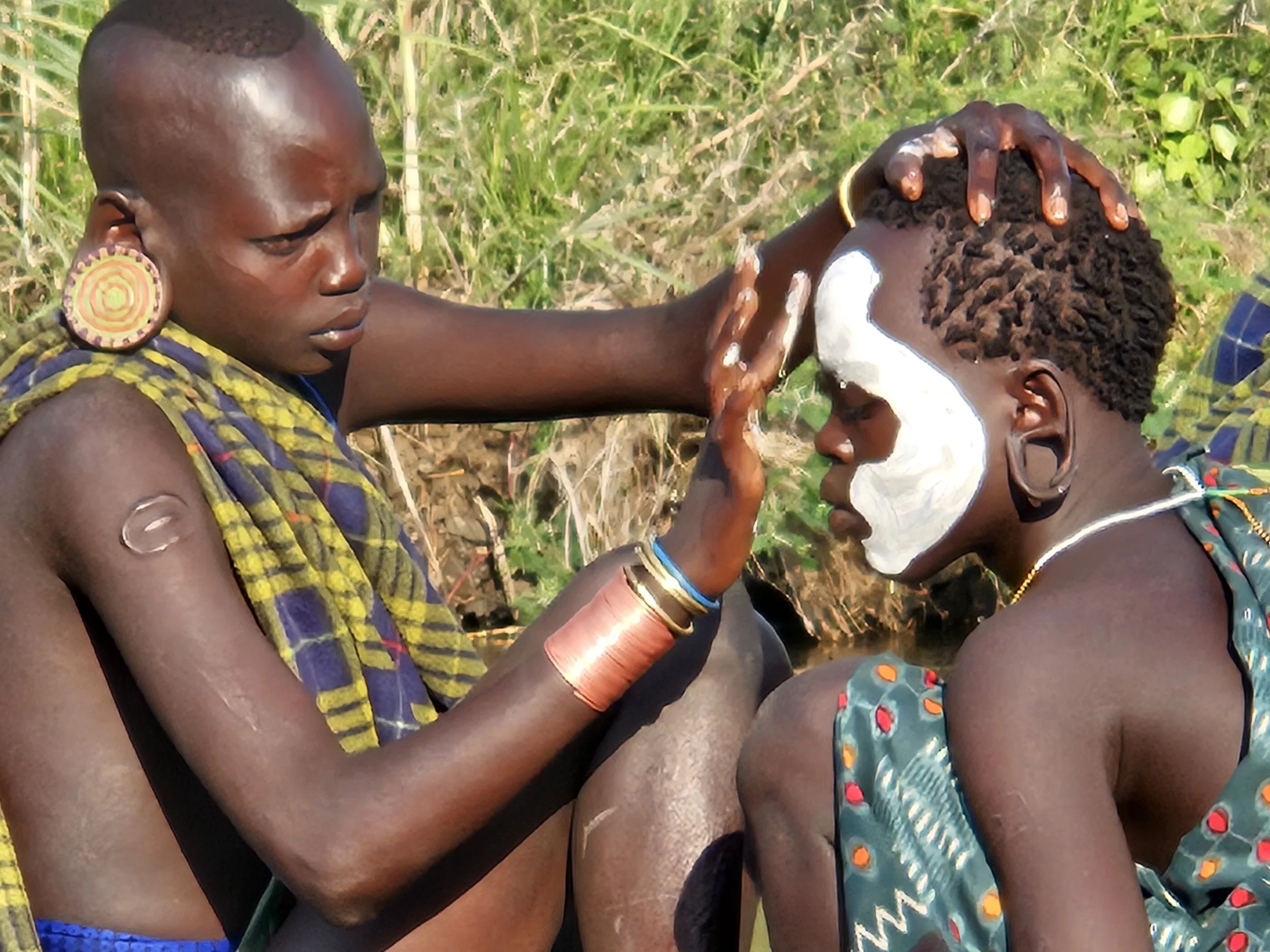
Similar to their closely-allied neighbors across the river on the East Bank (Lower Omo Valley), the Mursi, young Suri women undergo the painful process of piercing and progressively stretching their lower lips to fit large clay or wooden plates. Historically used as a deterrent against slave traders, it has evolved into a prominent symbol of beauty, cultural pride, and maturity. The size of the plate often correlates with the dowry of cattle a groom must pay.
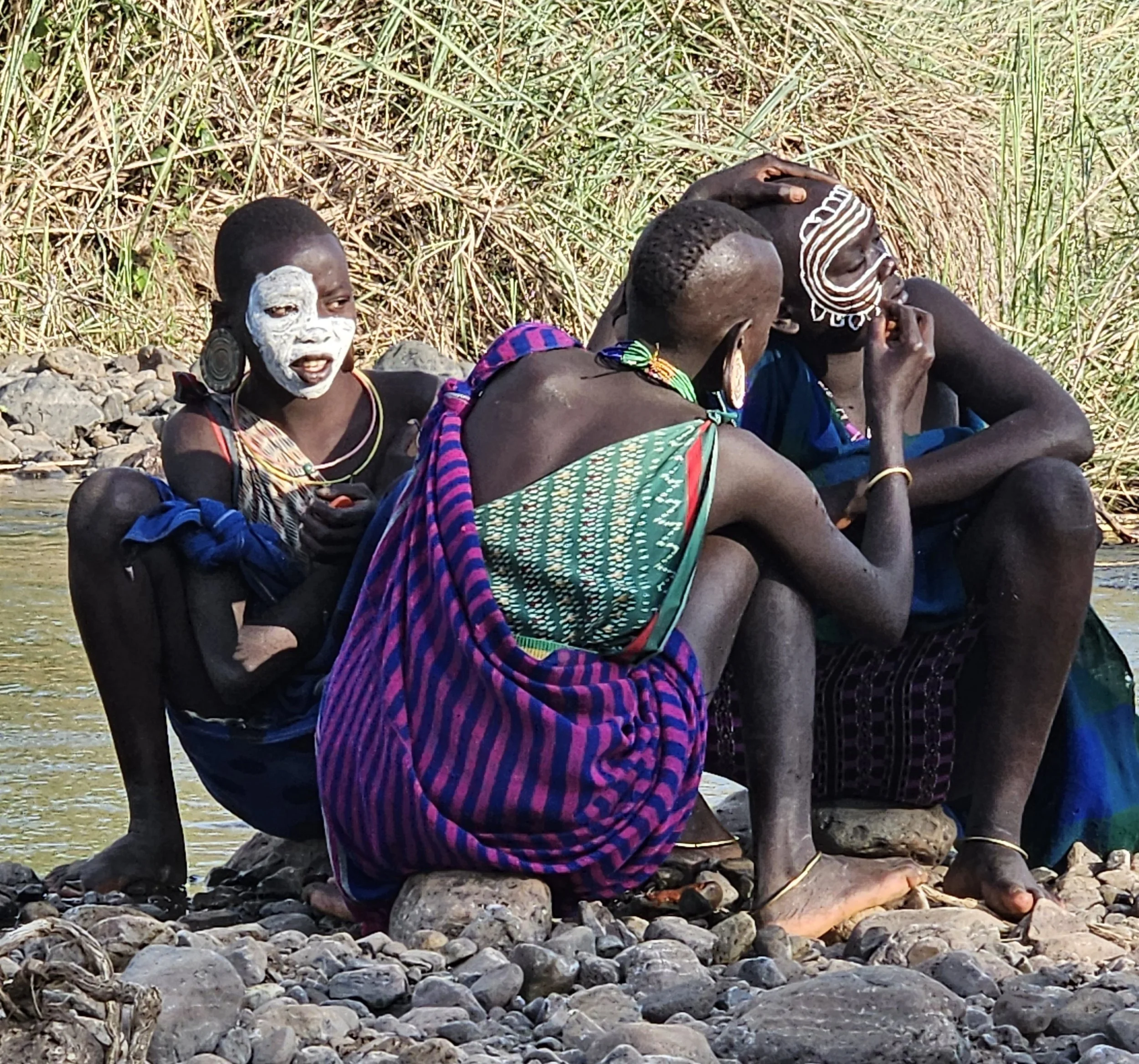
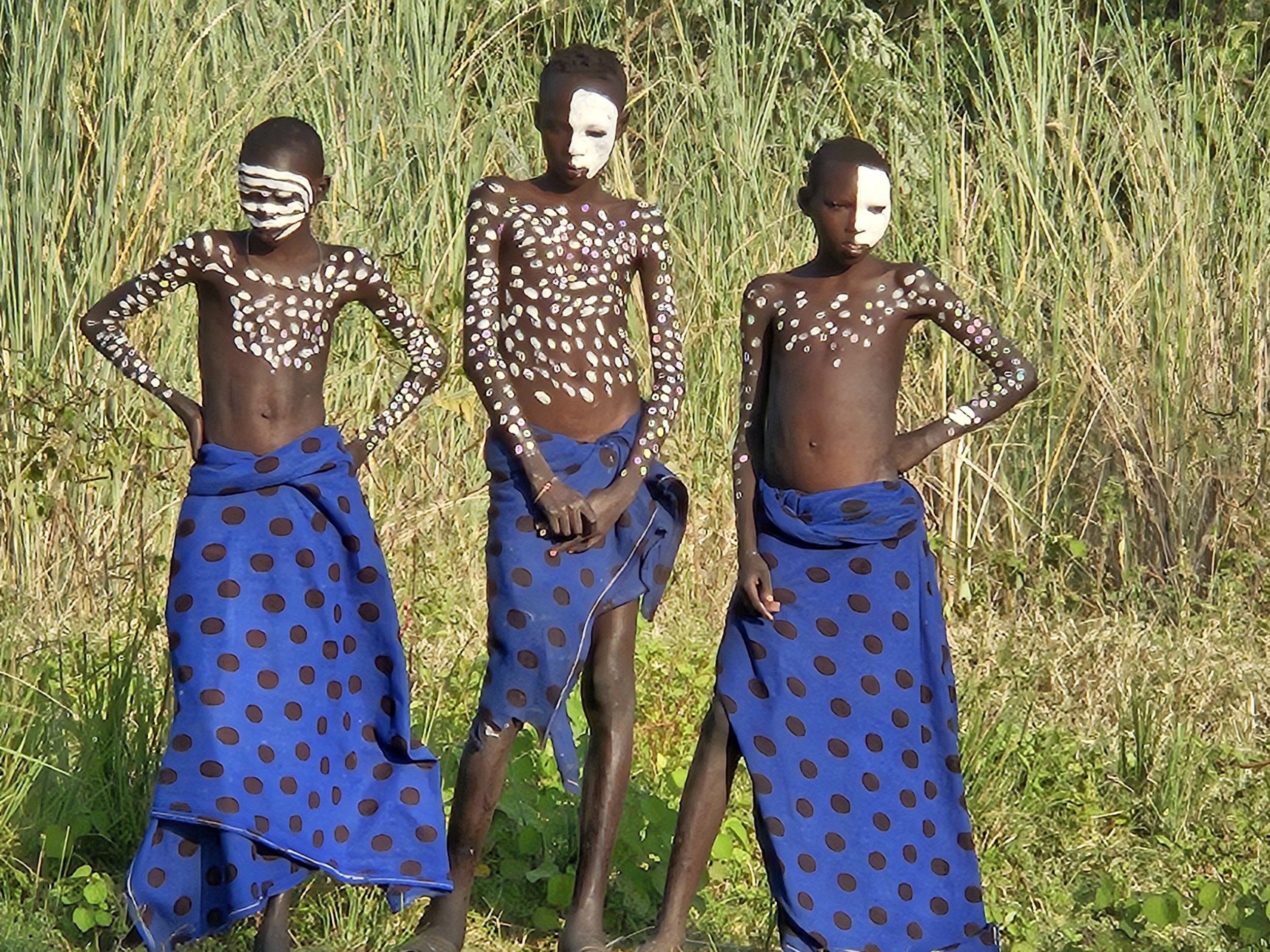
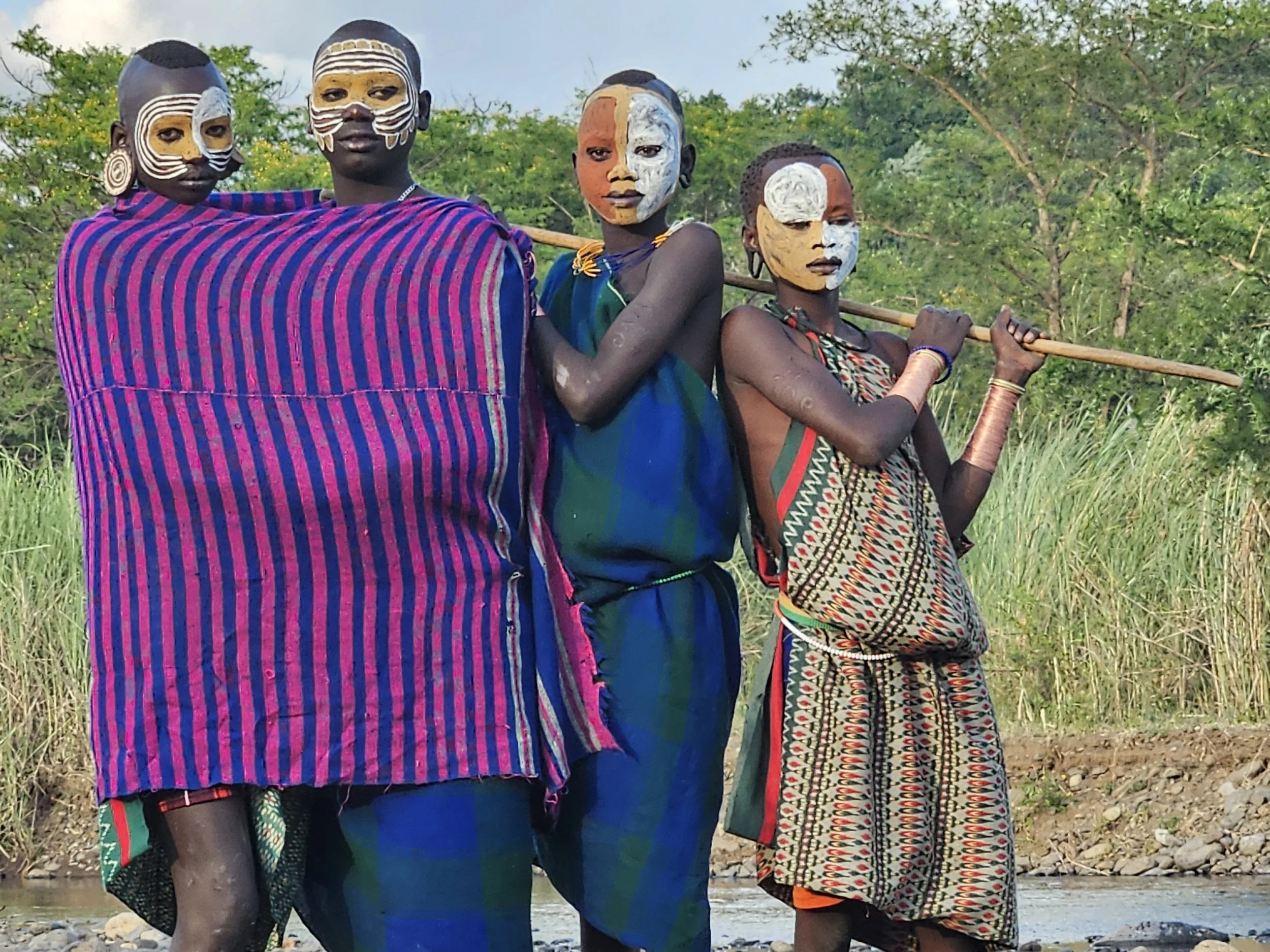
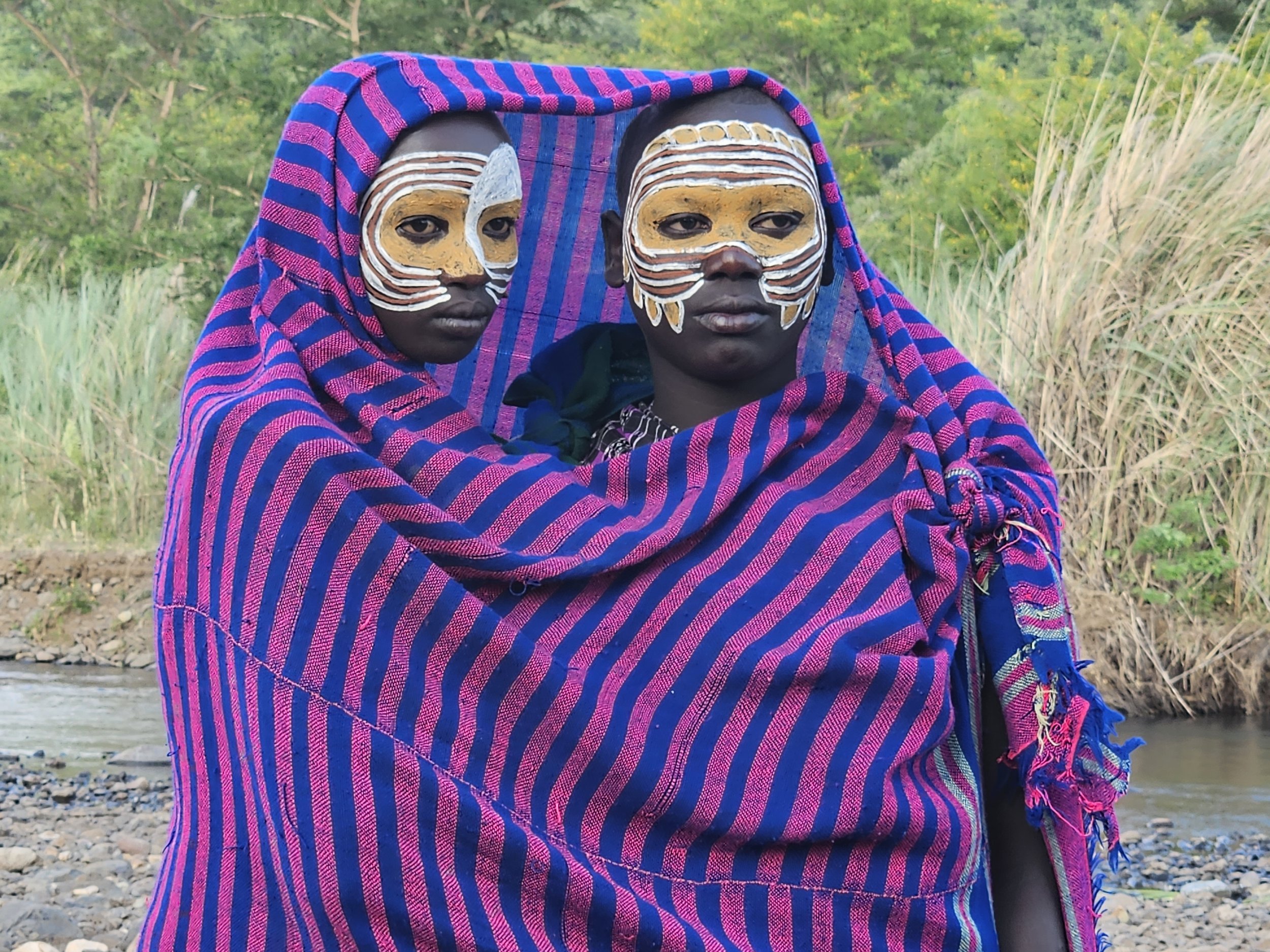
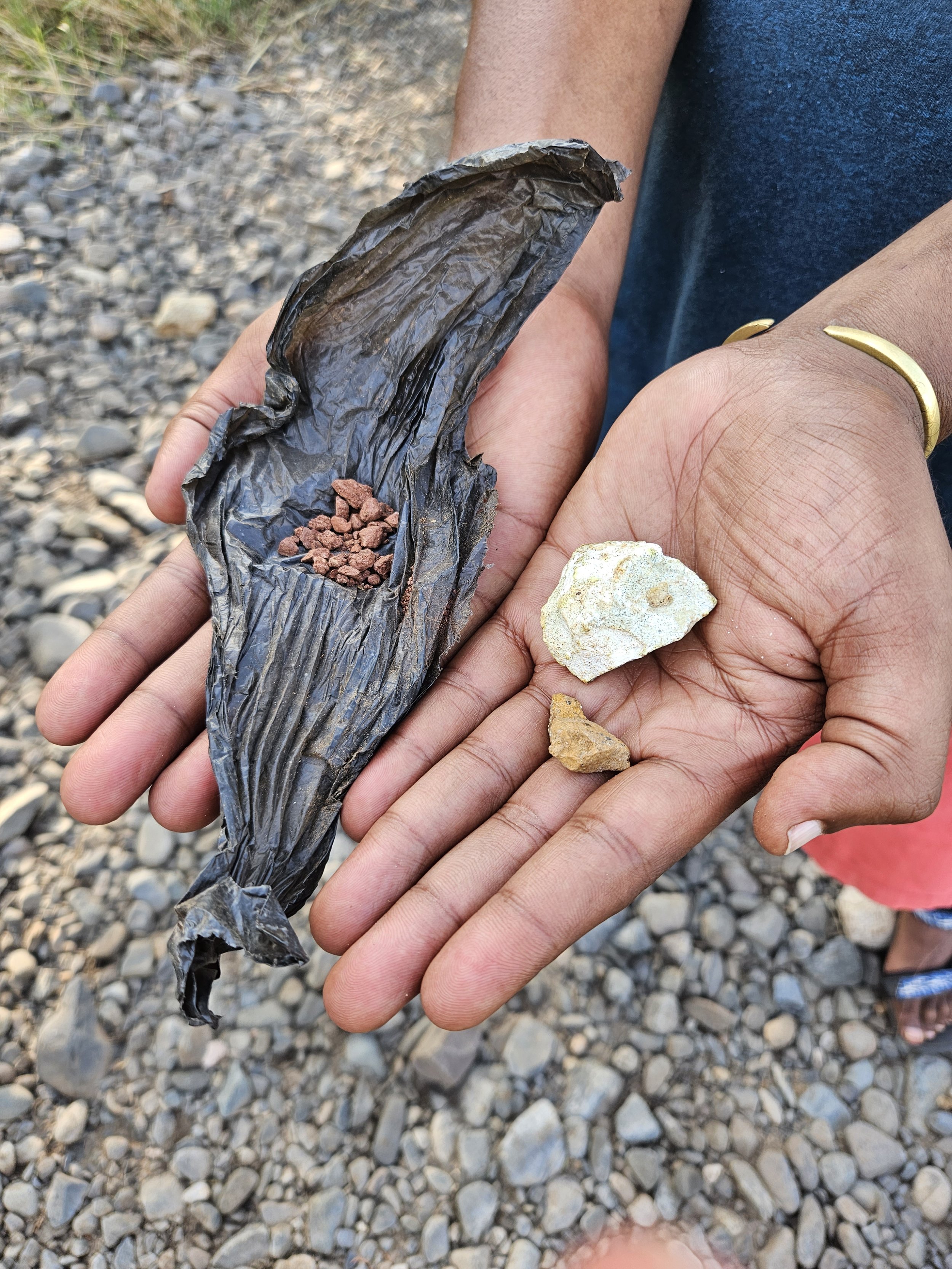
Using natural pigments derived from clay, soil, and plants, the Suri use their bodies as a canvas for elaborate, abstract skin paintings. They also practice decorative scarification—incising patterns into the skin—as a visible marker of endurance, bravery, and aesthetics.
A core rite of passage for Suri men, Donga (or saginé), is a fierce martial art and both a popular and ritual sport involving long wooden poles. These violent duels serve as a proving ground for young warriors to demonstrate courage, settle inter-communal disputes, and win the admiration of potential brides.