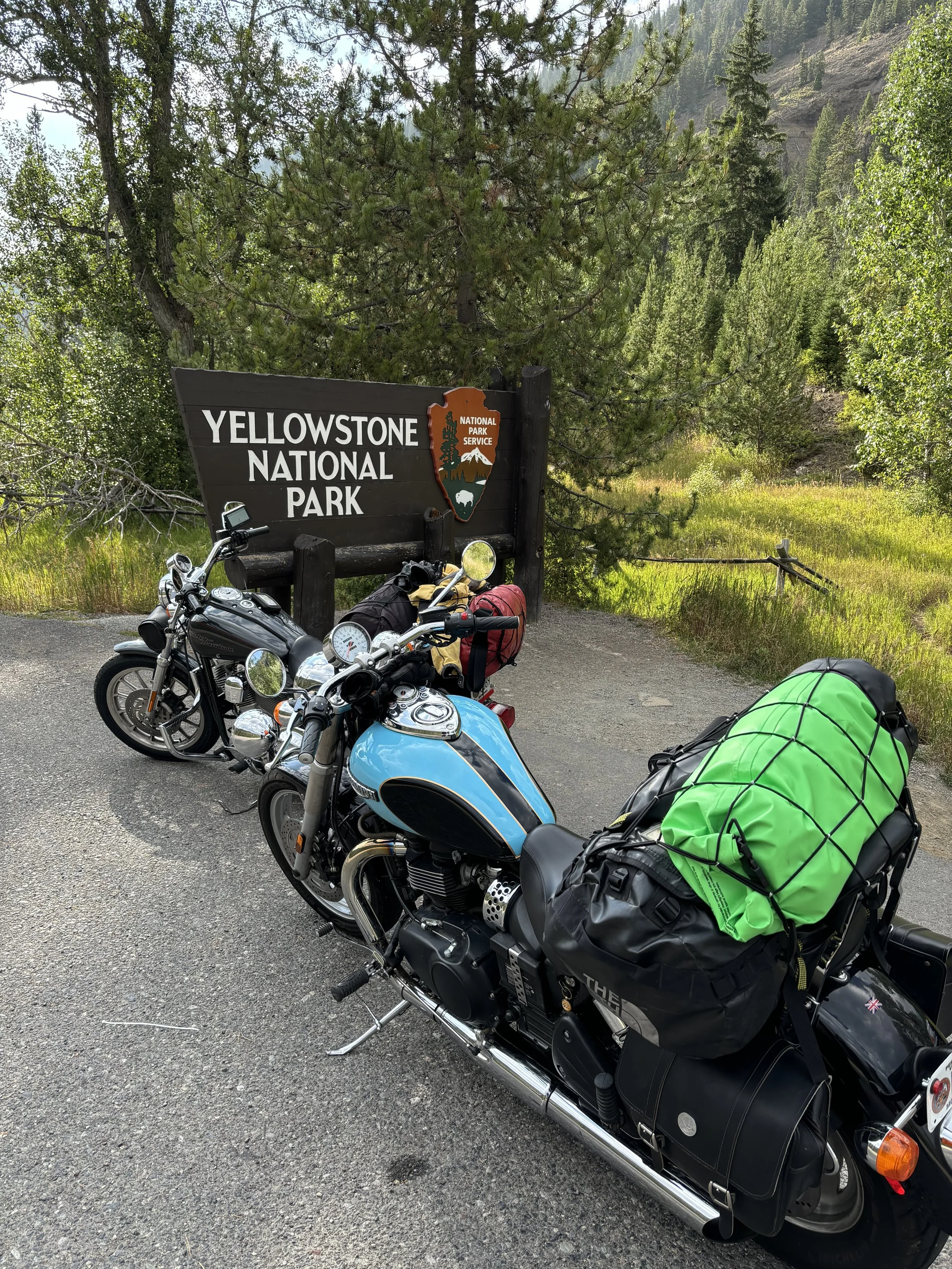
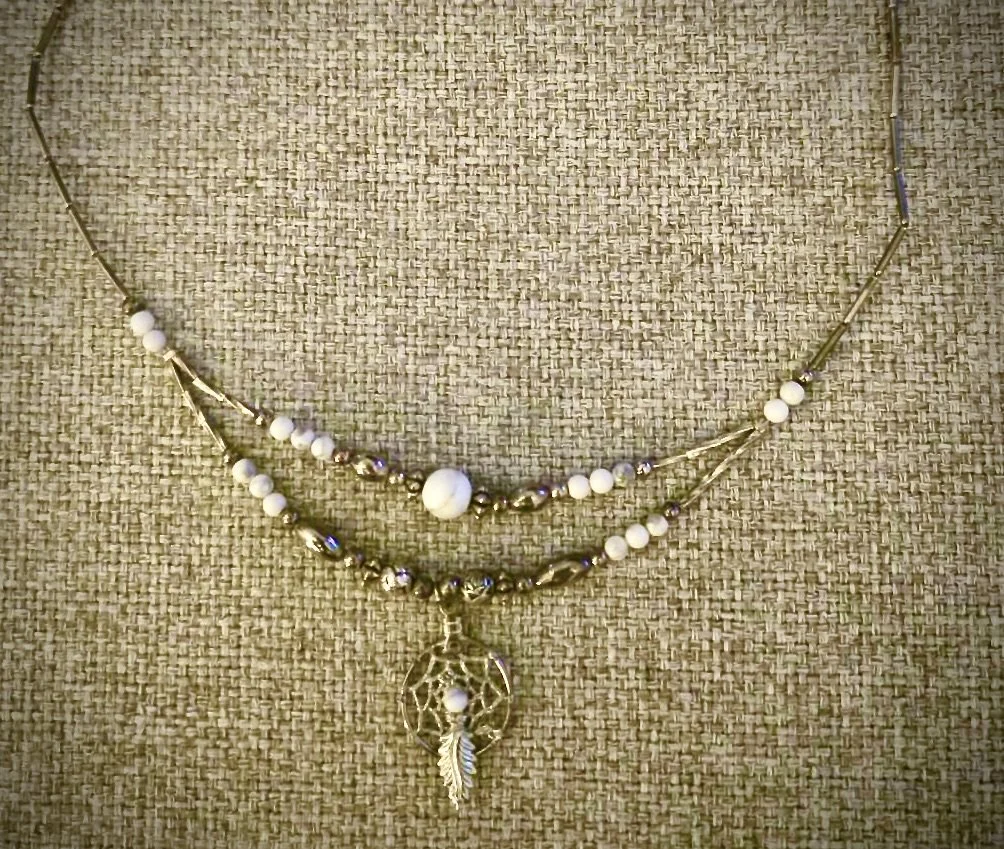
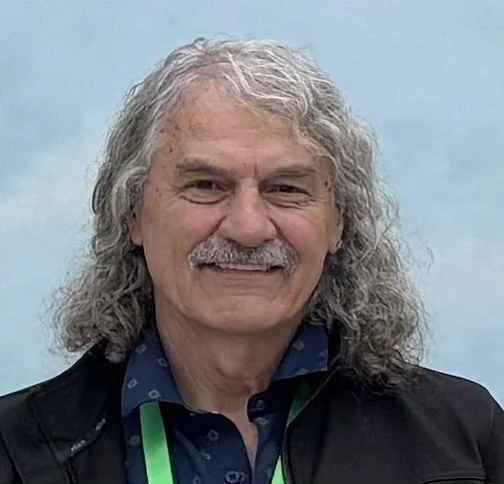
As the dust settled around and on the Black Pearl, I looked closer at the four people sitting on a blanket by the side of the road in the Black Hills. It was odd they were by themselves, with only a hand-scrawled message on the broken white Styrofoam cooler by the road’s edge:“Items for sale.” The sound of the now silent Harley was still reverberating in my ears as I pulled off my gloves, then my helmet, and I lowered my goggles to take a closer look. A young man sat quietly with two small girls on the colorful blanket. There was no car or truck, only the blanket, the broken cooler sign, the three young people and a very dark-skinned, white haired, elderly woman. She wore blue bib overalls and a beautiful red and turquoise blouse, a big straw hat and no shoes. There were three “items” spread before her on the blanket: a rusty wrench, a black thick-framed pair of reading glasses and a necklace. This odd combination of “items for sale” led me to ask, first of all, where they lived, and second, “How long have you been out here?” They said they lived “over that way,” gesturing to the west. I was looking into the setting sun and could see nothing in the direction they pointed, not even a driveway or a trail. It was open grassland and scattered ponderosa pine as far as I could see. Their second answer informed me they had been there for about an hour, stopping off “on their way home,” the young man said. I was the only person who had stopped. I was traveling pretty light on the Black Pearl, or I would have offered to buy the wrench and the reading glasses, too, but I only inquired about the price for the necklace, thinking it would be a nice gift for my granddaughter Marley Jo, back in Montana. Her birthday was coming up soon. The lady hesitated, and before she could speak the young man spoke up and said, “Whatever you want to give, mister.” I was kind of surprised by that answer, and then I realized I had very little cash on me. My gas and food were mostly paid for with a debit card and hard cash usually lasted a long time in my wallet, but this time, when I opened it, I only found $7. There were another four quarters in my pocket. When the young man saw what I had in my hands, he hollered, “Sold.” He took the cash from me quickly, and he handed me the necklace. The woman hesitated and I paused and looked inquiringly into her eyes. I wished I had more in my pocket to give. I didn’t really have anything else in my saddle bags I could give them to sell, either. I thought about giving them back the necklace, but I saw there were no other cars on the lonely highway and it was getting late in the day. If they really needed money, I was maybe their only chance today. They seemed awfully eager for that $8. I took the necklace and stashed it in the saddle bag of the Black Pearl. The lady had risen and had followed me to my motorcycle. She reached out and touched my arm, “Who is it for?” I told her it was for MarleyJo, my daughter’s daughter, who was about to turn 8 years old. She told me to tell Marley that she was glad the necklace was going to a granddaughter. It had been a gift from her own Lakota grandmother all those years ago, when she was very young. Her grandmother had told her that she had found it, under a big ponderosa, there in the Black Hills, along the ruts the wagons had made on their way through their homeland on the way to the gold fields. Her grandmother told her that she had always imagined it had been lost by a little girl a lot like her. Neither the grandmother nor the granddaughter had worn it much, but they had both always treasured it as a symbol of the relationship between a grandparent and a grandchild. She thanked me, touched my arm again, and wished me well on my journey. I got into Rapid City about dark that night, still thinking about the necklace and that family sitting on a blanket in the Black Hills. A month later, back in Missoula, I found the necklace when I was cleaning up my saddle bags from the trip. I messaged Jessie to tell Marley Jo I had “an item” for her in my saddlebag.